Guide to an Ontario BDE Course for New Drivers
A G1 license is an exciting first step, but it does not make the road test feel any less intimidating. The right training gives you more than a faster path to your G2 license. It gives you time behind the wheel, safer habits, and a clear plan for handling real Ottawa traffic. This guide to an Ontario BDE course explains what beginner driver education includes, who benefits most, and how to choose training that prepares you for more than a single test day.
What an Ontario BDE Course Includes
BDE stands for Beginner Driver Education. An approved Ontario BDE course is designed to teach the knowledge, judgment, and practical skills a new driver needs before taking the G2 road test.
A complete program generally includes 20 hours of classroom or digital instruction, 10 hours of in-car training with a qualified instructor, and 10 hours of flexible instruction. Flexible instruction may include guided activities, homework, simulations, or other school-approved learning methods. The exact delivery can vary by school, but the full course must meet provincial requirements to be recognized as BDE training.
The online portion covers much more than road signs. You should learn how to manage speed, identify hazards early, share the road with cyclists and pedestrians, make safe decisions at intersections, and understand the risks of distraction, fatigue, and impairment. These subjects matter because road tests assess your decisions, not just whether you can steer and park.
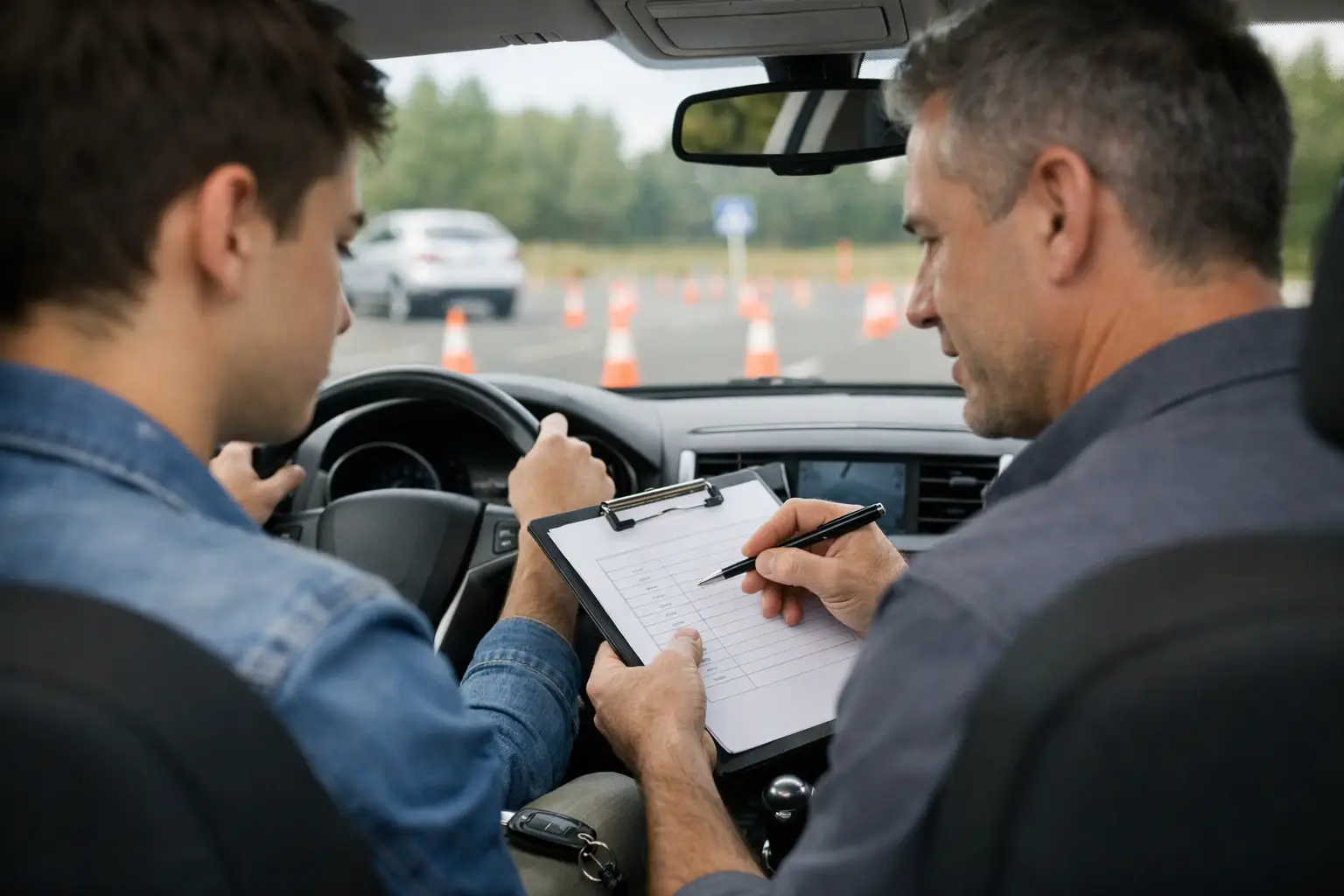
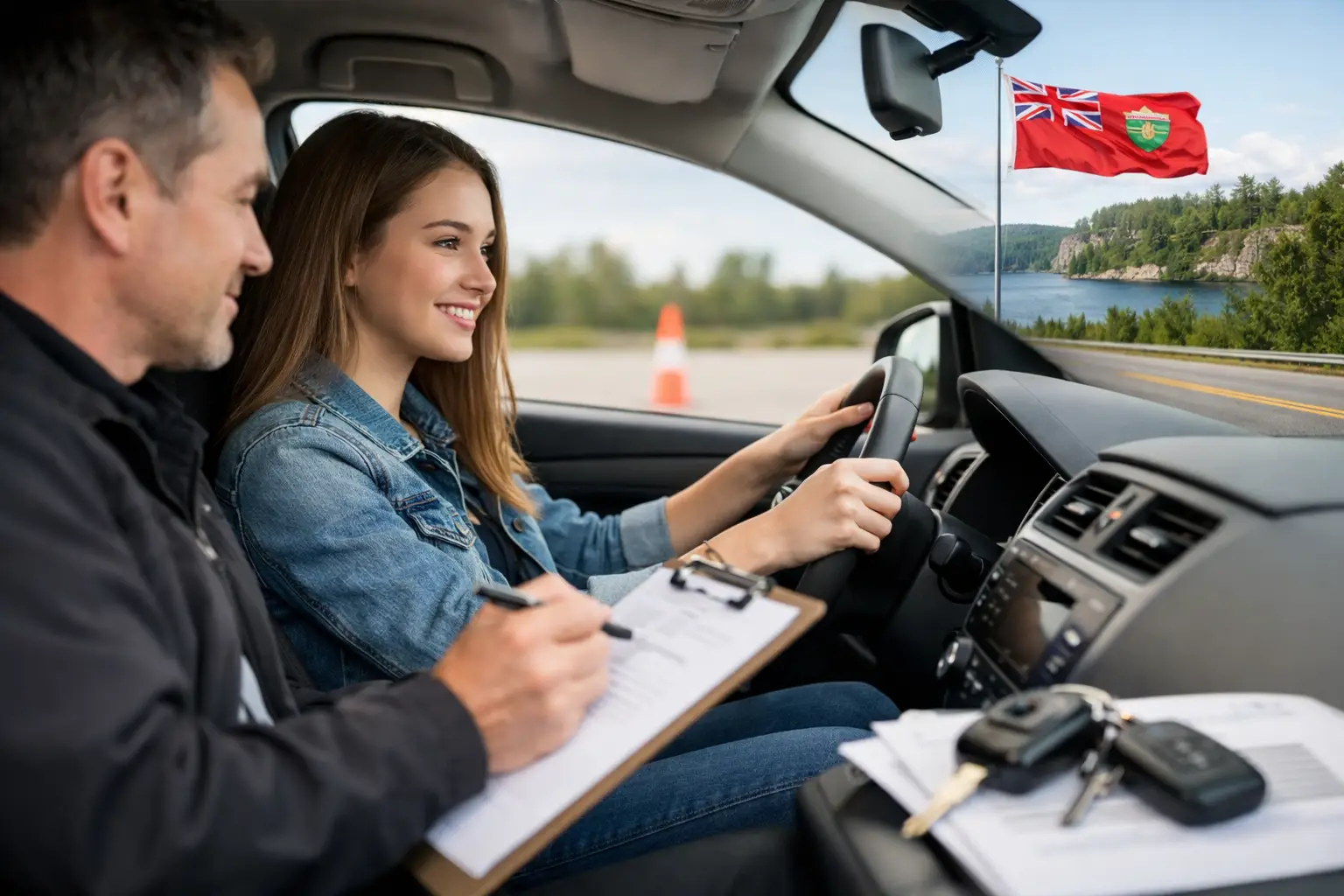
In-car lessons are where that knowledge becomes practical. A patient instructor helps you build the habits that new drivers often struggle with: checking mirrors consistently, scanning far ahead, making smooth turns, choosing safe gaps, and maintaining control when traffic feels busy. Lessons should progress at a pace that fits your starting point. Someone who has never driven needs a different plan than a learner who has already practiced regularly with family.
Why BDE Training Can Shorten Your G2 Wait
For most new drivers, the wait between getting a G1 and taking the G2 test is 12 months. Completing a ministry-approved BDE program can reduce that wait to eight months, provided you meet all other licensing requirements.
That four-month difference is valuable, especially for students, newcomers, and busy adults who need more independence for school, work, or family responsibilities. But the shorter wait should not be the only reason to enroll. Rushing to a road test before you can drive safely and consistently can lead to a failed attempt, extra fees, and more stress.
The better approach is to use the reduced wait as extra flexibility. Complete your course early, practice between lessons, and schedule your test when your instructor sees that your skills are reliable. A first-attempt pass is not about luck. It comes from building a strong routine before test day.
To receive the wait-time benefit, your training must be completed through an approved provider and properly reported. Ask the school how completion is recorded and when you should expect the course to appear on your driving record. Clear answers upfront can prevent unpleasant surprises when you are ready to book your G2 test.
Is an Online BDE Course Right for You?
Digital learning works well for many learners because it removes the pressure of fixed classroom times. You can complete lessons around work shifts, school assignments, or family obligations. You can also revisit sections that need more attention, such as right-of-way rules or safe following distance.
However, online learning requires consistency. Watching modules quickly just to finish them can leave gaps that show up during an in-car lesson. Give yourself time to absorb the material, take notes on concepts that feel confusing, and ask questions when you meet with your instructor.
An online BDE course is especially useful if you want flexibility but still need structure. Look for a program with clear progress tracking, straightforward instructions, and accessible support. The digital portion should fit naturally with your driving lessons instead of feeling like a separate box to check.
How to Choose the Right Driving School
Not every course offers the same learning experience. Provincial approval is essential, but it is only the starting point. The instructor, lesson structure, vehicle, scheduling options, and preparation for local road conditions can make a major difference in how confident you feel.
Start by asking how in-car lessons are personalized. A good school should assess your current ability and focus on the skills that need the most work. If parallel parking is your concern, you need repeated guided practice. If merging or left turns at busy intersections make you nervous, your lessons should include those situations rather than avoiding them.
For Ottawa learners, local familiarity is a real advantage. Road tests can include residential streets, multi-lane roads, school zones, roundabouts, and busy intersections. An instructor who knows the area can help you practice the types of traffic situations you are likely to encounter while still teaching skills you can use anywhere in Ontario.
Also ask practical questions before paying for a package: How long is each in-car lesson? Are evening or weekend appointments available? What happens if weather or illness requires a reschedule? Is road test car rental available? Are prices clearly explained before you begin?
A professional school will answer directly, without pressure or vague promises. At Autoz Driving School, learners can combine digital BDE training with one-on-one in-car coaching, refresher lessons, and road test support so their training matches their actual goals.
What a Strong Instructor Does Differently
A strong instructor does not simply tell you when to turn. They explain why a decision is safe, give calm corrections before a small mistake becomes a habit, and help you learn without making you feel embarrassed.
This matters for anxious learners. Nervous drivers often look too close to the front of the vehicle, brake abruptly, hesitate at intersections, or forget routine mirror checks because they are trying to process too much at once. Patient coaching breaks those skills into manageable steps. With repetition, the process becomes more natural.
The goal is not to create a driver who can follow directions only when an instructor is present. The goal is to build someone who can assess traffic, make sound decisions, and stay composed independently.
A Practical Plan From G1 to G2
Once you enroll, treat the course as the foundation of your practice plan. Complete the online modules steadily instead of leaving everything until the final week. Schedule in-car lessons with enough space between them to practice what you learned, but not so much time that you forget the routine.
Practice with a qualified accompanying driver whenever possible. Start in quiet areas, then gradually add more challenging situations such as busier intersections, lane changes, parking lots, and nighttime driving. Tell your instructor what you are practicing outside of lessons. They can correct habits before they become difficult to change.
As the road test gets closer, shift from isolated skills to full drives. Practice leaving a parking space, driving through several traffic environments, completing turns and lane changes, parking safely, and returning without needing constant reminders. This is the point where you learn whether you are truly test-ready.
A mock road test can be helpful because it shows how you perform when you need to make decisions on your own. It can also reveal small issues that are easy to miss during regular lessons, such as incomplete stops, inconsistent speed, missed blind-spot checks, or parking too far from the curb.
Common Mistakes That Cost Learners Time
The biggest mistake is assuming course completion equals road-test readiness. BDE provides valuable training, but each learner needs a different amount of practice before taking the test. If your turns are still wide, your observation routine is inconsistent, or busy traffic causes panic, more practice is a smart investment.
Another common mistake is focusing only on technical maneuvers. Parallel parking and three-point turns matter, but safe observation is often the bigger issue. Examiners want to see that you check mirrors, scan intersections, look over your shoulder when required, and respond early to changing traffic conditions.
Finally, do not wait until the last minute to confirm your paperwork, test appointment, vehicle arrangements, and any required eyewear. Reducing avoidable stress lets you focus on driving.
Your BDE course should leave you feeling prepared, not merely finished. Take the time to practice with purpose, ask for feedback, and build confidence one drive at a time. When you are ready to take your G2 test, that calm preparation can make all the difference.