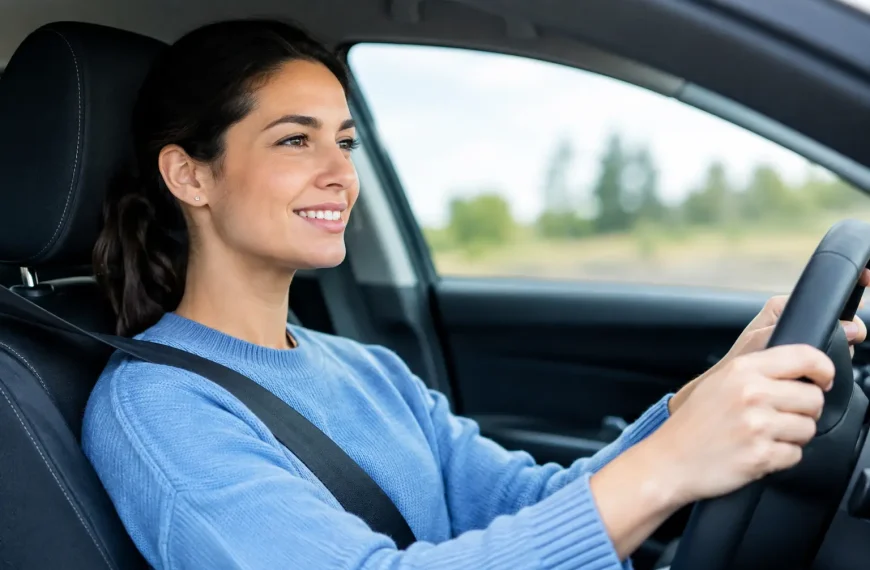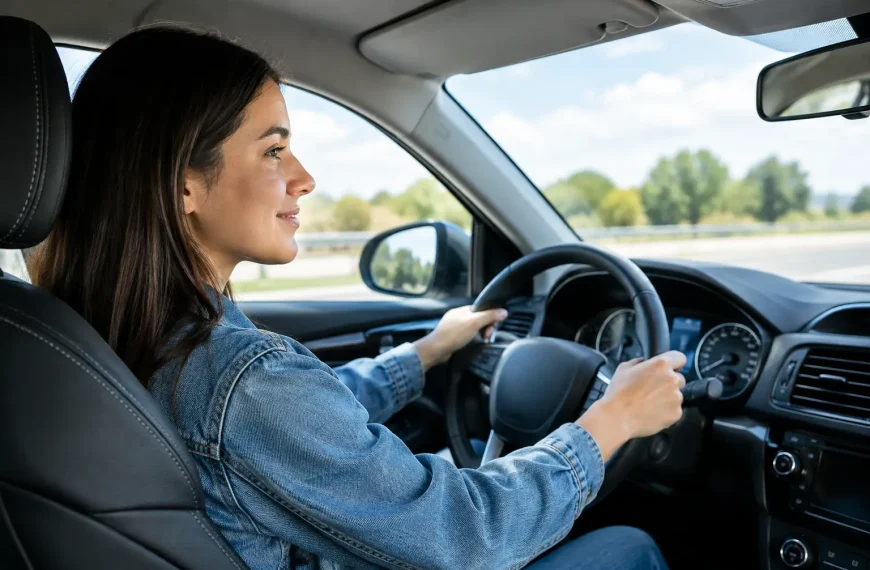
A G road test is not won by memorizing one route or making one perfect turn. It is won by showing safe, consistent judgment at normal traffic speeds. The best skills for G road test success are the ones that help an examiner trust your decisions: clear observation, smooth vehicle control, confident highway driving, and a calm response when traffic changes quickly.
For many drivers, the full G test feels more stressful than the G2 because highway speeds leave less time to react. That is exactly why preparation should focus on repeatable habits, not last-minute tricks. With the right practice, you can make safe driving feel natural before test day.
Best Skills for G Road Test Success Start With Observation
Examiners need to see that you are actively aware of what is happening around your vehicle. Looking ahead is only part of it. You must keep checking mirrors, scanning intersections, noticing pedestrians, and identifying vehicles that may enter your space.
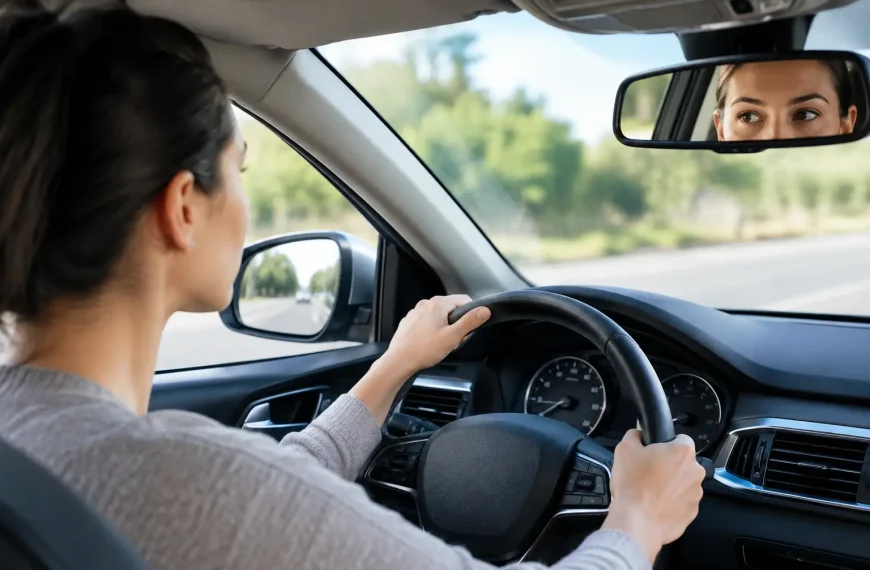
Make your observation obvious but natural. Check your rearview mirror regularly, use side mirrors before changing speed or position, and perform a clear shoulder check before every lane change, merge, or move away from the curb. A quick glance is not enough if it does not properly cover your blind spot.
Build a scanning routine
A reliable routine reduces nerves. As you drive, look well ahead for traffic lights, stopped vehicles, construction, and changing speed limits. Then check mirrors often enough to know what is behind and beside you. Before an action, check the area that action affects.
For example, before changing lanes, check your rearview mirror, check the appropriate side mirror, signal early, shoulder check, and move only when the lane is clearly safe. The order matters because it gives you time to recognize a fast-approaching vehicle instead of discovering it halfway through the move.
At intersections, scan left, center, and right even when you have a green light. Another driver may turn improperly, run a red light, or pull out too quickly. Strong observation shows defensive driving, not hesitation.
Smooth Speed Control Shows Real Confidence
The G road test evaluates whether you can maintain an appropriate speed without needing constant correction. Driving too fast creates risk, but driving far below the posted limit can also disrupt traffic and suggest that you are not comfortable with the road.
Aim to travel at the posted speed when conditions allow. Adjust responsibly for rain, snow, poor visibility, congestion, or a busy merge area. The goal is not to prove that you can drive quickly. It is to show that you understand when speed needs to change.
Smooth braking and acceleration matter just as much. Start slowing early when approaching a red light or stopped traffic. Accelerate steadily onto a highway ramp so you can match the flow of traffic. Sudden braking, delayed braking, and overly timid acceleration often happen when a driver is looking too close to the front of the car instead of planning ahead.
Keep both hands positioned for control and make small steering adjustments. You do not need to grip the wheel tightly or make exaggerated movements. A relaxed, stable steering style helps you stay centered in your lane and makes the whole drive look more controlled.
Highway Merging Is a Core G Road Test Skill
Highway merging is one of the biggest differences between G2 driving and full G driving. It requires observation, speed control, timing, and decisiveness at the same time. Many candidates know the steps but struggle because they wait too long to choose a gap.
Use the acceleration lane to build speed. Look ahead to understand traffic flow, check mirrors, signal, shoulder check, and identify a safe opening. Then adjust your speed to enter that opening. Do not stop at the end of an acceleration lane unless traffic conditions make it unavoidable. A safe merge depends on fitting into traffic, not expecting highway traffic to make room for you.
When possible, merge behind a vehicle rather than forcing your way in front of one. Leave enough following distance after you enter the lane. If the first opening is not safe, keep scanning and adjust your speed rather than making a rushed move.
Practice entering, exiting, and changing lanes
A full G test may include merging onto a highway, exiting safely, and changing lanes at highway speed. Each movement should be deliberate. Signal early, assess traffic, shoulder check, and avoid drifting across lane markings.
For an exit, move into the correct lane in good time. Do not cut across several lanes at the last moment. Once you are on the deceleration lane, reduce speed gradually and follow the ramp advisory speed if one is posted. This is a common area where drivers brake too hard or too late.
Lane changes on the highway should never feel rushed. Maintain your speed, create a safe gap, and complete one lane change at a time. If an examiner gives an instruction late or the move is not safe, continue safely and explain only if necessary. Making an unsafe lane change to follow an instruction is worse than missing a turn.
Space Management Protects You From Other Drivers
You cannot control what other drivers do, but you can give yourself more time to respond. Good space management means keeping a safe following distance, avoiding blind spots when possible, and choosing a lane position that gives you a clear view.
Use at least a two-second following distance in ideal conditions, and increase it when roads are wet, traffic is heavy, or visibility is limited. Pick a fixed object ahead, such as a sign or pole. When the vehicle in front passes it, begin counting. If you reach the same object before two seconds, ease off the accelerator and rebuild your cushion.
Do not follow closely just because the driver behind you is impatient. Maintain a safe speed and create space ahead. If someone is tailgating, avoid sudden braking, keep your attention forward, and allow them to pass when it is safe. Your road test is about your decisions, not theirs.
Intersections and Turns Need a Full Stop and Clear Plan
Simple intersections can cause avoidable mistakes when drivers rush. At a stop sign, come to a complete stop before the stop line, crosswalk, or intersection edge. Your vehicle should be fully still, not rolling slowly forward.
Then look carefully and decide when it is safe to proceed. At an uncontrolled intersection, be ready to yield based on the situation. When turning left, wait for a safe gap and watch for pedestrians crossing your destination lane. When turning right, check for cyclists, pedestrians, and vehicles entering from the left before you commit.
Finish turns in the correct lane whenever possible. A wide turn into the wrong lane can create a serious conflict, especially on multi-lane roads. Slow down before the turn, steer smoothly, and accelerate only once the vehicle is stable and the path is clear.
Handle Test Nerves With a Consistent Routine
Nerves are normal, especially when you have waited months for a test appointment or need your license for work, school, or family responsibilities. The answer is not trying to eliminate every feeling of anxiety. It is having a routine that still works when you feel pressure.
Before the test, adjust your seat, mirrors, and steering wheel position. Know where the defroster, headlights, turn signals, hazard lights, and windshield wipers are located. Arrive with enough time to settle in, and make sure the vehicle is legal, clean, fueled, and free of warning lights that could affect the test.
During the drive, focus on the next safe action rather than replaying a small mistake. A slightly awkward stop or a missed opportunity to change lanes does not automatically end the test. Recover calmly, continue scanning, and show that you can make safe choices for the rest of the route.
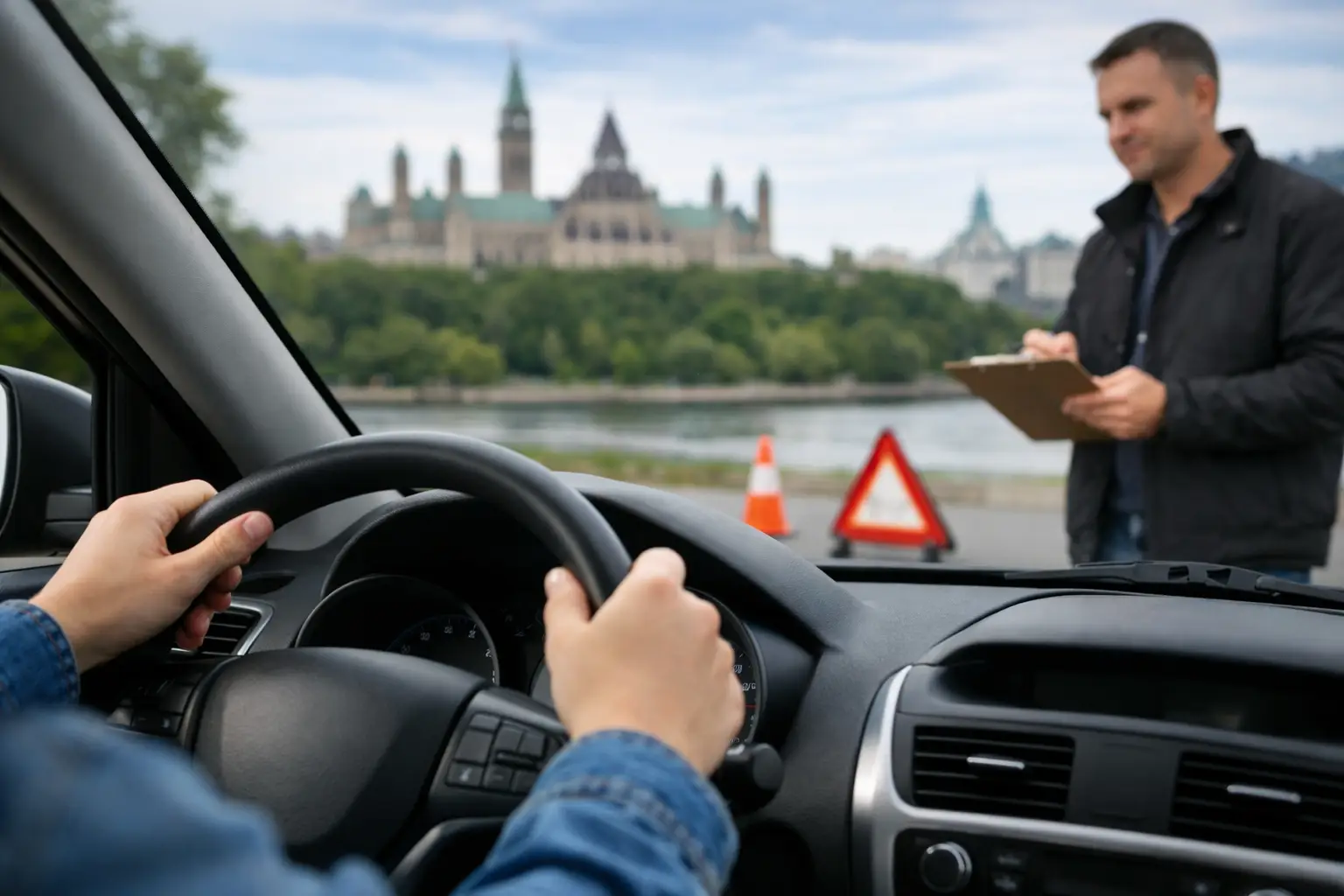
A practice lesson on Ottawa roads can help turn these habits into a dependable routine. Autoz Driving School gives learners focused in-car coaching on highway merges, lane changes, local traffic patterns, and the details that can make test day feel far more manageable.
The most useful preparation is not cramming the night before. Spend your final practice drives making safe observations visible, leaving room around your vehicle, and completing every highway movement with patience. When those habits become automatic, confidence has a much better chance to follow you into the driver’s seat.