A green light does not always mean it is safe to go. A driver may be turning left across your lane, a pedestrian may step off the curb, or a car may run the red light. The best defensive driving habits help you notice those possibilities early, respond calmly, and stay in control instead of relying on luck.
Defensive driving is not about being nervous or assuming every driver will make a mistake. It is about giving yourself time and space to handle mistakes when they happen. For new drivers, that mindset builds safer decision-making and the kind of steady confidence that helps on every drive, including a road test.
The Best Defensive Driving Habits Start With Awareness
1. Keep your eyes moving
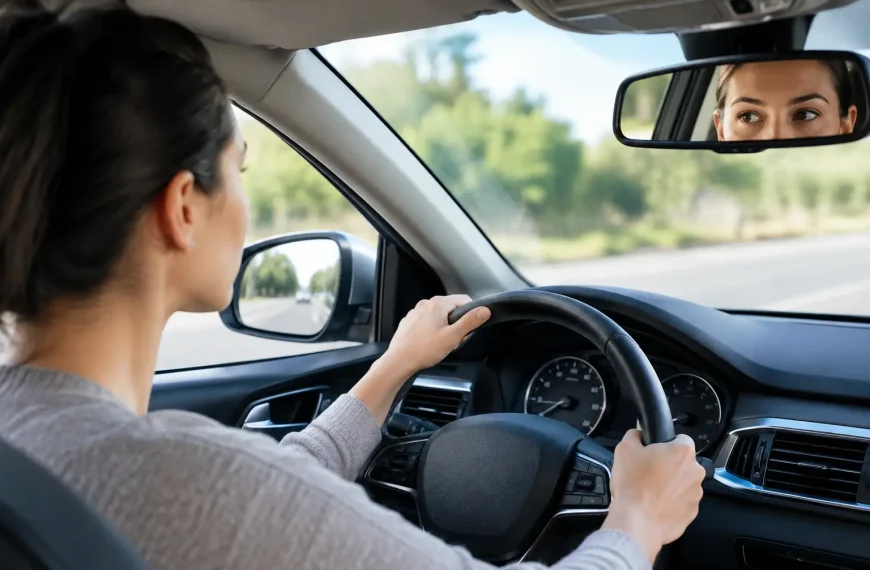
Strong drivers do not stare at the bumper directly ahead. They scan far down the road, check the space beside them, and use their mirrors regularly. This helps you spot a slowing line of traffic, a vehicle preparing to merge, or a child near the curb before it becomes an emergency.
A useful habit is to look 12 to 15 seconds ahead whenever possible. In city traffic, that may mean looking through the vehicles in front of you toward the next intersection. On a highway, it means watching for brake lights, work zones, and traffic patterns developing well ahead. Check your rearview mirror every few seconds and your side mirrors before changing speed or direction.
2. Leave enough following distance
Tailgating takes away your best safety tool: reaction time. Use at least a three-second following distance in normal conditions. Pick a fixed object such as a sign or pole. When the vehicle ahead passes it, count “one thousand one, one thousand two, one thousand three.” If you reach the object before you finish, create more space.
Three seconds is a starting point, not a rule for every situation. Add more distance in rain, snow, darkness, heavy traffic, or behind large trucks that block your view. You should also leave extra room if you are tired, driving an unfamiliar vehicle, or still building confidence with smooth braking.
3. Expect errors without driving aggressively
Another driver may forget a signal, misjudge a gap, or stop suddenly. A defensive driver plans for that possibility instead of reacting with anger. When you see a vehicle drifting within its lane or approaching an intersection too quickly, ease off the accelerator and prepare for it to do something unexpected.
This does not mean yielding your right-of-way every time. It means avoiding the need to prove a point. If another driver wants to merge aggressively, let them go. If someone is following too closely, increase your space ahead and avoid sudden braking. Getting home safely matters more than winning a moment of traffic.
4. Control your speed before the problem appears
The posted speed limit is the maximum allowed under ideal conditions, not a target you must reach. A safe speed depends on visibility, road surface, traffic, and the amount of space you have around your vehicle.
Slow down before curves, intersections, school zones, and areas with parked cars. When roads are wet or icy, reduce speed early and brake gently. Sudden steering and hard braking can turn a manageable situation into a skid, especially for inexperienced drivers. Smooth inputs give your tires the grip they need to work.
5. Build a space cushion around your vehicle
Try not to drive boxed in by traffic. A space cushion gives you options if the vehicle ahead brakes, a car enters your lane, or debris appears in the road. Your following distance is part of that cushion, but so is your position relative to vehicles beside you.
Avoid lingering in another vehicle’s blind spot, especially near trucks, buses, and SUVs. If someone is driving next to you for an extended time, adjust your speed when safe so you are either ahead or behind them. On multi-lane roads, choose the lane that gives you the clearest view and the most room to maneuver, while following local lane rules.
Defensive Driving Habits for Intersections and Lane Changes
6. Pause before entering an intersection
Intersections are where many serious crashes happen because drivers, cyclists, and pedestrians are all crossing paths. Even with a green light, briefly scan left, right, and ahead before proceeding. This quick check can reveal a late red-light runner or a pedestrian who is difficult to see.
When making a left turn, keep your wheels straight while waiting. If a vehicle hits you from behind, straight wheels reduce the chance that your car will be pushed into oncoming traffic. Do not turn until you have a clear gap and can complete the turn safely. Pressure from drivers behind you is never a reason to take a risky opening.
7. Use the full lane-change routine every time
Signals are not enough. Before moving over, check your rearview mirror, signal early, check your side mirror, and perform a quick shoulder check for the blind spot. Then change lanes smoothly when the space is clearly open.
This routine matters even when you think no one is there. A motorcycle, cyclist, or fast-approaching vehicle can disappear from mirrors at exactly the wrong moment. On a road test, clear mirror checks and shoulder checks also show that you are making informed decisions, not guessing.
8. Treat distractions as a driving risk, not a small inconvenience
A phone notification can pull your attention away long enough to travel the length of a football field. Set your navigation, music, and climate controls before moving. Put your phone away or use a hands-free setup only when it will not divide your attention.
Distraction is not limited to phones. Eating, searching for something in a bag, intense conversations, and turning around to speak with passengers can all reduce awareness. If something needs your full attention, pull over somewhere safe. A short stop is far better than a rushed decision.
9. Adjust early for weather and low visibility
Rain, fog, snow, glare, and darkness change what you can see and how your vehicle responds. Turn on your headlights when visibility drops, even during the day. Keep your windshield, mirrors, and camera lenses clean so that glare and dirt do not hide important details.
In poor conditions, increase following distance, reduce speed, and avoid cruise control on slippery roads. Brake earlier and more gently than usual. If you cannot see far enough ahead to stop within the distance you can see, you are driving too fast for the conditions.
10. Drive with a calm, repeatable routine
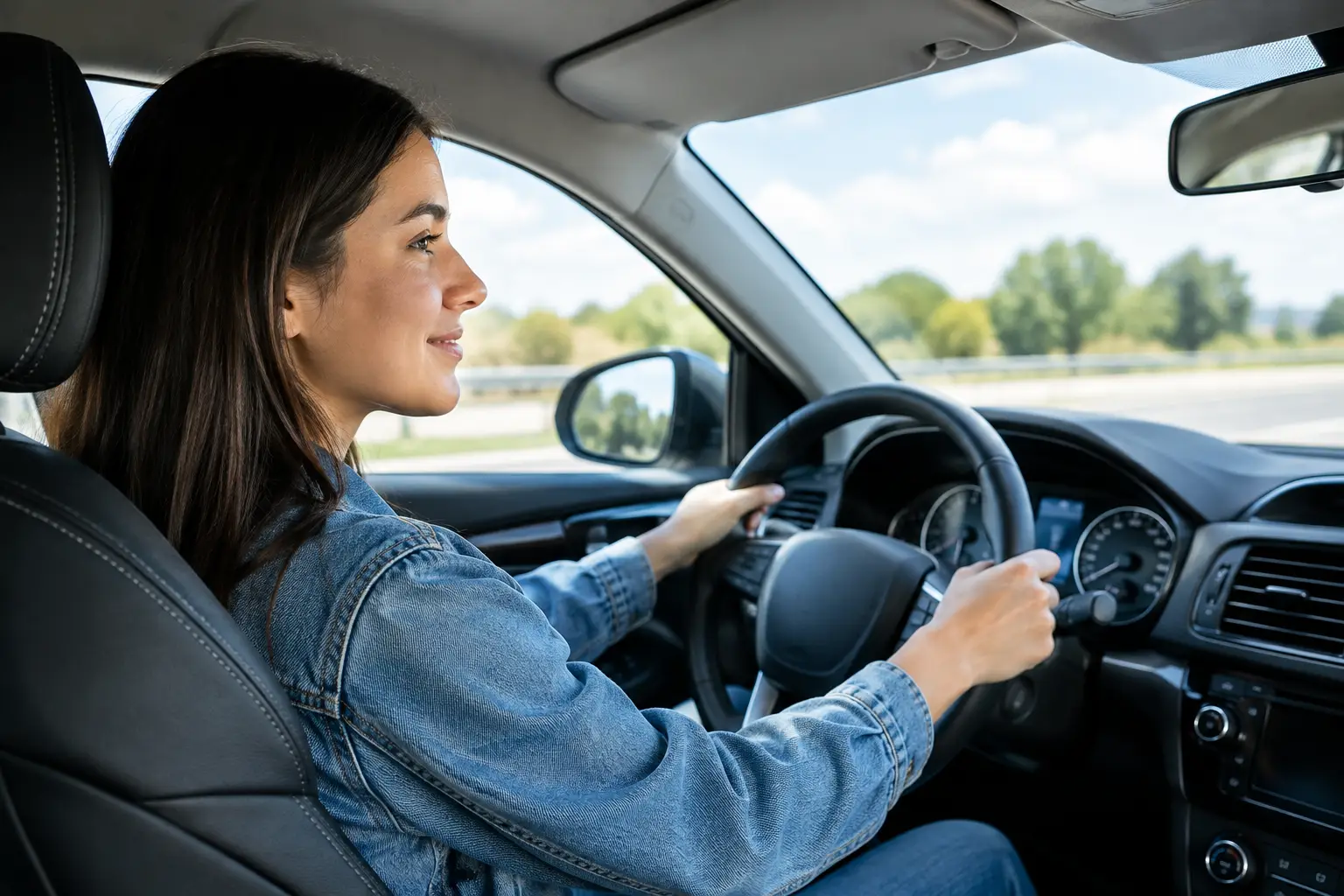
Confidence is not rushing into every situation. Real confidence comes from knowing what to check and doing it consistently. Before driving, adjust your seat, mirrors, head restraint, and steering wheel so you can reach the pedals comfortably and see clearly. Fasten your seat belt before putting the vehicle in gear.
While driving, keep your hands ready, your eyes active, and your emotions under control. If you make a small mistake, do not panic or try to correct it abruptly. Missed your exit? Take the next one. Entered the wrong lane? Continue safely and reroute. Calm decisions prevent small errors from becoming dangerous ones.
Practice Until Safe Choices Feel Natural
The best defensive driving habits are learned through repetition, not memorization. Start by practicing one or two habits on each drive, such as maintaining following distance and completing a shoulder check before every lane change. As those actions become automatic, add more complex situations like busy intersections, highway merging, and nighttime driving.
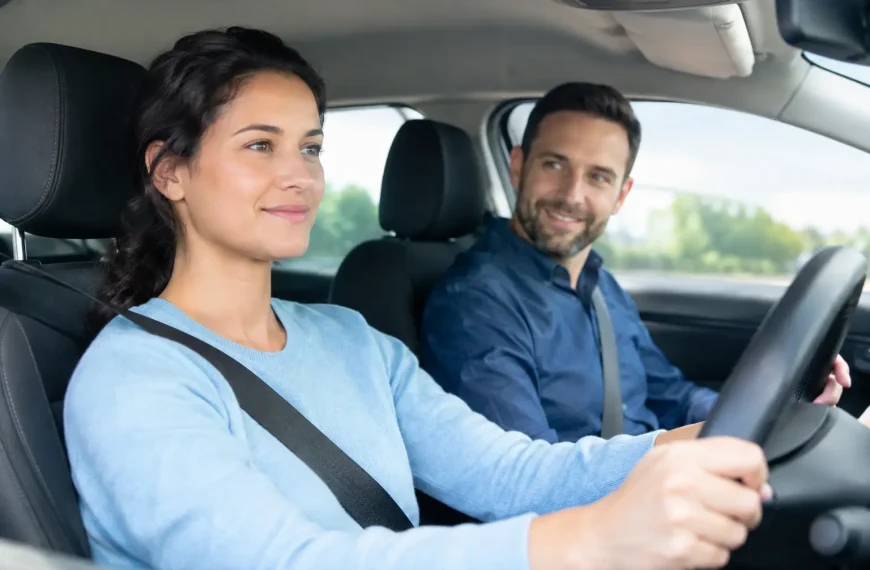
A patient instructor can help you recognize risks you may not yet see, correct habits before they become permanent, and practice challenging situations without pressure. The goal is not to drive perfectly. It is to make safe, controlled choices often enough that they become your normal way of driving.
Every trip gives you another chance to build that skill. Slow down when you need to, leave room for the unexpected, and trust a consistent routine more than a last-second reaction.