The difference between G2 versus G is more than the letter on your license. It changes what the examiner expects, where you will drive, and how you should prepare. Many Ottawa drivers feel confident after earning a G2, then discover that the full G road test demands stronger observation, higher-speed decision-making, and consistent highway driving. The good news is that these are skills you can practice with the right plan.
A road test is not about being perfect or performing tricks. It is about showing that you can make safe, controlled, independent decisions in real traffic. Whether you are a new driver, a newcomer to Ontario, or someone returning to driving after time away, understanding the test ahead helps you spend lesson time where it matters most.
G2 versus G: What Is the Main Difference?
In Ontario’s graduated licensing system, the G2 road test is your first practical driving test after the written G1 knowledge test. Passing it gives you a G2 license and allows you to drive independently, subject to G2 license conditions. The test focuses on the foundational skills needed for everyday driving on local roads.
The full G road test is the next step. It is designed to confirm that you can drive safely at higher speeds and manage more complex traffic situations, including highway driving. You must already hold a G2 license before taking the G test.
That means the G2 test asks, “Can you safely control a vehicle and follow the rules on regular roads?” The G test asks, “Can you continue to do that when traffic moves faster and decisions need to happen sooner?”
Neither test should be taken lightly. Still, the preparation is different. A driver who spends every practice session in quiet neighborhoods may be ready for parts of the G2 test but underprepared for a full G test that includes merging, lane changes, and exiting on a major highway.
What to Expect on the G2 Road Test
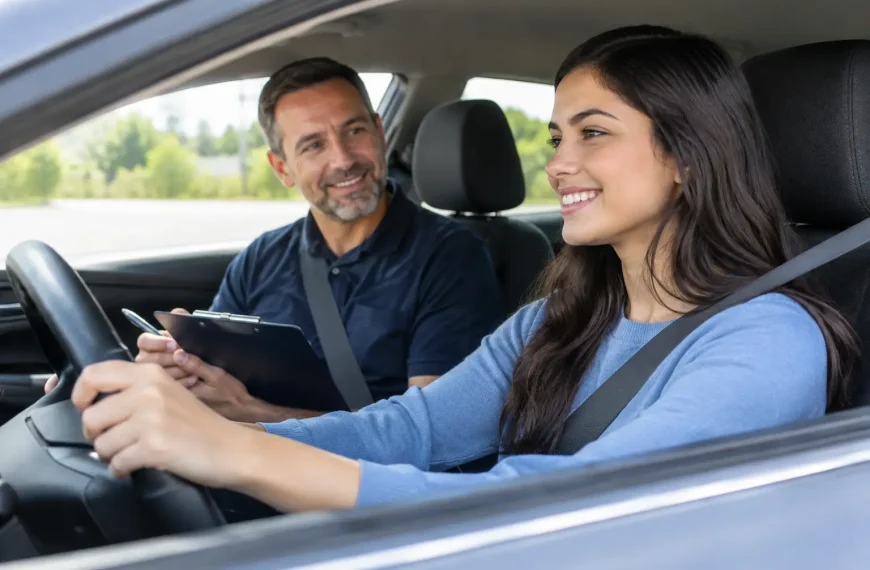
The G2 road test usually takes place on city streets, residential roads, and larger local routes. Your examiner is looking for safe vehicle control, awareness, and proper driving habits from the moment you leave the parking space.
You should be ready to make complete stops, scan intersections, turn correctly, change lanes when asked, and maintain a safe following distance. Parking maneuvers may be included, such as parallel parking, three-point turns, roadside stops, or uphill and downhill parking. The specific route and maneuvers can vary, so it is better to learn the skill than try to memorize one exact test route.
For many learners, the biggest G2 challenge is not steering or parking. It is observation. Examiners need to see that you are checking mirrors, looking through intersections, watching for pedestrians, and checking blind spots before changing direction or lanes. If your checks are too quick, too late, or not visible enough, an examiner may not be able to confirm that you made them.
A calm, consistent approach makes a difference. Signal early. Check mirrors before slowing. Come to a full stop behind the line or crosswalk. Keep both hands ready on the wheel and leave yourself room to react. These habits create a safer drive and make your decision-making easier for the examiner to follow.
What Changes on the Full G Road Test?
The G road test includes many of the same core habits, but the pace and setting are more demanding. You may drive on major roads and highways, where effective observation is no longer optional. You need to recognize gaps in traffic, match speed appropriately, and move with confidence without taking unnecessary risks.
A strong highway merge is one of the clearest examples. You should use the acceleration lane to build speed, check mirrors and blind spots, identify a safe space, and merge smoothly with traffic. Hesitating at the end of the lane or entering far below the flow of traffic can create a dangerous situation.
Lane changes matter just as much. A proper lane change is not simply signaling and moving over. It involves checking your mirrors, signaling, checking your blind spot, judging traffic speed, moving gradually into the available space, and canceling the signal once the move is complete. At highway speed, a small judgment error can have a much larger impact.
You will also need to show good lane discipline. Stay in the appropriate lane, maintain a safe following distance, and avoid unnecessary lane changes. When exiting, plan ahead, signal in good time, and reduce speed only when it is safe to do so. The goal is controlled driving, not rushed driving.
Common Mistakes That Can Cost You a Pass
Test anxiety can make capable drivers rush, freeze, or forget habits they normally use. The solution is not to drive overly slowly or cautiously in a way that disrupts traffic. It is to develop a repeatable routine that holds up under pressure.
On both tests, frequent concerns include incomplete stops, missed blind-spot checks, late signals, poor speed control, and entering intersections without enough observation. On the G test, weak merges, unsafe lane changes, and poor space management often become more noticeable because traffic is faster.
Another common issue is treating the examiner’s instruction as more important than road safety. If you are asked to turn or change lanes but it is not safe to do so immediately, do not force the maneuver. Continue safely, and follow the instruction when it can be done legally and safely. Examiners are evaluating your judgment, not whether you can make an unsafe move on command.
Drivers also lose points when they do not adjust to conditions. A posted speed limit is not a command to accelerate regardless of traffic, weather, construction, or visibility. At the same time, driving far below the limit without a reason can interfere with traffic flow. Good drivers read the road and respond appropriately.
How to Practice for the Right Test
Your practice should reflect the license you are working toward. For a G2 test, spend time building solid habits on Ottawa’s residential streets, busy intersections, multi-lane roads, and parking areas. Practice each maneuver until you can complete it calmly while still scanning your surroundings.
For a G test, make highway practice a regular part of your preparation. Start with quieter times if you are building confidence, then practice in more realistic traffic once your basic technique is reliable. Work on entering, merging, changing lanes, maintaining space, exiting, and rejoining city traffic afterward.
It also helps to practice in the vehicle you plan to use. Every car responds differently to braking, steering, mirrors, and acceleration. If you do not have access to a suitable vehicle, a road test car rental can remove one major source of stress. A properly maintained training vehicle gives you the chance to focus on your driving rather than worrying about unfamiliar controls or vehicle condition.
A professional lesson can be especially useful close to test day. An experienced instructor can identify habits you may not notice, such as turning too wide, checking mirrors too late, braking abruptly, or waiting too long to make a safe decision. Local Ottawa route familiarity can also help you prepare for the kinds of intersections, traffic patterns, and highway connections you may encounter, without relying on memorized routes.
At Autoz Driving School, lessons are built around the skills you need for your specific test. That can mean first-time G2 instruction, targeted G test highway practice, a refresher session after a failed attempt, or test-day vehicle support. Patient coaching and clear feedback help turn uncertainty into a practical plan.
When Are You Ready to Book?
You are ready when safe habits feel consistent, not occasional. You should be able to drive without constant prompts, recover calmly from small errors, and make decisions based on what you see around you. For a G test, you should also feel comfortable joining and leaving highway traffic without panic or hesitation.
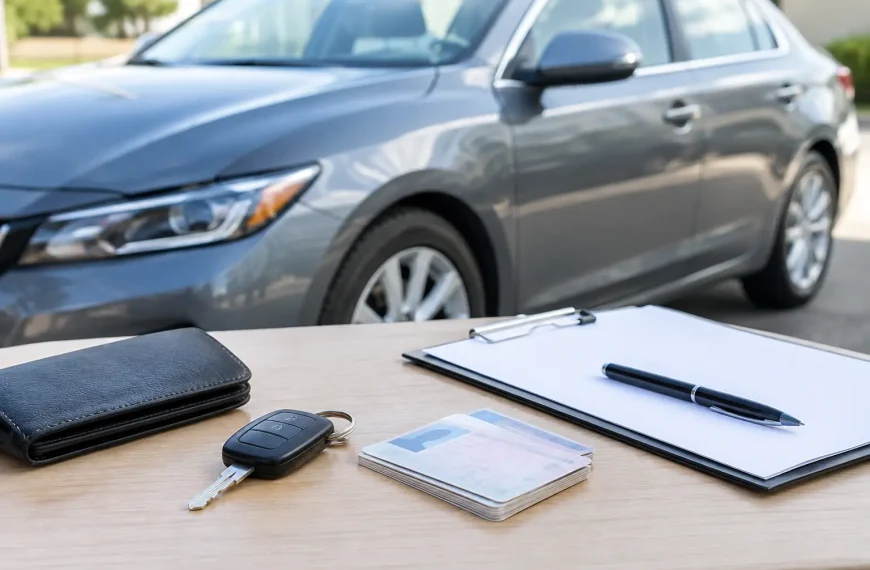
Before your appointment, confirm that you have the required identification, a valid license, and a roadworthy vehicle with the necessary documents. Arrive early enough to settle in and check mirrors, seat position, and vehicle controls. A few deep breaths before the test can help, but your best confidence comes from preparation.
Give yourself enough practice to become predictable in the best way: observant, controlled, and safe. That is the driving standard that carries you beyond test day.