A light rain can make a familiar street feel completely different. Painted lane markings, metal utility covers, puddles, and the first few minutes of rainfall can all reduce traction quickly. Good wet road braking techniques give you more time to react and more control when you need to stop.
For new drivers, the goal is not to brake timidly or panic-brake at every hazard. It is to recognize changing road conditions early, create space, and apply the brakes smoothly enough that your tires can keep doing their job.
Why Wet Roads Change Your Stopping Distance
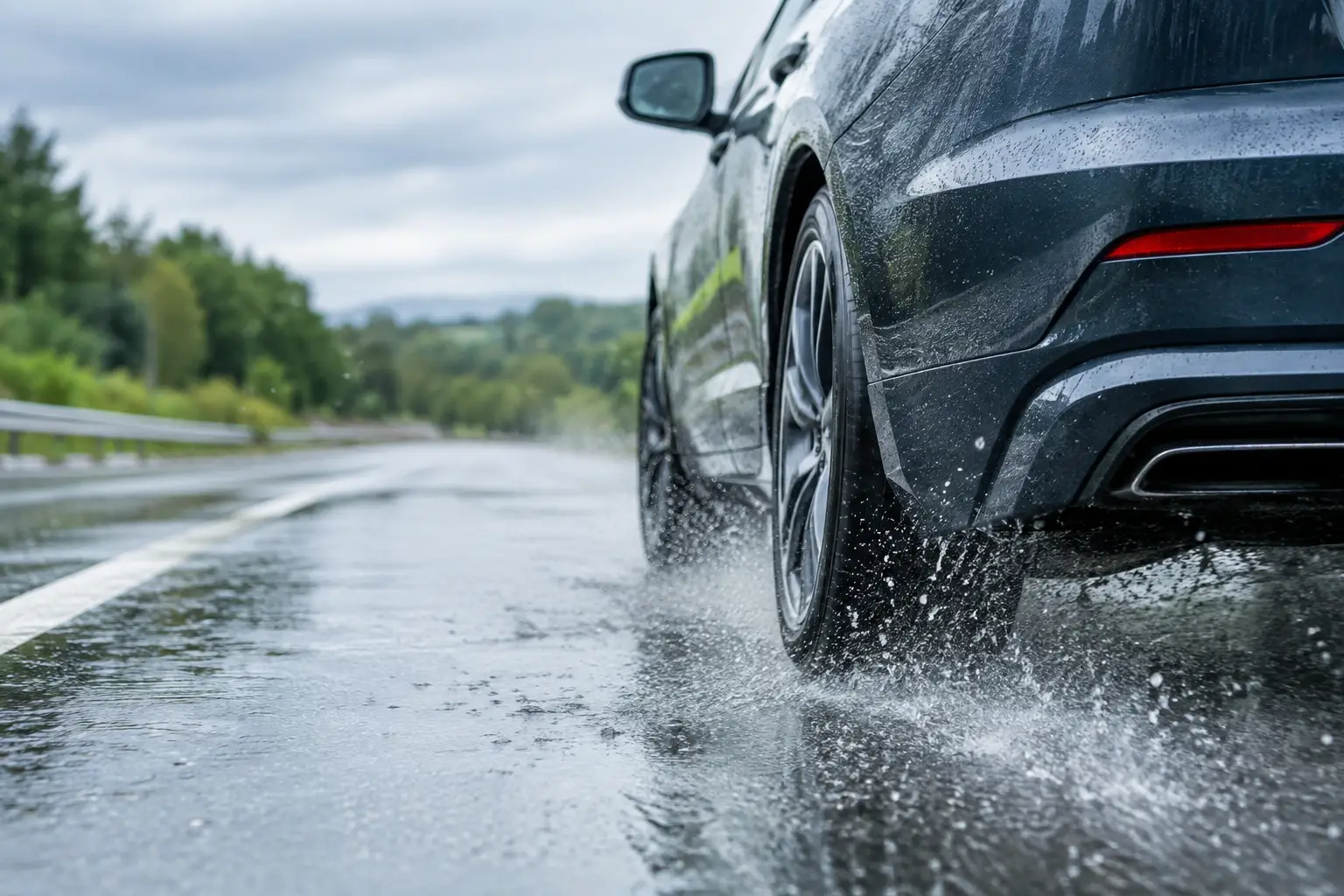
Your tires need grip to slow the vehicle, turn, and stay stable. On dry pavement, they have more traction available. On wet pavement, water creates a barrier between the tire and road, reducing that grip. The faster you drive, the less time your tires have to push water aside.
That means the stopping distance you are used to in dry weather may not be realistic in rain. A hard stop can also upset the vehicle, especially if you are turning, driving downhill, or crossing a slick painted line.
The first rain after a dry stretch can be particularly slippery. Oil, dust, and debris rise to the surface before the rain has a chance to wash them away. Treat those early wet conditions with extra caution, even if the rain does not look heavy.
The Best Wet Road Braking Technique Starts Before You Brake
The safest stop is usually decided several seconds before your foot touches the brake pedal. Look farther ahead than usual so you can spot red lights, stopped traffic, pedestrians, and changing signals early. Then ease off the accelerator sooner rather than waiting until the last moment.
Leave a larger following distance in the rain. The common dry-road following gap is often not enough when visibility and traction are reduced. Give yourself at least four seconds behind the vehicle ahead, and increase that space further during heavier rain, darkness, or slushy conditions.
This extra room prevents rushed decisions. Instead of slamming on the brakes when traffic slows, you can gradually reduce speed while staying balanced and predictable for drivers behind you.
Brake Smoothly and Progressively
When you need to stop on a wet road, begin braking earlier and press the pedal progressively. Start with light, steady pressure, then increase it as needed. Avoid stabbing at the brake pedal unless there is an immediate emergency.
Progressive braking helps transfer the vehicle’s weight forward in a controlled way. Your front tires gain some grip as the car slows, but abrupt braking can still cause the tires to lose traction on a slick surface.
Keep the steering wheel as straight as possible while braking. Tires have a limited amount of grip, and asking them to brake hard and turn sharply at the same time can lead to a skid. If you can, slow down before the curve, then make the turn at a safe, steady speed.
If Your Vehicle Has ABS
Most modern vehicles have anti-lock braking systems, or ABS. In a true emergency, press the brake pedal firmly and continue holding it down. You may feel pulsing or vibration through the pedal. That is normal. ABS is working to prevent the wheels from locking so you can maintain steering control.
Do not pump ABS brakes. Pumping can reduce the system’s effectiveness and lengthen the time it takes to stop. Look where you want the vehicle to go, keep a firm grip on the steering wheel, and steer around danger only if there is a safe path.
ABS helps you retain control, but it cannot create traction where there is very little. On standing water, ice, worn tires, or a steep downhill grade, you still need more distance and lower speed.
If You Drive an Older Vehicle Without ABS
Vehicles without ABS require a different response. If the wheels lock, the vehicle can slide and may not respond to steering. Apply firm but controlled brake pressure. If you feel the tires lock or the vehicle begin to skid, ease off the brake enough for the wheels to roll again, then reapply pressure smoothly.
This is not a skill to experiment with in traffic. If you drive an older vehicle, practice braking awareness with a qualified instructor in a safe, open location.
Avoid Hydroplaning Before It Starts
Hydroplaning occurs when your tires ride on top of water instead of gripping the pavement. It can happen in deeper puddles, rutted roads, and heavy rain, especially at higher speeds. You may feel the steering become light or notice that the vehicle does not respond normally.
If this happens, stay calm. Ease off the accelerator, keep the steering wheel straight, and avoid sudden braking or sharp steering. Let the vehicle slow naturally until the tires regain contact with the road.
Prevention matters more than recovery. Reduce speed before areas where water collects, avoid using cruise control in wet conditions, and do not follow other vehicles so closely that you cannot see puddles or road hazards ahead.
Watch for the Slipperiest Road Surfaces
Not all wet pavement has the same level of grip. Intersections can be slick because of oil buildup from stopped vehicles. Crosswalk paint, arrows, railroad tracks, bridge decks, manhole covers, and fallen leaves can also become slippery when wet.
Approach these surfaces with a lower speed and avoid hard braking directly on them whenever possible. If you know you will need to stop at an intersection, start slowing before you reach the painted markings. Small adjustments like this make a noticeable difference in vehicle control.
Be especially patient near pedestrians and cyclists. Rain reduces their visibility too, and they may move unexpectedly to avoid puddles or poor road surfaces. Braking early gives everyone more room to make safe choices.
Do Not Rely on Driver Assistance Alone
Modern cars may include traction control, stability control, automatic emergency braking, and regenerative braking. These features can help, but they do not replace attentive driving or proper following distance.
Regenerative braking deserves special attention for drivers of electric and hybrid vehicles. Strong regeneration can slow the car quickly when you lift off the accelerator, which may surprise you on a wet road or cause a rapid speed change before you have checked behind you. Learn how your specific vehicle behaves and use gentle inputs in poor weather.
Your tires matter just as much as your technology. Check tire tread, inflation pressure, and overall condition regularly. Worn tires have a harder time moving water away from the road surface, so even a vehicle with advanced safety features may struggle to stop safely.
Wet Road Braking Techniques for a Road Test
During a road test, an examiner is not looking for an overly cautious driver who holds up traffic. They are looking for a driver who adjusts appropriately to the conditions. In rain, that means leaving more space, braking earlier, maintaining a safe speed, and making smooth, deliberate stops.
Avoid rolling through stop signs because you are worried about braking too hard. Begin slowing earlier, come to a complete stop behind the line or crosswalk, and proceed only when it is safe. If visibility is poor, use your windshield wipers and headlights as required, and make sure your defroster keeps the windows clear.
A calm, planned approach shows sound judgment. Sudden braking, late decisions, and following too closely are more likely to create mistakes than rain itself.
Build Confidence Through Practice
Wet-weather driving is easier when you have practiced the fundamentals before you need them in a stressful moment. A patient instructor can help you recognize safe following distances, develop a smooth brake application, and understand how your vehicle responds in changing conditions.
At Autoz Driving School, practical lessons focus on the habits that help drivers feel prepared, not just memorized for test day. With the right coaching, rain becomes another condition you know how to manage with care.
The next time the pavement starts to shine with rain, give yourself more space, slow down early, and trust the smooth habits you have practiced. That is how confident drivers protect themselves and everyone sharing the road.