A lane change can feel easy until another vehicle is sitting just outside your field of view. That is why learning how to practice mirror checks is not about glancing at glass on command. It is about building a calm, repeatable awareness routine that helps you spot changes before they become problems.
For new drivers, mirror checks often feel like one more thing to remember while steering, watching speed, reading signs, and managing traffic. With practice, they become automatic. You will spend less time wondering what is around you and more time making safe, confident decisions.
Set Your Mirrors Before You Start Moving
Good mirror checks begin with good mirror adjustment. If your mirrors are aimed poorly, you can check them perfectly and still miss important information.
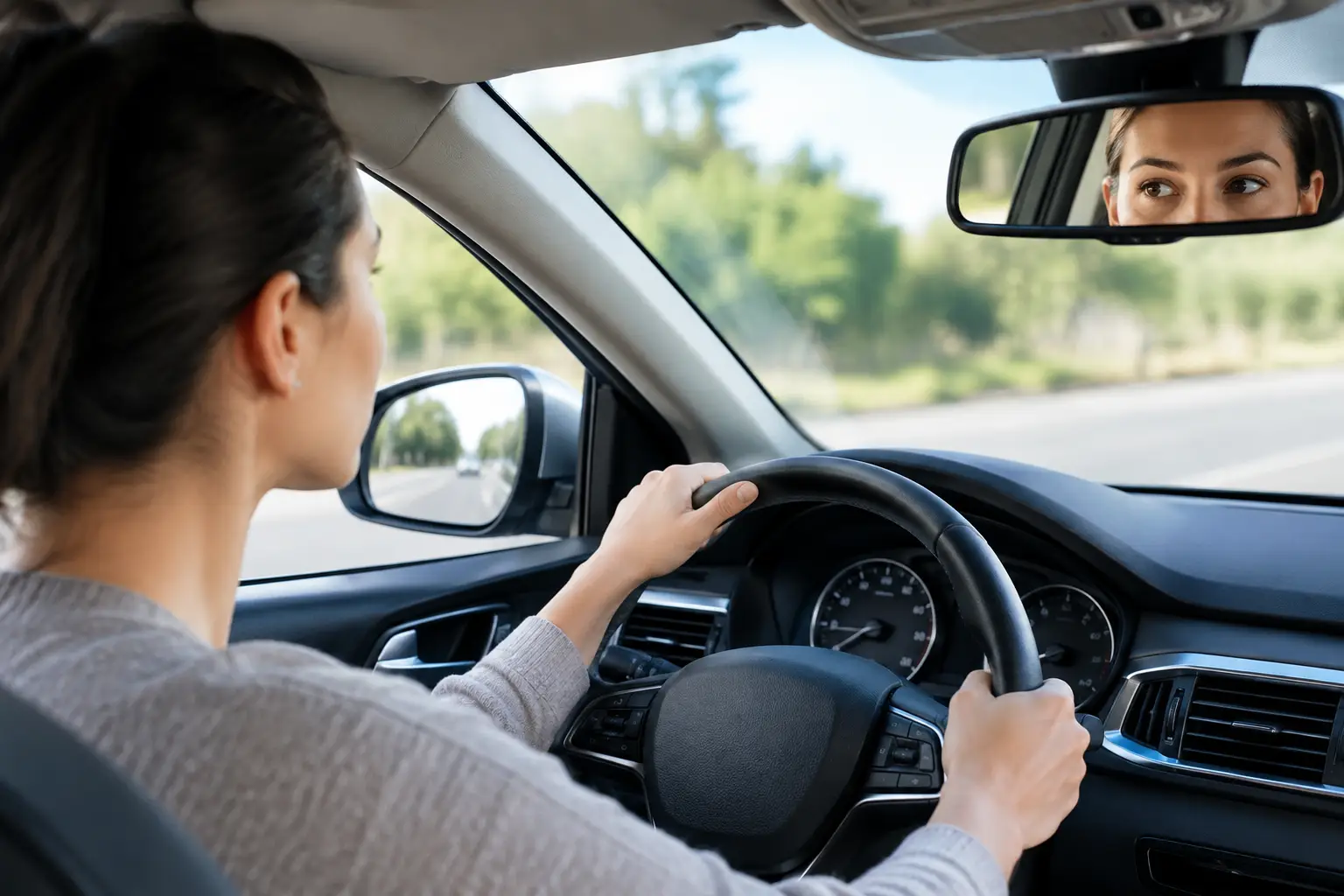
Sit in your normal driving position first. Adjust the rearview mirror so you can see the entire rear window without moving your head. Then set the side mirrors to show a small edge of your vehicle and as much of the lanes beside you as possible. The goal is to reduce blind spots, not to watch the sides of your own car.
Your mirrors should work together: the rearview mirror shows what is directly behind you, while the side mirrors show vehicles approaching or traveling beside you. They are helpful tools, but they do not replace a shoulder check. A vehicle, cyclist, or motorcycle can still be hidden in a blind spot.
How to Practice Mirror Checks With a Simple Routine
The most effective routine is short and consistent. Rather than staring at one mirror, take quick glances and return your eyes to the road ahead. A mirror check should usually take about a second. Looking away too long creates a new hazard in front of you.
Start with this basic sequence: check the rearview mirror, check the road ahead, check the appropriate side mirror when needed, then look ahead again. As you gain experience, this pattern becomes natural instead of distracting.
Practice during low-pressure drives
Begin on quiet residential streets or wide, familiar roads. Drive straight at a steady speed and check your rearview mirror every few seconds, especially after passing an intersection, before slowing down, and when traffic conditions change.
Notice what you see. Is the vehicle behind you following closely? Is someone approaching quickly? Is a cyclist coming up beside you? The goal is not simply to move your eyes. Train yourself to understand the information your mirrors give you.
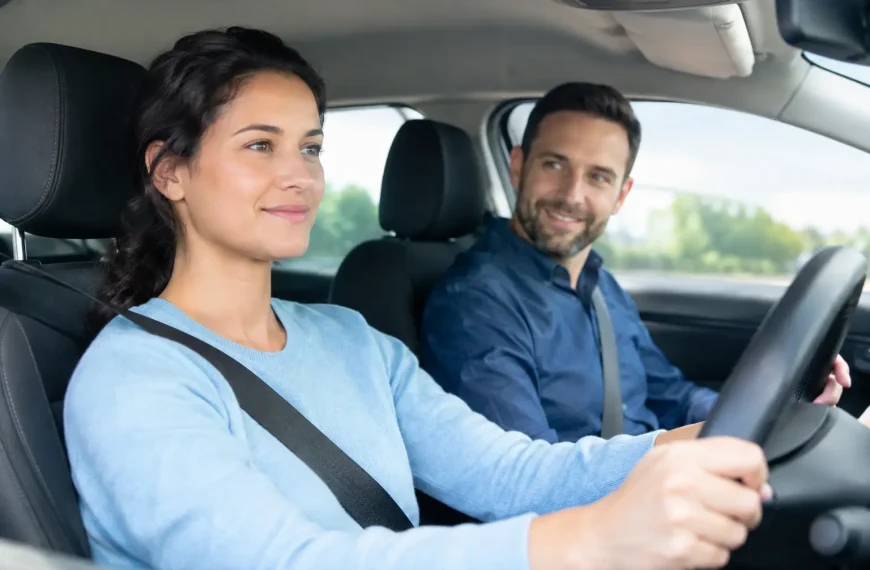
If you are practicing with an instructor or experienced supervising driver, ask them to name a situation behind you. Then confirm what you see in your mirror. This builds observation skills without forcing you to take your attention off the road for too long.
Add mirror checks before every change in speed or direction
A strong habit is to check mirrors before you brake, turn, change lanes, merge, pull over, or enter traffic. These moments affect drivers behind and beside you, so they require more awareness.
For example, before slowing for a turn, glance at the rearview mirror. If a vehicle behind you is following too closely, you can brake smoothly and earlier rather than stopping suddenly. Before a lane change, check the rearview mirror, signal, check the side mirror, perform a shoulder check, and then move only when the lane is clearly safe.
The exact order can vary slightly by situation, but the principle stays the same: observe first, communicate with your signal, confirm the blind spot, then act.
Use verbal practice at first
New drivers sometimes benefit from quietly saying the sequence out loud: “Mirror, signal, side mirror, shoulder check, move when clear.” It may feel awkward for a few lessons, but it gives your brain a structure to follow.
Once the routine feels comfortable, stop narrating every step. You do not want to sound rehearsed during a road test. You want your checks to look natural, purposeful, and safe.
Mirror Checks for Common Driving Situations
Different situations require different levels of attention. Checking constantly without a reason can make a driver tense, while checking too little leaves them surprised by traffic changes. The right approach is active, purposeful scanning.
Before braking or stopping
Check the rearview mirror before braking, especially when traffic is moving quickly or you are approaching a yellow light, crosswalk, stopped vehicle, or traffic queue. This lets you see whether someone behind you may not be prepared to slow down.
You still need to stop when required. A mirror check does not mean you should continue through a red light or ignore a pedestrian. It helps you brake in a controlled way and stay prepared for what is happening behind you.
Before turning
Before turning right, check the rearview and right-side mirror for cyclists, scooters, motorcycles, and vehicles attempting to pass. Before turning left, check for traffic that may be moving into or beside your lane. Signal early enough to communicate your plan, but do not signal so early that other drivers misunderstand which street or driveway you intend to use.
During lane changes and merges
Lane changes require your full routine. Check the rearview mirror to understand traffic behind you. Signal your intention. Check the side mirror for vehicles in the neighboring lane. Then perform a quick shoulder check in the direction you are moving.
Do not drift toward the next lane while checking. Keep your vehicle centered and maintain a steady speed unless traffic requires an adjustment. If the space is not clearly safe, stay in your lane. Missing a lane change is never a failure. Forcing one is where drivers get into trouble.
When backing up
Mirrors help when reversing, but they are only part of the picture. Check behind you directly by turning your head and looking through the rear window when appropriate. Use mirrors to monitor the sides of the vehicle, curbs, parked cars, and pedestrians approaching from either direction.
Backup cameras are useful, but they do not replace looking around. A camera can miss a fast-moving person, a low object, or activity outside its viewing area.
Common Mirror Check Mistakes to Avoid
The biggest mistake is checking a mirror without processing what is there. A quick glance is only useful if you can answer a simple question: What is behind or beside me, and does it affect my next move?
Another common problem is staring at mirrors for too long. Your primary responsibility is still the space ahead of your vehicle. Make checks brief, then bring your eyes back forward.
Some learners also rely on side mirrors instead of shoulder checks. Mirrors reduce blind spots, but they do not eliminate them. Before moving sideways, a quick shoulder check is essential. Finally, avoid checking only when an instructor reminds you. The habit needs to happen on every drive, whether you are on a quiet street, a busy highway, or preparing for a road test.
Build Road-Test Confidence Without Looking Scripted
Examiners want to see that you are aware of traffic around your vehicle. They are not looking for exaggerated head movements or constant mirror staring. They want safe, timely checks before actions that affect other road users.
Make your checks visible but natural. A small head movement toward the mirror is often enough. Before changing lanes, your shoulder check should be clear and quick. Keep steering steady, maintain your lane position, and avoid rushing because you think the examiner is watching.
Practice the same routine in real traffic that you plan to use on test day. At Autoz Driving School, instructors help drivers turn these small habits into dependable road-test skills through patient, practical coaching. The more often you practice in realistic situations, the less you will need to think about each step.
Mirror checks are a quiet skill, but they protect you every time traffic changes around you. On your next drive, choose one goal: check before every brake, turn, merge, and lane change. A few focused drives can turn that goal into a habit that stays with you long after the test is over.