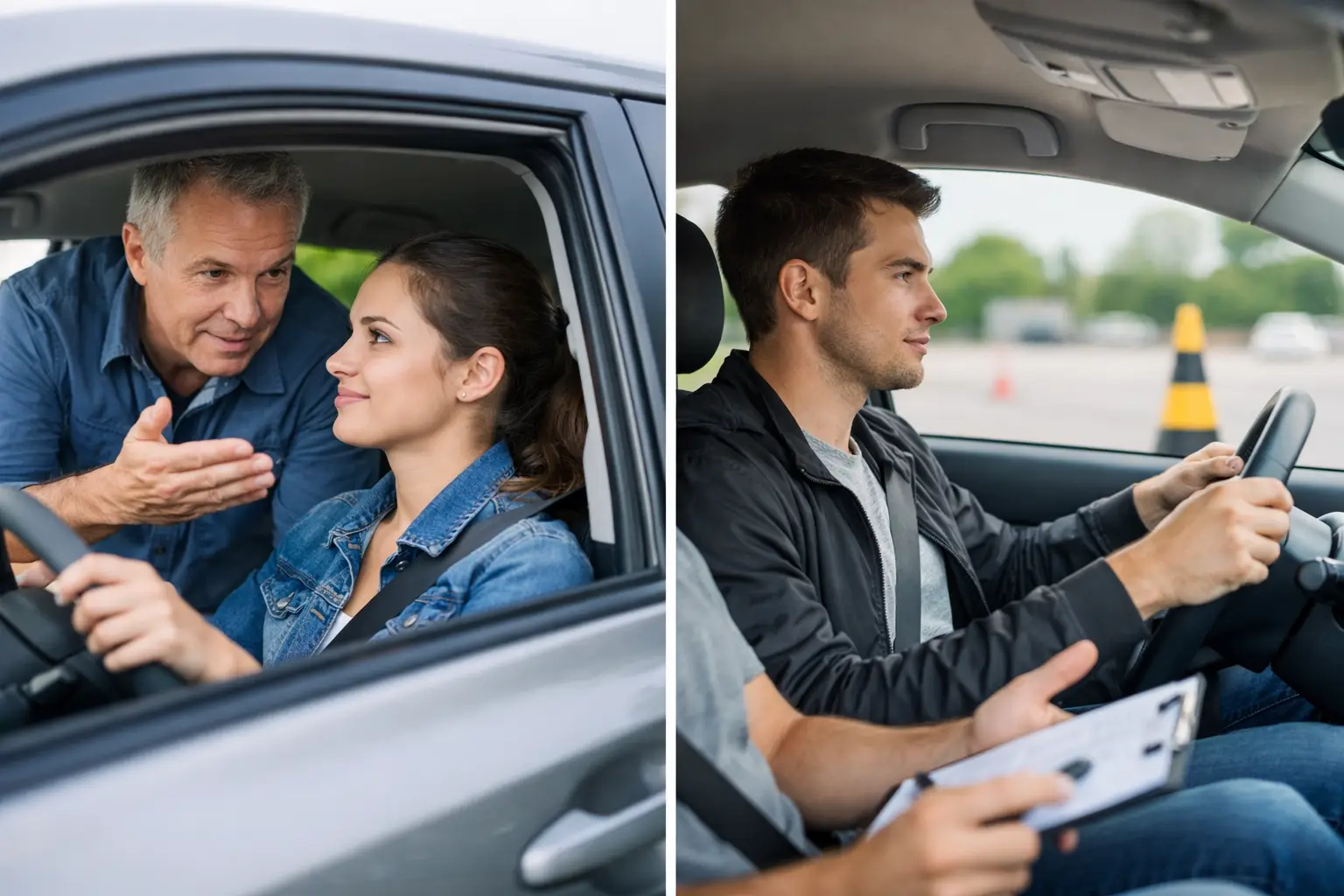
A road test can feel very different when you know what to expect, have practiced the right skills, and have an instructor who can tell you exactly what to improve. That is why the choice between private lessons vs driving school matters. One option may offer flexibility and familiar support, while the other can provide a clear training plan, professional feedback, and preparation built around passing safely.
For Ottawa learners working toward a G2 or full G license, the best choice depends on your experience, confidence, schedule, and goals. The right training should do more than help you get through test day. It should help you make calm, safe decisions long after you receive your license.
What Private Driving Lessons Offer
Private driving lessons are one-on-one sessions with a professional instructor. They are usually the most direct option for learners who want individual attention, flexible scheduling, and training focused on their specific needs.
This format works especially well if you already have some driving experience but feel unsure about certain areas. Maybe parallel parking makes you nervous. Maybe you need help with highway merging, left turns at busy intersections, lane changes, or the habits that road test examiners watch closely. A private instructor can spend the entire lesson on the skills that need the most attention instead of following a fixed class pace.
Private lessons also create a calmer learning environment for many adults, newcomers, and anxious first-time drivers. You are not trying to keep up with a group. You can ask questions without feeling rushed, repeat a maneuver as many times as needed, and get feedback immediately after it happens.
The trade-off is that private lessons alone may not include the complete structure of a beginner driver education program. If you are starting from zero, taking only a few sessions without a larger plan can leave gaps in your knowledge. You may learn how to park, for example, but still need more practice recognizing hazards, managing speed, scanning intersections, and preparing for the full range of road situations.
What a Driving School Program Provides
A driving school program combines professional in-car instruction with a structured curriculum. Depending on the program, that may include online classroom learning, practical driving sessions, defensive-driving principles, and a defined path toward test readiness.
For a brand-new driver, structure is valuable. Driving is not one skill. It is a series of decisions happening at the same time: checking mirrors, judging distance, controlling speed, reading signs, watching pedestrians, and responding to other drivers. A good program builds those skills in order, so you are not pushed into difficult traffic before your foundations are ready.
In Ontario, a recognized Beginner Driver Education course can also be useful for learners who want formal training records and the potential insurance-related benefits that may come with completing an approved program. That is different from casual practice with a family member or a few independent lessons. Before booking, confirm what is included and whether the program fits your licensing timeline.
Driving school training can be particularly helpful for teens who need a complete introduction to road rules and safe habits. It is also a strong choice for families who want a professional instructor to reinforce what a new driver is learning outside the car. Parents can provide valuable practice time, but an instructor brings a trained, objective eye and knows how common mistakes can affect a road test.
Private Lessons vs Driving School: The Real Differences
The biggest difference is not simply private instruction versus classroom learning. It is the level of personalization compared with the level of structure.
Private lessons are designed around you. If your road test is coming up in two weeks, the instructor can focus on your test route, weak maneuvers, observation habits, and timing. If you have not driven for years, your first session can begin with rebuilding comfort behind the wheel rather than reviewing beginner material you already understand.
A driving school program is designed to cover the full process. It gives new drivers a framework for learning rules, developing safe habits, and gaining experience step by step. This can reduce confusion for learners who do not know where to start or what they should practice next.
Cost should be considered in the same practical way. A few private lessons may cost less upfront if you need targeted support only. A comprehensive package can offer better value when you need multiple in-car hours, online learning, road test preparation, and possibly road test car rental. The lowest price is not always the best value if it leaves you needing extra lessons later because the training was incomplete.
Your schedule matters too. Private sessions are often easier to arrange around work, school, or family responsibilities. A formal program may require you to complete certain components in a set order. For busy learners, the ideal option is often a school that offers both structure and flexible one-on-one scheduling.
When Private Lessons Are the Better Choice
Private lessons are often the right fit when you have a clear, specific goal. You may be preparing for an upcoming G2 or G road test, retaking a test after an unsuccessful attempt, or refreshing your skills after time away from driving.
They can also be the better choice if you have already completed a driver education course and simply need more road time. Many learners understand the rules but have not had enough real practice with traffic, parking, highway driving, or unfamiliar intersections. Focused lessons can turn that knowledge into consistent driving habits.
Choose private lessons when you want feedback that is immediate and personal. A patient instructor can identify patterns you may not notice yourself, such as braking too late, checking mirrors without fully scanning, turning too wide, or hesitating at the wrong moment. Small corrections add up quickly when they are practiced consistently.
When Driving School Is the Better Choice
A full driving school program is usually the stronger starting point for learners with little or no driving experience. It gives you a roadmap instead of asking you to figure out the learning process on your own.
It is also useful if you want formal beginner driver education, a combination of online and in-car training, or a package that supports you from your first lesson through road test preparation. Learners who benefit from clear milestones often feel more confident when they can see their progress from basic vehicle control to independent driving decisions.
A structured program does not have to feel impersonal. The best schools still adapt the in-car portion to the student. You may need extra work on parking while another student needs more highway confidence. Structure should give you a foundation, not force every learner into the exact same pace.
A Practical Option: Combine Both
For many drivers, the answer is not strictly private lessons or driving school. It is both.
Start with a beginner education program if you need the full foundation. Then add private lessons as your road test approaches. This gives you the benefit of organized training while allowing time for targeted practice on the skills that matter most for you.
The same approach works for experienced drivers who are retaking a test. You may not need a full course, but you may benefit from an assessment lesson followed by focused sessions and a final mock road test. At Autoz Driving School, this type of preparation can include local Ottawa road knowledge, patient coaching, and road test support so you know what to expect before the big day.
How to Choose Without Wasting Time or Money
Before you book, be honest about where you are now. Ask yourself whether you need to learn driving from the beginning, correct a few weak areas, prepare for a test, or regain confidence after a long break.
Look for an instructor or school that can clearly explain the plan. You should know how many in-car hours are included, what skills will be covered, whether online training is part of the package, and what happens if you need additional practice. Transparent pricing matters because driving lessons should feel like progress, not a series of unexpected add-ons.
Also consider the vehicle and the learning environment. A clean, well-maintained car with dual controls supports safe instruction. Just as important, choose an instructor who is patient enough to explain mistakes without making you feel embarrassed. Confidence grows when you understand what went wrong, what to do differently, and have the chance to practice it again.
Your license is the goal, but safe, independent driving is the outcome that matters. Choose the training that gives you enough practice, clear feedback, and the confidence to make good decisions when no instructor is sitting beside you.