BOOK NOW

Lane Change Tips Driving Test: Pass Calmly

Lane Change Tips Driving Test: Pass Calmly

A lot of road tests are going smoothly until one lane change goes wrong. The signal is late, the blind spot check is rushed, or the driver drifts while looking over their shoulder. If you are searching for lane change tips driving test examiners actually look for, the good news is this skill is very learnable when you know the sequence and practice it the right way.

Why lane changes cause trouble on a road test

Lane changes seem simple because experienced drivers do them without thinking. For a new driver, though, there are several actions happening almost at once. You need to scan traffic, judge space, keep a steady speed, signal on time, check your blind spot, and move the car smoothly without wandering.

That is exactly why examiners pay attention to it. A lane change shows whether you can stay aware, make safe decisions, and stay in control under pressure. It is not just about getting into the next lane. It is about how you prepare, how you observe, and whether you move predictably.

The biggest mistake we see is not a dramatic one. It is usually a rushed one. Nervous drivers know the examiner is watching, so they speed up the whole process. On a road test, rushing almost always makes a lane change look less safe than it needs to.

The lane change tips driving test examiners want to see

The safest lane change has a clear order. When that order becomes your habit, you look calm and competent instead of hesitant or abrupt.

Start with mirrors before you signal

Check your rearview mirror and the side mirror for the direction you want to move. This gives you the first picture of traffic behind and beside you. Examiners want to see that you are gathering information before you announce your move.

If you signal first and only then check mirrors, you may end up telling other drivers you plan to move before you even know whether space is available. That can create pressure and force a bad decision.

Signal early enough to be useful

Your signal should come on with enough time to communicate your intention, but not so early that it becomes confusing. In most road test situations, a few seconds is enough. If you leave the signal on for too long while waiting, other drivers may not know when you actually plan to move.

This is one of those areas where timing matters. Too late looks reactive. Too early can look indecisive. What the examiner wants is clear communication.

Check your blind spot properly

This is the step many drivers know they should do, but do too quickly. A real blind spot check means turning your head and looking over your shoulder in the direction of the lane change. It should be obvious to the examiner. A small eye movement is not enough.

At the same time, you do not want to stare sideways so long that the car drifts. The check should be clear, quick, and controlled. Keep the steering steady while you do it.

Move one lane at a time

On a driving test, never cut across multiple lanes in one motion. Even if the road looks open, treat each lane change as a separate decision. Check, signal, blind spot, move, cancel the signal if needed, then repeat if another lane change is necessary.

This shows judgment and patience. It also reduces the chance of missing traffic in a second lane.

Keep your speed steady

A common nervous habit is slowing down too much before moving over. Another is speeding up sharply to force a gap. Neither looks great on a test. The goal is to maintain a safe, steady speed that matches traffic conditions.

Sometimes you may need a slight adjustment, and that is normal. But the lane change should not feel like a sudden brake or a sudden jump forward. Smooth speed control makes the whole maneuver look safer.

What examiners usually mark during a lane change

Examiners are not looking for perfection in a dramatic sense. They are looking for a repeatable safe method. They will usually notice whether you checked mirrors, signaled at the right time, looked at your blind spot, kept proper lane position, and changed lanes without interfering with other traffic.

They also notice the quality of your decision-making. Did you choose a safe gap, or did you squeeze into a tight space because you felt rushed? Did you stay centered in your lane before and after the move? Did you cancel your signal? Small details add up.

If traffic is heavy and a safe opening is not there, waiting is often the better choice. A patient decision can help you more than a forced lane change ever will.

Common lane change mistakes on a driving test

Some errors happen so often that they are worth watching for in every practice session.

One is checking mirrors but skipping the blind spot. Another is doing the blind spot check after the car has already started drifting. Examiners want to see observation before movement, not during a mistake.

Another common problem is poor steering control. Drivers turn the wheel too much and swing into the next lane instead of gliding over. A lane change should be a gentle shift, not a sharp turn.

Then there is gap judgment. New drivers often think a space is big enough when it is not, especially if a car behind is approaching quickly. On the other hand, some drivers miss safe opportunities because they hesitate too long. This improves with practice, but on the test, choosing safety over urgency is usually the smarter move.

How to practice lane change tips for a driving test

The best practice is not doing fifty random lane changes. It is repeating the same correct sequence until it feels natural.

Start on quieter roads where you have less pressure. Say the steps quietly to yourself if that helps: mirror, mirror, signal, blind spot, move. That may sound basic, but building the sequence matters more than trying to look advanced.

Once the order feels comfortable, practice on busier roads where you need better timing and gap judgment. Keep the focus narrow. One session can be about smoother steering. Another can be about stronger blind spot checks. Another can be about keeping speed steady while changing lanes.

If you are preparing for a G2 or full license test, local route practice helps because some lane changes happen near intersections, highway ramps, buses, or merging traffic. Those details can raise stress if you have never seen them before. Structured coaching can make a big difference because an instructor can catch habits you may not notice on your own, like signaling too late or drifting slightly during the shoulder check.

What to do if traffic is heavy

Heavy traffic changes the strategy, but not the basics. You still need mirrors, signal, blind spot, and a smooth move. What changes is your patience and spacing.

In slower traffic, you may need to signal and wait longer for someone to let you in. That is fine. Do not force the car into a lane just because the examiner asked you to change. If the lane change cannot be done safely right away, continue calmly and take the first safe opportunity.

This is where confidence matters. Many test-takers think every instruction must be completed immediately. In reality, safe timing matters more than instant timing. A good examiner would rather see a delayed safe lane change than a rushed dangerous one.

If you make a small mistake, recover well

A single imperfect lane change does not always mean you failed. What matters next is how you respond. If your signal timing was a little off but the move was still safe, do not spiral. Keep driving with good habits.

If you realize the gap is not safe, stay in your lane. That is a smarter choice than committing to a bad move. If the examiner needs to redirect you, listen and continue. Many road tests go wrong because the driver mentally quits after one mistake.

Staying composed is part of driving well. Examiners notice that too.

Build a routine that works under pressure

The goal is not to memorize a performance for test day. The goal is to build a lane change routine strong enough that nerves do not erase it. When your method is consistent, you do not have to guess what comes next.

That is why patient, structured lessons matter. At Autoz Driving School, we coach drivers to repeat safe habits until they feel natural in real traffic, not just in a parking lot or on a quiet street. That kind of practice builds confidence you can actually use when the examiner is sitting beside you.

On test day, give yourself an extra second, trust the sequence, and let the lane change look simple. Safe driving often looks calm, not complicated.

Three Point Turn Driving Test Tips

Three Point Turn Driving Test Tips

A lot of learners get tense the moment they hear they may be asked to do a three point turn driving test maneuver. Not because it is the hardest part of the road test, but because it can feel awkward when someone is watching every move. The good news is that this is one of the easiest skills to improve quickly when you know exactly what the examiner wants to see.

At its core, a three-point turn is not about turning your wheel fast or finishing in the fewest seconds possible. It is about judgment, observation, control, and staying calm. If you can show that you check traffic properly, move slowly, and position the car safely, you are already doing most of what matters.

What the examiner wants during a three point turn driving test

Examiners are not looking for a flashy maneuver. They want proof that you can turn a vehicle around on a quiet street without creating risk for other drivers, cyclists, or pedestrians. That means your checks matter just as much as your steering.

Before you begin, you need to choose or respond to a safe location. If the road is too narrow, too busy, near a hill, close to an intersection, or blocked by parked cars, that can make the maneuver harder and less safe. Sometimes the examiner picks the spot. Sometimes you are expected to carry out the turn where instructed. In either case, your job is to stay composed and work with the space you have.

Most examiners are paying close attention to whether you scan all around the vehicle before each movement. They want to see you check mirrors, look over your shoulder, and be aware of anything that could enter your path. If a car appears, it is often better to wait than to rush. A short pause with good judgment looks much better than forcing the maneuver and hoping others stop for you.

How to do a three-point turn correctly

The basic sequence is simple, but the details are what help you pass. Start by pulling over safely on the right side of the road, unless local rules or the test setup require something different. Signal if appropriate, stop smoothly, and keep the car straight.

When told to begin, check traffic in all directions. Signal left if required in your area, then move forward slowly while turning the steering wheel left. Your goal is to cross the road toward the opposite curb without touching it and without ending up at a sharp, awkward angle.

Stop before the front tires hit the curb. Shift to reverse, check all around again, and back up slowly while steering right. This should swing the rear of the vehicle across the road. Stop before the rear tires touch the curb.

Then shift back to drive, do another full set of checks, and move forward into your new lane. Straighten the vehicle, cancel any signal if needed, and continue when safe.

That is the full maneuver, but real test performance depends on how cleanly you handle each transition. Smooth braking, clear observation, and proper steering control often matter more than whether the turn happens in exactly three moves. On some streets, a small adjustment may be necessary. That does not always mean failure. Losing safety or awareness is the bigger problem.

The most common mistakes learners make

The biggest mistake is forgetting observation checks between each part of the maneuver. Many students look once at the beginning, then focus only on the wheel. On a road test, that can cost points quickly because it suggests you are not actively managing changing traffic conditions.

The second common mistake is moving too fast. Nerves make people hurry. They release the brake too quickly, steer too aggressively, or reverse before fully checking behind them. A three-point turn should feel controlled and deliberate. Slow is good here.

Another issue is poor stopping distance from the curb. Some learners stop too far away, which wastes space and makes the next step harder. Others get too close and risk touching the curb. That usually comes down to practice and learning how your car responds at low speed.

There is also the problem of oversteering and late steering. If you turn too early or too late, the car ends up in a weak position for the second or third move. This is where one-on-one instruction helps a lot, because a coach can show you exactly when to begin turning based on the size of the road and the vehicle you are driving.

How to practice without building bad habits

Practicing the three-point turn on random streets is not always the best approach. You want a low-traffic residential road with enough width to learn the rhythm safely. Start when the road is quiet so you can focus on the sequence instead of feeling pressured by other vehicles.

At first, do the maneuver slowly enough that you can say the checks out loud in your head. Mirror, shoulder check, move. Stop. Check again. Reverse slowly. Stop. Check again. Move forward. That structure helps reduce panic because you always know the next step.

It also helps to practice in the same type of vehicle you plan to use for the road test. Every car has a slightly different turning radius, visibility profile, and brake feel. If you switch vehicles at the last minute, you may still know the maneuver, but your timing can be off.

If you are struggling, do not keep repeating the same mistake without feedback. Repetition only helps when the technique is correct. A patient instructor can usually spot whether your issue is observation, steering timing, road positioning, or confidence.

When the three-point turn feels harder than it should

Sometimes learners know the steps but freeze when the test begins. That is normal. Test anxiety changes how people think, especially during low-speed maneuvers that require patience.

If that sounds familiar, simplify the task. Instead of thinking, I have to do this perfectly, think, I only need to complete one safe movement at a time. First move safely. Stop. Second move safely. Stop. Third move safely. That mental reset often works better than trying to force confidence.

It also helps to accept that perfect is not the standard. Safe, aware, and controlled is the standard. A slightly wider angle or a brief pause does not ruin your test. Ignoring traffic, rolling too fast, or missing checks is what causes trouble.

Three point turn driving test standards can vary

This is where many online articles become too absolute. In real testing, exact expectations can vary by state, examiner, road width, and the type of test you are taking. Some road tests may include a three-point turn. Others may focus more on parallel parking, lane changes, and general traffic handling.

That is why local preparation matters. A maneuver that works well on a wide suburban street may need adjustment on a narrow residential road. A driver who learned years ago may give advice that is technically possible but not aligned with current testing standards.

For students preparing in Ottawa, this is one reason schools like Autoz Driving School put so much focus on structured, local practice. Knowing the general rule is helpful. Knowing how to perform it calmly under test conditions is what actually raises your chances of passing.

What to remember on test day

Do not treat the three-point turn as a special event that needs extra drama. Treat it like any other safe driving task. Listen carefully to the instruction, take a breath, and begin only when you are ready.

Keep your head moving naturally so the examiner can see that you are checking. Use slow, steady brake control. Turn the wheel with purpose, but do not rush the car. If another road user appears, yield and wait. That shows maturity, not hesitation.

And if the maneuver is not perfect, stay mentally steady. Many learners make a small correction and then spiral because they assume they have failed. Usually, they have not. One imperfect movement does less damage than losing focus for the rest of the test.

Confidence on a road test does not come from guessing what the examiner wants. It comes from practicing the right habit until it feels familiar, and then trusting yourself to repeat it when it counts.

Parallel Parking Tips for Test Day

Parallel Parking Tips for Test Day

The examiner is quiet, the curb suddenly looks closer than usual, and your hands feel a little tighter on the wheel. That is exactly why having solid parallel parking tips for test day matters. Parallel parking is not just about fitting into a space. It is about showing control, observation, and calm decision-making under pressure.

For many drivers, this is one of the most stressful parts of the road test because everything happens slowly and visibly. The good news is that examiners are not looking for perfection. They are looking for safety, awareness, and a method you can repeat reliably.

Why parallel parking on the test feels harder than practice

In practice, you usually know what is coming. On the test, your timing, nerves, and attention all feel different. A move that felt easy in a quiet lesson can feel much more difficult when you know you are being evaluated.

That pressure often causes rushed steering, missed mirror checks, or overcorrecting when the car is not perfectly lined up. Most mistakes happen before the vehicle even starts backing up. If your setup is off, the rest of the maneuver becomes harder than it needs to be.

This is why a simple, repeatable routine matters more than a fancy trick. Good drivers do not guess their way into a spot. They set up carefully, check around the vehicle, and make small corrections without panicking.

Parallel parking tips for test success start with setup

The first part of the maneuver is where you make the parking job easier or harder. Pull up beside the vehicle in front of the space with a controlled, even stop. You want to be close enough to park efficiently, but not so close that you leave yourself no turning room. In most cases, around 2 to 3 feet away is a good target.

Your car should be reasonably parallel to the vehicle beside you. If your front end is angled before you begin, the rest of the move can quickly go off track. Take the extra second to position properly. That second can save you from a major correction later.

Before you shift into reverse, do your observations clearly. Check your rearview mirror, side mirrors, blind spot, and the area around the car. The examiner wants to see that you are not just parking by memory. You are parking with awareness.

If there is traffic behind you, stay calm. Signal, wait if needed, and proceed when it is safe. Rushing because another driver seems impatient is one of the fastest ways to lose control of the maneuver.

The basic movement to remember

Once your vehicle is set up well, reverse slowly. Speed is a major factor here. If you back up too quickly, your steering corrections come too late and the car can swing in too sharply.

As the rear of your car begins to enter the space, turn the wheel smoothly. The exact timing depends on the size of the space, the shape of the curb, and the vehicle you are driving. That is why memorizing a single magic reference point does not always work. Smaller cars, larger SUVs, and different test conditions can change the feel of the move.

What stays consistent is this: back in slowly, watch your surroundings, and let the car move in stages. First, angle the car into the space. Then, once your front end has enough room to clear the vehicle ahead, straighten and bring the vehicle in parallel to the curb.

If you notice you are getting too close to the curb, stop and adjust. If you are too far out, stop and correct. Examiners generally prefer a safe correction over an uncontrolled attempt to force the car into position.

What examiners usually want to see

Parallel parking is not graded only on where the car ends up. The process matters. An examiner is typically watching whether you signal properly, check mirrors and blind spots, control your speed, and keep the vehicle safe throughout the maneuver.

They also want to see that you finish in a reasonable position. That means close enough to the curb, generally straight, and not touching the curb hard. A light tire touch may be treated differently depending on local standards and how the maneuver is otherwise performed, but hitting the curb with force is a common problem and can count against you.

You also do not need to park with inches-perfect precision like a professional valet. On a road test, safe and competent is the goal. That means your car is parked legally, under control, and without creating a hazard.

The most common mistakes during parallel parking

Many test-takers assume the biggest mistake is ending up a little far from the curb. In reality, the more common issues are poor observation and loss of control.

One common problem is starting the maneuver before checking blind spots. Another is steering too early or too late because the driver is focused only on the curb instead of the full vehicle position. Some drivers freeze once the car looks crooked and forget they are allowed to fix it.

There is also the issue of rushing. Nervous drivers often back in too fast, then brake suddenly, then oversteer. That creates a chain reaction of corrections that makes the maneuver look less confident than it needs to be.

A better approach is to think slow, smooth, and deliberate. If each step is clear, the whole parking move becomes easier to manage.

How to stay calm if the first attempt is not perfect

This matters more than most learners realize. During the test, a small mistake does not have to become a bigger one. If your angle is off, stop. Breathe. Check around the vehicle again and correct safely.

What examiners do not want to see is panic. They do not want a driver who keeps backing up without knowing where the curb, traffic, or nearby vehicle is. A controlled adjustment usually shows better judgment than trying to salvage a bad position with fast steering.

This is especially true for nervous drivers and test retakers. If you have struggled with parking before, your goal should not be to force a perfect first motion. Your goal should be to show that you can recognize the vehicle position and fix it safely.

Practice the test version, not just the easy version

A lot of learners practice parallel parking in an empty residential area with lots of space and no pressure. That is useful at first, but it does not fully prepare you for the road test.

You should also practice parking behind a real vehicle, near a real curb, with proper signaling and full observations. Practice when you need to pause for traffic. Practice on both quieter streets and more realistic test-style roads. The more familiar the full process feels, the less intimidating it becomes on test day.

If you are preparing for a road test in Ottawa, local practice can make a real difference because road layout, traffic flow, and curb spacing all affect timing. That is one reason many learners improve faster with structured coaching. At Autoz Driving School, we often see that students do not need ten different parking tricks. They need one reliable method, practiced in real conditions, with calm feedback.

A simple mental checklist before you back up

When nerves show up, long instructions are hard to remember. A short mental checklist works better. Think: signal, position, observe, reverse slowly, steer smoothly, adjust if needed.

That short sequence keeps your attention on the right priorities. It also prevents the most common test-day error, which is starting the maneuver before you are fully set up and aware of your surroundings.

If you use reference points, that is fine, but do not depend on them blindly. Lighting, vehicle height, seating position, and the size of the parked car beside you can all change what you see. Reference points should support your judgment, not replace it.

What to do the day before your test

Do not spend the night before trying five new parking methods from random videos. That usually creates confusion. Stick with the technique you have practiced successfully.

A short refresher is better than an exhausting cram session. Focus on setup, observation, speed control, and one or two safe corrections. If you can do those consistently, you are in a strong position.

On test day, adjust your seat and mirrors before you start driving. Make sure your posture gives you a clear view and easy pedal control. A poor seating position can throw off your steering judgment more than people realize.

Confidence comes from repetition, not luck

Parallel parking gets easier when your body knows the rhythm of the move. That rhythm comes from repetition with feedback, not from hoping the examiner gives you an easy space.

If this part of the test makes you anxious, that does not mean you are a bad driver. It usually means you need a clearer method and more realistic practice. With the right coaching and enough repetition, parallel parking can go from your biggest worry to a routine part of the drive.

When test day comes, do not aim to impress anyone. Aim to be safe, observant, and steady. That is what passes road tests, and it is what builds real driving confidence after the test is over.

G2 Road Test Checklist for Test Day

G2 Road Test Checklist for Test Day

You can be a solid driver and still fail your test for something avoidable. A missing document, a burnt-out brake light, or one rushed stop can turn a good appointment into a frustrating rebook. That is why a clear g2 road test checklist matters – not as a pile of random reminders, but as a simple way to make sure nothing important gets missed.

Most people do not fail because they know nothing. They fail because nerves show up, routines fall apart, and small mistakes stack together. The fix is not more guessing. It is better preparation, a car that meets test standards, and enough practice that your reactions feel natural instead of forced.

Your g2 road test checklist starts before test day

A strong test day usually begins a few days earlier. If you wait until the morning of your appointment to think about paperwork, vehicle condition, or route practice, you are putting pressure on yourself when you should be focusing on staying calm.

Start with your documents. Make sure you have the license or permit required for your appointment, confirmation details if needed, and any glasses or corrective lenses you are required to wear. If you show up missing something basic, your driving skill will not even get a chance to speak for itself.

Then check the vehicle you plan to use. Examiners expect a roadworthy car, and if something is not working properly, the test may not go ahead. Walk around the vehicle and confirm the brake lights, turn signals, headlights, horn, mirrors, seatbelts, and windshield wipers are all functioning. Look at your tires too. If they are worn down or visibly damaged, that is a problem worth fixing before the appointment.

Clean the windshield and clear the inside of the car. A cluttered dashboard, foggy glass, or poor visibility creates stress you do not need. It also sends the message that the car has not been prepared carefully.

What to bring on test day

Your checklist should be short enough to remember and specific enough to trust. Bring your required identification and license documents, arrive with enough time to check in calmly, and make sure the vehicle has enough fuel or charge for the test. If you are using a school car or rental, confirm the booking details in advance so there are no surprises.

Wear shoes that let you feel the pedals properly. This sounds small, but heavy boots, loose sandals, or anything awkward on the foot can affect braking and control. Choose something comfortable and familiar.

You should also arrive mentally ready. That means not cramming at the last minute, not scrolling through random advice that conflicts with what you practiced, and not letting other nervous drivers throw off your focus. The goal is to show consistent habits, not to perform tricks.

Vehicle check: the part many drivers underestimate

A practical g2 road test checklist always includes a full car check, because even confident learners sometimes overlook this part. The examiner may look for obvious issues before the drive starts, and some will ask you to demonstrate basic functions such as signals or brake lights.

Pay close attention to these areas before you leave for the test center:

  • Brake lights and tail lights
  • Left and right turn signals
  • Headlights and high beams
  • Horn
  • Windshield wipers and washer fluid
  • Tires with safe tread and proper inflation
  • Working seatbelts
  • Clear mirrors and windows
  • A clean dashboard with no warning lights that signal a serious issue

If your check engine light is on, it does not always mean the appointment will be canceled, but it is not something to ignore. The same goes for cracked mirrors, damaged windshields, or doors that do not open properly. Some issues are minor. Others are enough to stop the test before it starts. If you are unsure, get the car checked early rather than hoping it will be fine.

The driving habits examiners watch closely

Your car gets you into the test. Your habits determine the result. A lot of students focus on parking because it feels like the most obvious test item, but many points are lost in the basics: observation, speed control, stopping, and decision-making.

At this stage, examiners want to see that you are safe, aware, and predictable. They are not expecting perfection. They are looking for judgment. That means full stops where required, smooth acceleration, proper lane position, and visible mirror and blind spot checks.

Observation matters more than most people think

If your head stays still, the examiner may assume you are not checking properly even if you are using your eyes. Make your mirror checks and blind spot checks clear and natural. Do not exaggerate them in a dramatic way, but do make them visible.

This matters when changing lanes, turning, pulling away from the curb, and moving through busy intersections. Many test errors come from incomplete observation rather than poor steering.

Speed control has to be steady

Driving too fast is an obvious problem, but driving too slowly can also work against you. If the posted speed is reasonable and road conditions are normal, you should drive with confidence. Long hesitation, inconsistent pacing, and unnecessary slowing can suggest uncertainty.

That said, it depends on the situation. School zones, poor weather, heavy traffic, and visibility issues all call for adjustment. Good drivers do not worship the speed limit sign. They match speed to conditions while staying safe and lawful.

Stops and turns should be calm, not rushed

Rolling stops are one of the most common reasons drivers lose marks. Come to a complete stop where required, then proceed when it is safe. On turns, signal on time, choose the correct lane, and avoid drifting wide or cutting corners.

Simple mistakes often happen because drivers are in a hurry to show progress. Slowing your pace slightly can actually improve your performance.

G2 road test checklist for your practice sessions

The best checklist is not only for the appointment itself. It should shape the way you practice during the week before your test. If your practice is random, your results will be random too.

Use your final sessions to rehearse the skills most likely to show up: residential driving, lane changes, intersections, left and right turns, roadside stops, parking, and general traffic awareness. If there are known local test routes, practicing in the area helps because road design, lane markings, and traffic flow can feel more familiar.

Focus on repeatable habits instead of trying to cram every possible scenario. A student who consistently checks mirrors, scans ahead, stops properly, and keeps control of the vehicle is usually in a better position than someone trying to memorize every turn.

This is one reason many learners benefit from a final lesson right before the exam. A calm instructor can spot last-minute issues quickly, whether it is late signaling, weak shoulder checks, or hesitation at four-way stops. At Autoz Driving School, that kind of focused correction is often what turns nervous practice into test-ready driving.

What not to do on the day of the test

A useful checklist should also tell you what to avoid. Do not switch to a different car at the last minute unless you have practiced in it enough to feel comfortable. Every vehicle feels slightly different, especially when it comes to braking, visibility, and turning radius.

Do not overload yourself with advice from five different people on the same morning. Last-minute tips often create confusion. Stick with the habits you trained.

Do not assume being nervous means you are not ready. Most people feel some pressure. The goal is not to eliminate nerves completely. The goal is to drive well even with them there.

And do not treat one small mistake as the end of the test. Many drivers recover well after an imperfect moment. If something minor goes wrong, reset and keep driving safely.

A simple final check before you leave

On the morning of your appointment, give yourself a few extra minutes. Adjust your seat, mirrors, and steering position before the examiner gets in. Test the signals, check that the windshield is clear, and make sure you know where your documents are.

Take one deep breath and keep your attention on the next decision, not the final result. Passing usually comes from doing ordinary things well, over and over again.

A good g2 road test checklist is not about adding pressure. It is about removing preventable mistakes so your real driving ability can show. If you prepare your car, know your habits, and practice with structure, test day starts to feel a lot less intimidating and a lot more manageable.

How to Pass G2 Road Test the First Time

How to Pass G2 Road Test the First Time

The examiner starts watching before you even leave the parking spot. That is why learning how to pass g2 road test is not just about driving well for 20 minutes. It is about showing safe habits the entire time, from adjusting your seat and mirrors to your final park at the end.

For most learners, the real challenge is not lack of skill. It is nerves, missed observation checks, and small mistakes that add up fast. The good news is that the G2 test is very passable when you know what the examiner is looking for and practice with a clear plan.

How to pass G2 road test without guessing

The G2 road test is designed to check whether you can drive safely on your own in regular traffic. Examiners are not looking for perfection. They are looking for control, awareness, judgment, and consistency.

That means your test is not won by one impressive maneuver. It is won by doing the basics properly every time. Smooth braking, correct speed, regular mirror checks, full stops, shoulder checks before moving or turning, and good lane position matter more than trying to look overly confident.

If you are asking how to pass G2 road test on your first attempt, focus on this simple idea: make your safety habits obvious. Many students actually know what to do, but they do it too subtly for the examiner to see. A quick glance is easy to miss. A proper head movement is clear. On test day, visible observation matters.

What the examiner usually checks

Most G2 tests include the same core skills. You will likely be assessed on left and right turns, lane changes, stopping and starting, intersection approach, parking, and general traffic awareness. In some cases, the route feels easy. That can be deceptive. A quiet street still tests your scanning, speed control, and decision-making.

Your examiner will notice how you manage the car before moving. Adjust your seat, mirrors, and steering position first. Buckle up, keep both hands ready, and wait for instructions calmly. If you are using a rental or school car, get familiar with the signals, wipers, parking brake, and defroster before the test starts. You do not want to search for a control while driving.

They also watch for how you react to ordinary situations. Do you stop fully at stop signs, or do you roll? Do you keep a safe following distance, or do you creep too close? Do you speed up smoothly, or do you drive too slowly and hold up traffic? It depends on road conditions, but the safest drivers match the flow while staying within the limit.

The mistakes that fail people most often

A lot of failed tests come down to a handful of repeated issues. Rolling stops are one of the biggest ones. If your wheels do not fully stop behind the line or before the crosswalk, that can cost you quickly. The same goes for incomplete shoulder checks before lane changes, pulling out, or turning where cyclists or pedestrians may be present.

Speed control is another major problem. Some learners think driving under the limit is safer, but driving too slowly can show hesitation and poor traffic judgment. On the other side, even small speeding can signal lack of control. Stay steady. Let your speed build gradually and check it often, especially in school zones and residential streets.

Wide turns and poor lane position also show up often. On right turns, stay close to the curb without touching it. On left turns, enter and exit the correct lane unless signs or markings say otherwise. Examiners want to see that you can place the vehicle properly, not just get through the turn.

Then there is observation. Many nervous drivers stare straight ahead and forget to scan. You should be checking mirrors regularly, watching intersections early, and looking for pedestrians before every turn. If your eyes are not active, the examiner may assume your awareness is weak, even if the maneuver itself looks acceptable.

Practice the parts that actually matter

The best preparation is targeted practice, not endless random driving. If you only drive familiar roads with a parent or friend, you may feel comfortable but still miss test-level habits. Practice should include the exact skills the examiner scores.

Start with full stops. Approach smoothly, stop fully, and check left, right, then left again before proceeding when appropriate. Do this until it becomes automatic. Then work on turns, especially keeping your speed controlled and steering smooth. Jerky turns and late braking make drivers look unprepared.

Lane changes deserve extra attention. Mirror, signal, shoulder check, then move when safe. That order matters. A lot of learners signal and drift at the same time, which is risky and obvious on a test.

Parking should also feel routine. You may be asked to parallel park, uphill park, downhill park, or front or reverse park depending on the location and examiner. You do not need race-car precision. You do need control, proper checks, and a final position that is safe and legal. If one parking style keeps going wrong, spend extra time there instead of only practicing what already feels easy.

Test-day habits that make a difference

If you want to know how to pass G2 road test when nerves are high, your routine before the test matters almost as much as your driving. Give yourself extra time to arrive. Rushing into a road test is one of the fastest ways to start tense and distracted.

Make sure the car is clean, legal, and test-ready. Check the brake lights, signals, horn, tires, windshield, and fuel level. A vehicle issue can create stress before the test even begins. If you are borrowing a car, drive it beforehand. The brake feel, steering response, and visibility may be different from what you practiced.

During the test, listen carefully and do not panic if the examiner seems quiet. Silence does not mean you are failing. It usually just means they are observing. If you do not hear an instruction clearly, ask politely for it to be repeated. That is much better than guessing.

Also, do not let one small mistake ruin the rest of your drive. Many learners think they failed after one imperfect turn, then make three more errors because they mentally checked out. Stay present. A minor issue does not always mean an automatic fail.

Why local practice helps

Road tests are about driving fundamentals, but local familiarity absolutely helps. Different Ottawa test areas can have their own traffic flow, lane markings, tricky intersections, and speed transitions. Knowing where learners commonly slip up can reduce surprises and improve your timing.

That does not mean memorizing a route is enough. Routes can change. But practicing in the actual area gives you a better feel for common scenarios, such as busy right turns, residential scanning, and lane choice near larger intersections. That is one reason many students improve faster with professional lessons focused on local road test conditions.

A patient instructor can often spot the habits you do not notice in yourself, like stopping too late, checking mirrors too infrequently, or turning your head too little on shoulder checks. That kind of correction can save you from repeating the same mistake all the way into test day.

How to build confidence before the test

Confidence on a road test should come from repetition, not wishful thinking. If you only feel good when the road is empty and the instructions are simple, you are not ready yet. Real confidence shows up when you can stay calm with traffic, unexpected pedestrians, or last-minute decisions from other drivers.

A good way to prepare is to run full mock tests. Start in a parking lot, go through normal city streets, complete the common maneuvers, and treat every part seriously, including observation checks and final parking. This helps turn the test into something familiar rather than something intimidating.

It also helps to practice recovery. If a parking attempt is slightly off, can you fix it calmly? If another driver cuts in, can you create space without overreacting? Safe recovery is part of good driving. Examiners understand that traffic is not perfect. They want to see judgment.

For many learners, one or two focused lessons right before the test can make a real difference. A professional coach can tighten up the exact details that examiners score closely. In Ottawa, Autoz Driving School works with many G2 students on those final adjustments so they go into the test feeling prepared, not just hopeful.

The mindset that gives you the best chance

Treat the G2 test like a safety assessment, not a performance. You are not trying to impress the examiner. You are showing that you can be trusted alone on the road. That shift in mindset helps a lot, especially if you tend to overthink every move.

Drive a little more deliberately than usual. Make your checks visible. Follow instructions, but always put safety first if a situation changes. If the examiner asks for a turn and it is not safe to do it, continue calmly and explain. Safe judgment matters more than instant obedience.

You do not need perfect nerves to pass. You need steady habits, enough practice in the right areas, and the ability to stay composed when the pressure is on. If you prepare that way, the road test starts to feel less like a mystery and more like one more drive where you show what you already know.

Automatic Driving Lessons Ottawa

Can You Take Your G2 Test After Automatic Driving Lessons in Ottawa

Learning to drive is an important milestone, and many new drivers today prefer Automatic Driving Lessons Ottawa because they offer a simpler and more comfortable learning experience. A common question among beginners is whether they can take their G2 road test after completing Automatic Driving Lessons instead of learning on a manual vehicle. The answer is straightforward and reassuring. Learners who complete their training through AUTOZ Driving School using automatic vehicles can absolutely take their G2 test and work toward becoming confident drivers. Choosing the right training method helps remove stress and allows learners to focus on mastering essential road skills from the very beginning.

Understanding the G2 Road Test in Ontario

Before discussing vehicle types, it is helpful to understand what the G2 road test involves. The G2 test is a major step in Ontario’s graduated licensing system. It measures how well learners apply their driving knowledge in real traffic situations. During the test, examiners focus on safety, awareness, and proper driving behavior. They expect learners to demonstrate strong observation skills, correct signaling, and smooth control of the vehicle. The test usually includes common driving tasks such as turning at intersections, changing lanes, stopping safely, and maintaining proper speed.

Students who enroll in Automatic Driving Lessons Ottawa gain structured practice in these key areas. Each lesson focuses on improving the specific skills that are required during the road test. With consistent guidance from AUTOZ Driving School, learners become familiar with the expectations of examiners and learn how to respond confidently in real driving conditions.

Can You Take the G2 Test in an Automatic Car

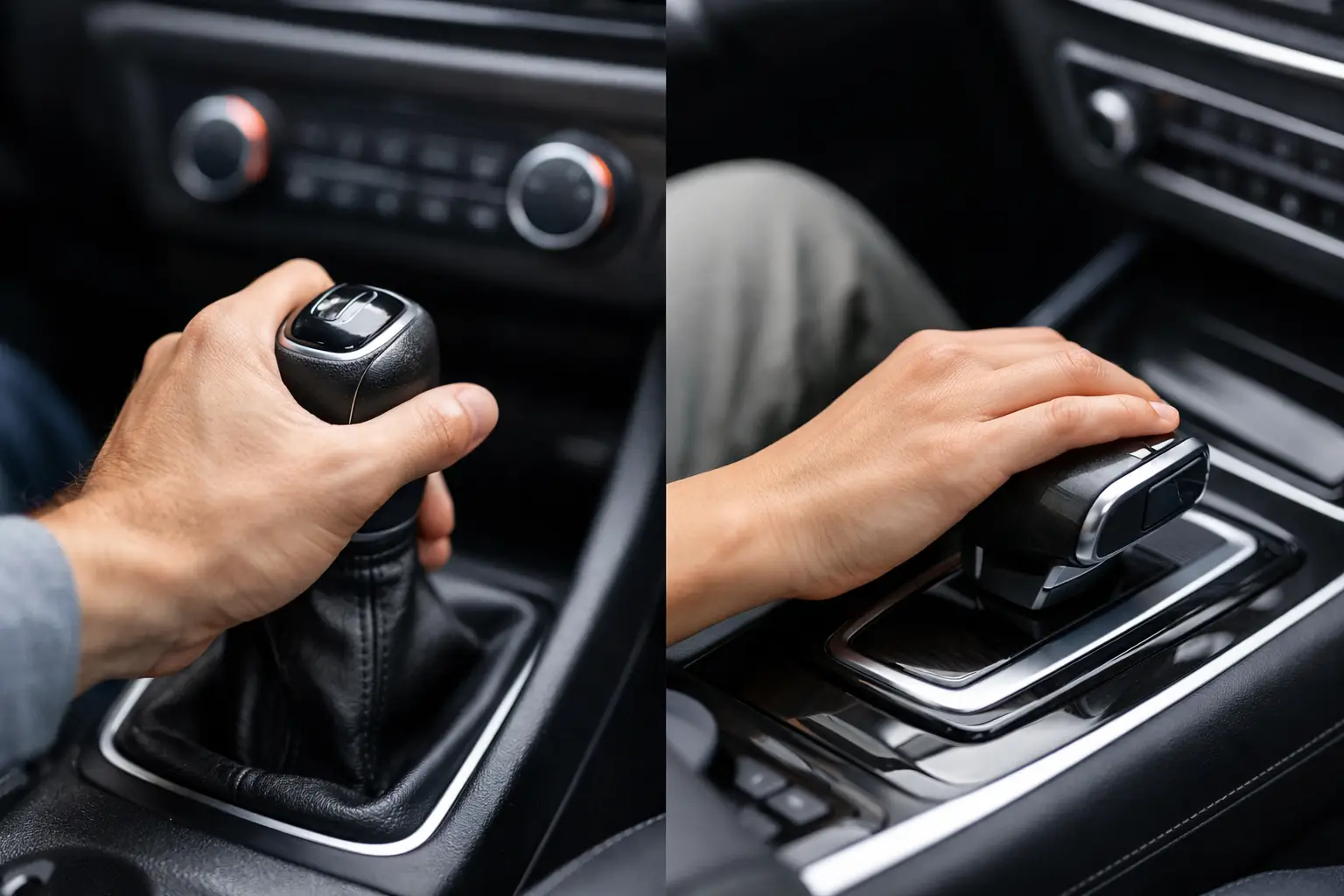
Yes, learners can absolutely take the G2 test in an automatic vehicle. There is no rule preventing drivers from using automatic cars during their road test. Many beginners today prefer automatic vehicles because they are easier to manage and require less coordination compared to manual cars. Automatic vehicles remove the need to shift gears or control a clutch, allowing drivers to focus entirely on steering, speed control, and road awareness. This makes Automatic Driving Lessons a popular choice among first time drivers who want to build confidence quickly.

Choosing Automatic Driving Lessons Ottawa also helps reduce anxiety during training. When learners feel comfortable with their vehicle, they are more likely to perform well during their test. AUTOZ Driving School provides well maintained automatic vehicles that allow students to focus on safe driving techniques rather than complicated mechanical tasks.

Advantages of Taking Automatic Driving Lessons Before Your G2 Test

Automatic vehicles offer several benefits that make them ideal for beginner drivers. These advantages help learners stay relaxed and focused throughout their training journey.

Easier Vehicle Control

Automatic vehicles are simple to operate because they do not require manual gear shifting. This reduces the number of tasks a beginner must handle at once. During Automatic Driving Lessons, learners can concentrate on steering and controlling speed without worrying about gear changes. This simplified control allows learners to become comfortable behind the wheel faster. As confidence grows, driving becomes smoother and more predictable. Students at AUTOZ Driving School often find that automatic training allows them to progress steadily without feeling overwhelmed.

Improved Focus on Road Safety

Safety is the foundation of every driving lesson. Without the distraction of gear shifting, learners can focus on observing traffic, checking mirrors, and reacting to road signs. Through Automatic Driving Lessons Ottawa, students develop strong observation habits that help them avoid common mistakes. These habits become especially valuable during the G2 test, where examiners carefully evaluate awareness and reaction time.

Faster Confidence Building

Confidence is one of the most important factors in driving success. Automatic vehicles make the learning process smoother, allowing beginners to feel comfortable sooner.

Regular practice through Automatic Driving Lessons builds familiarity with real traffic situations. Over time, learners feel more relaxed and capable of handling everyday driving challenges.

Skills You Will Learn During Automatic Driving Lessons

Professional training focuses on teaching practical skills that prepare learners for real road conditions. Each lesson is carefully designed to build ability step by step.

Basic Driving Techniques

During the early stages of Automatic Driving Lessons Ottawa, students learn how to start and stop smoothly. They practice steering control and learn how to maintain proper lane position. These basic techniques create the foundation for safe driving. With guidance from AUTOZ Driving School, learners understand how to manage their vehicle with confidence and accuracy.

Parking and Turning Skills

Parking is one of the most challenging parts of driving for beginners. Structured lessons provide step by step guidance on performing parallel parking, reverse parking, and three point turns. Repeated practice during Automatic Driving Lessons helps students master these skills and feel confident when performing them during their G2 test.

Defensive Driving Strategies

Defensive driving teaches learners how to anticipate risks and respond safely to unexpected situations. Students learn how to maintain safe following distances, recognize hazards, and react calmly to sudden changes in traffic. These strategies are a key focus of Automatic Driving Lessons Ottawa, helping drivers develop the awareness needed to avoid accidents and stay safe on busy roads.

Does Learning Automatic Affect Your Future Driving Options

Many learners wonder whether learning in an automatic vehicle limits their future choices. In reality, automatic vehicles are widely used today, and many drivers continue using them long after passing their tests.

Passing the G2 test after completing Automatic Driving Lessons allows drivers to operate automatic vehicles without restriction. Since automatic cars are common in modern transportation, this choice remains practical for daily driving.

At AUTOZ Driving School, instructors focus on teaching universal driving skills such as awareness, judgment, and decision making. These abilities apply to all vehicle types, ensuring that learners develop strong driving habits regardless of their vehicle preference.

Common Mistakes to Avoid When Taking the G2 Test

Preparation is essential for success during the G2 road test. Avoiding common mistakes can significantly improve the chances of passing on the first attempt.

Lack of Mirror Checks

One of the most frequent mistakes involves forgetting to check mirrors regularly. Examiners expect drivers to observe their surroundings before making any movement. Regular practice during Automatic Driving Lessons Ottawa helps learners build consistent mirror checking habits.

Improper Speed Control

Driving too fast or too slow can lead to test failure. Maintaining the correct speed shows confidence and awareness of road rules.Through structured Automatic Driving Lessons, students learn how to adjust speed according to road conditions and traffic flow.

Poor Parking Technique

Parking errors are another common issue. Practicing parking regularly improves precision and control. At AUTOZ Driving School, instructors provide repeated parking practice to ensure students feel comfortable performing these tasks during their test.

How Automatic Driving Lessons Ottawa Prepare You for the G2 Test

Preparation involves more than learning basic skills. It requires understanding how to apply those skills under real test conditions.

Structured lesson plans ensure that learners practice essential maneuvers repeatedly. Instructors observe performance closely and provide feedback after each session. This approach allows students to correct mistakes early and improve steadily.

Mock road tests are often included as part of Automatic Driving Lessons Ottawa. These practice tests simulate real exam conditions, helping learners feel prepared and confident on the actual test day.

At AUTOZ Driving School, the goal is to build reliable driving habits that remain useful long after the test is complete.

Why Choose AUTOZ Driving School for Automatic Driving Lessons

Choosing a trusted training provider makes a significant difference in the learning experience. AUTOZ Driving School offers a modern approach to Automatic Driving Lessons Ottawa, combining professional instruction with flexible scheduling. Experienced instructors understand the challenges beginners face and provide clear guidance at every stage. Lessons are designed to progress at a comfortable pace, ensuring that learners fully understand each skill before moving forward.

The vehicles used during Automatic Driving Lessons are carefully maintained, providing a safe and comfortable learning environment. This focus on quality training helps students feel confident and prepared for their G2 road test.

Tips to Pass Your G2 Test After Automatic Driving Lessons

Preparation does not end with completing lessons. Following simple strategies can improve performance on test day.

Practice in Different Traffic Conditions

Driving in various environments helps learners adapt to changing situations. Exposure to different traffic levels builds confidence and improves reaction time.

Stay Calm and Focused During the Test

Remaining calm helps drivers think clearly and make better decisions. Taking slow breaths and staying focused reduces nervousness.

Review Basic Driving Rules

Refreshing knowledge about road signs and traffic laws ensures that learners remain confident during their test.

Take a Mock Test

Simulated practice tests help learners understand what to expect. This preparation makes the real G2 test feel more familiar and manageable.

Final Thoughts

Taking the G2 road test after completing Automatic Driving Lessons Ottawa is not only possible but also highly effective for many beginner drivers. Automatic vehicles simplify the learning process, allowing students to focus on road awareness, safety, and confidence. With structured guidance and consistent practice through Automatic Driving Lessons, learners build the skills needed to succeed during their road test. By choosing AUTOZ Driving School, students gain access to professional training, flexible scheduling, and supportive instruction that prepares them for real world driving success. Completing Automatic Driving Lessons Ottawa with a trusted provider ensures that learners move forward with confidence and readiness for their G2 test and beyond.

G2 Driving Lessons

How G2 Driving Lessons Prepare You for Test Day Success

Passing your G2 road test in Ottawa is a milestone that opens the door to independent driving and greater freedom. While many learners underestimate the preparation required, structured training can make all the difference. G2 Driving Lessons In Ottawa from AUTOZ Driving School are designed to ensure that every student is confident, competent, and ready to tackle the road test successfully. By focusing on practical skills, real-world scenarios, and personalized instruction, these lessons help learners transform nervous energy into smooth driving performance.

Understanding the G2 Road Test in Ontario

Before diving into the benefits of professional lessons, it’s essential to understand what the G2 test evaluates. The G2 road test assesses a learner’s ability to control a vehicle safely, follow traffic rules, and navigate various driving situations confidently.

What the G2 Test Evaluates

During the G2 test, examiners look at your:

  • Vehicle control, including proper handling of brakes, accelerator, and steering
  • Lane discipline and signaling for turns and lane changes
  • Observance of traffic signs, signals, and right-of-way rules
  • Awareness of hazards and ability to make safe driving decisions

Common Reasons Students Fail

Many learners underestimate the G2 test challenges, resulting in avoidable mistakes such as:

  • Improper lane changes or failure to check mirrors properly
  • Rolling stops at intersections
  • Hesitation or poor judgment in complex traffic situations
  • Nervous mistakes due to lack of practice

By enrolling in G2 Driving Lessons, students can practice these skills repeatedly under expert supervision, drastically reducing the chances of failure.

What Are G2 Driving Lessons?

G2 Driving Lessons In Ottawa are structured programs offered by professional driving schools like AUTOZ Driving School. These lessons go beyond simple driving instruction and focus on preparing students for real test scenarios and everyday driving.

Structured In-Car Training

Professional G2 Driving Lessons focus on building skills step by step. Students start with basic maneuvers, gradually advancing to complex tasks such as parallel parking, three-point turns, and highway driving. Instructors provide immediate feedback, helping learners correct mistakes before they become habits.

Mock G2 Test Lessons

Simulating the actual G2 test is a key component of preparation. G2 Test Lessons offered by AUTOZ Driving School allow students to experience the pressure of test conditions in a safe and supportive environment. These mock sessions help learners anticipate challenges and refine their skills, ensuring they are ready for the real test.

How G2 Driving Lessons Build Confidence

Confidence is just as important as skill when it comes to passing the G2 test. G2 Driving Lessons In Ottawa build self-assurance by emphasizing repetition, safety, and mastery of essential driving techniques.

Repetition of Key Driving Skills

Through structured lessons, learners practice crucial skills such as:

  • Parallel parking and reverse maneuvers
  • Lane discipline and smooth lane changes
  • Safe stopping techniques at intersections and crosswalks
  • Proper signaling and scanning for hazards

Repeated practice under the guidance of professional instructors ensures that these actions become second nature.

Reducing Test Anxiety

Many learners fail not because they lack skill, but because they struggle with nervousness during the test. G2 Test Lessons simulate the examination environment, helping students stay calm and composed. Instructors provide real-time feedback, boosting confidence and reducing anxiety before the test day.

Real-World Driving Experience in Ottawa

A major advantage of G2 Driving Lessons In Ottawa is exposure to real traffic conditions. Learners practice on busy intersections, residential streets, and even highways, gaining experience that classroom instruction alone cannot provide.

AUTOZ Driving School uses local test routes for G2 practice, helping students familiarize themselves with the exact areas they might encounter during the exam. This practical experience ensures smoother performance and better decision-making under pressure.

Mistakes You Can Avoid with Professional G2 Driving Lessons

Professional instruction helps learners avoid common mistakes that cost marks during the test:

  • Overconfidence leading to careless errors
  • Poor mirror checks and lane awareness
  • Inconsistent speed control
  • Weak hazard observation

By learning under the supervision of certified instructors, students can correct these habits early, increasing their chances of passing on the first attempt.

Why Last-Minute Cramming Does Not Work

Some learners attempt to cram lessons right before the test, but this approach is rarely effective. Gradual learning over several sessions helps reinforce muscle memory and safe driving habits. G2 Test Lessons provide spaced practice, ensuring that skills are deeply ingrained rather than temporarily recalled.

For more strategies on test preparation, check out our Step-by-Step Driving Test Preparation Guide for Ottawa Learners.

Why Choose AUTOZ Driving School for G2 Driving Lessons

There are many driving schools in Ottawa, but AUTOZ Driving School stands out for several reasons:

  • Certified and experienced instructors who focus on individual learning needs
  • Modern, well-maintained vehicles for safe practice
  • Flexible scheduling to accommodate students’ availability
  • Personalized lesson plans tailored to test requirements
  • Strong track record of student success on G2 tests

Choosing the right driving school can make a significant difference in skill development and confidence levels. With G2 Driving Lessons In Ottawa from AUTOZ Driving School, learners receive comprehensive training designed to maximize their success.

Who Should Take G2 Test Lessons

G2 Test Lessons are beneficial for:

  • First-time G2 applicants
  • Drivers who previously failed the test
  • Learners with anxiety or nervousness behind the wheel
  • International drivers adapting to Canadian driving rules

By addressing individual challenges, AUTOZ Driving School ensures that every student is prepared to succeed.

Conclusion

Preparing for the G2 road test requires more than basic driving skills. G2 Driving Lessons In Ottawa provide structured, practical, and confidence-building training that significantly improves test performance. With G2 Test Lessons from AUTOZ Driving School, learners gain the skills, knowledge, and assurance needed to pass with confidence. Whether you are a first-time driver or retaking the G2 test, professional instruction from AUTOZ Driving School is your key to success. Book your G2 Driving Lessons today and take the first step toward safe, confident, and independent driving.

For additional guidance, you can also read our Top Mistakes to Avoid During Driving Test Preparation in Ottawa blog to ensure a smoother preparation journey.

Private Lessons for G2 Test Ottawa

How Private Lessons for G2 Test Ottawa Help Beginners Gain Confidence on the Road

Learning to drive is one of the most exciting milestones in life, but it can also feel overwhelming for beginners. In Ontario’s licensing system, the G2 test is the step that allows drivers to start driving independently. For many new drivers in Ottawa, the challenge isn’t just learning the rules of the road, but building the confidence to apply them in real-world situations. This is where Private Lessons for G2 Test Ottawa can make all the difference. AUTOZ Driving School has designed private G2 lessons to help learners develop the skills, confidence, and safe driving habits that make passing the test less stressful and driving in everyday life much safer.

Understanding the G2 Driving Test in Ottawa

The G2 test is more than just a box to check—it’s a real assessment of how ready you are to drive without supervision. During the test, examiners focus on several key skills:

  • Proper lane changes and merging with traffic
  • Smooth parallel parking and three-point turns
  • Safe handling of intersections and stop signs
  • Awareness of blind spots, pedestrians, and cyclists

Many new drivers fail the G2 test not because they don’t know the rules, but because they panic under pressure. The ability to stay calm and confident while demonstrating safe driving skills is just as important as technical knowledge. That’s why private lessons play a major role in preparing beginners.

Benefits of Private G2 Lessons for Beginners

One of the biggest advantages of choosing Private Lessons for G2 Test Ottawa is the personalized approach. Every learner has different strengths and weaknesses, and private lessons allow instructors to focus on what matters most to you.

Here are some of the top benefits:

  • One-on-one training: Personalized feedback helps correct mistakes faster.
  • Flexible scheduling: Lessons are arranged at times that fit your availability.
  • Focused learning environment: Without other students in the car, you get the instructor’s full attention.
  • Local expertise: Instructors know Ottawa test routes and can prepare you for what to expect.

This customized training often results in faster progress compared to group lessons or self-practice alone.

Building Confidence Through Focused Practice

Confidence is the secret ingredient in passing your G2 test. Even if you know the mechanics of driving, hesitation or nervousness can lead to small mistakes that cost you the test.

Private lessons help reduce that anxiety by giving you repeated, focused practice in challenging areas like:

  • Parallel parking without second-guessing yourself
  • Safely merging onto highways and handling higher speeds
  • Smoothly navigating busy intersections with pedestrians and cyclists around
  • Developing calm reactions in high-pressure situations

When you practice these skills in a structured and supportive environment, you start trusting your abilities. By the time test day arrives, you’re not just performing tasks—you’re driving with confidence.

Road Safety Skills Gained from Private Lessons

Beyond passing the test, private lessons emphasize the most important aspect of driving: safety. At AUTOZ Driving School, instructors teach you how to make safety second nature.

Key road safety skills include:

  • Defensive driving: Anticipating the actions of other drivers to avoid collisions.
  • Proper speed control: Learning to adapt speed depending on traffic and road conditions.
  • Blind spot checks: Making this a habit before every lane change.
  • Signal use: Communicating clearly with other drivers at every turn.
  • Emergency preparation: Knowing how to respond to sudden stops or unexpected hazards.

These lessons not only help you pass the G2 test, but also make you a responsible driver long after the exam is over.

How AUTOZ Driving School Supports G2 Learners

AUTOZ Driving School understands that each student’s journey to earning their license is unique. That’s why their Private Lessons for G2 Test Ottawa are built around a learner-first approach.

What sets AUTOZ apart:

  • Skilled instructors: Certified professionals with deep knowledge of Ottawa’s test routes.
  • Flexible packages: Options that suit beginners needing more practice or those looking for quick refreshers.
  • Car rentals for tests: AUTOZ also provides test-ready vehicles for learners who may not have access to their own.
  • Tailored strategies: Lessons that prepare you not just for the test, but for safe everyday driving.

Success Stories and Student Outcomes

Many learners who chose private lessons at AUTOZ Driving School noticed a significant improvement in both their skills and confidence. For example:

  • Students who struggled with parallel parking reported mastering it after just a few focused lessons.
  • Nervous drivers who hesitated at intersections learned to approach them calmly and with better judgment.
  • Several students passed their G2 test on the first attempt after practicing with AUTOZ instructors.

These success stories prove that private lessons do more than prepare you for test day—they prepare you for life on the road.

Why Confidence Matters for Beginners

Confidence is more than a feeling—it directly impacts how you drive. A confident driver makes decisions quickly, reacts calmly to sudden changes, and feels comfortable behind the wheel.

For beginners, this matters because:

  • Less hesitation: You won’t second-guess your decisions at intersections or during lane changes.
  • Better focus: Confidence frees your mind from nervousness, allowing you to concentrate fully on the road.
  • Independence: Once you pass your G2, you’ll feel ready to drive alone without constant stress.

By choosing private lessons, you’re not just learning skills—you’re building the mindset of a capable driver.

Enrolling in Private G2 Lessons with AUTOZ Driving School

Signing up for private lessons at AUTOZ is simple and accessible. Here’s how you can get started:

  1. Explore lesson packages: Choose the option that best suits your needs, whether it’s a refresher or a full beginner package.
  2. Book your sessions: Select flexible times that work with your schedule.
  3. Take your lessons: Practice with expert instructors who provide constructive feedback.
  4. Prepare for the test: Use a test-ready rental car if needed, ensuring you’re fully equipped for success.

Investing in Private Lessons for G2 Test Ottawa is one of the smartest steps you can take to pass faster and become a safer driver.

For more insight into preparing for advanced tests, read our blog: How Car Rentals Can Help You Pass the G Driving Test in Ottawa.

Conclusion

Passing your G2 test is a big step toward independence, and the right preparation makes all the difference. Choosing Private Lessons for G2 Test Ottawa gives beginners the chance to learn at their own pace, build confidence, and master safe driving habits. AUTOZ Driving School is committed to helping learners not only pass the test, but also become confident drivers who feel at ease on Ottawa’s roads. If you’re ready to take control of your driving journey, book your private G2 lessons with AUTOZ today and experience the confidence that comes with expert training.

G2 Driving Lessons in Ottawa

Why You Should Take Professional G2 Driving Lessons in Ottawa

Getting your G2 license is one of the most exciting milestones in Ontario’s graduated licensing system. It gives you the freedom to drive independently, but it also comes with the responsibility of handling real-world traffic situations safely. Many learners face challenges when preparing for their G2 test, and while some rely solely on practice with friends or family, investing in G2 Driving Lessons in Ottawa can make all the difference. With the right instruction, you not only boost your chances of passing on the first attempt but also develop lifelong driving habits that keep you and others safe. AUTOZ Driving School has built a strong reputation for helping learners reach their driving goals with confidence, and their professional lessons are designed to prepare you for both the road test and real-world driving.

Understanding the G2 License in Ontario

The G2 license is the second stage of Ontario’s graduated licensing program. Once you pass your G2 test, you gain the ability to drive on your own without a fully licensed driver in the passenger seat. However, some restrictions remain in place, such as maintaining a blood alcohol level of zero and, for younger drivers, limits on the number of teenage passengers at night. Passing this stage is critical because it moves you closer to the full G license while also providing the independence you’ve been waiting for. But since examiners carefully assess your ability to handle a variety of driving scenarios, proper preparation is key. That’s where G2 Driving Lessons in Ottawa come into play.

Common Challenges Beginners Face in G2 Preparation

Learning to drive is exciting, but it can also be overwhelming. Ottawa learners often struggle with:

  • Nerves and anxiety on test day that impact decision-making.
  • Parallel parking and three-point turns, which require precision under pressure.
  • Lane changes and merging on highways, especially in busy traffic.
  • Unfamiliarity with Ottawa’s test routes, where specific tricky areas can catch unprepared drivers off guard.

These challenges can make even confident learners doubt themselves. Professional lessons help bridge these gaps by offering hands-on, structured practice that directly targets these problem areas.

Benefits of Professional G2 Driving Lessons in Ottawa

Enrolling in professional training comes with several advantages that go beyond simply preparing for the road test:

Personalized Instruction

Every learner is different. Professional instructors design lessons that match your strengths and work on your weaknesses. Whether you need more practice with city traffic or highway driving, lessons can be tailored to your needs.

Expert Guidance

Certified instructors at AUTOZ Driving School know Ottawa’s roads and common testing routes. Their insight helps learners anticipate the challenges they may encounter during the test.

Confidence Building

Driving independently can feel intimidating. Professional lessons build confidence by gradually introducing learners to complex scenarios like multi-lane traffic or rush-hour driving.

Road Safety Skills

Beyond just passing the test, you’ll learn defensive driving techniques, hazard awareness, and how to apply road rules consistently. These skills are essential for long-term safety.

How Professional Lessons Increase Test Success Rate

One of the biggest advantages of G2 Driving Lessons in Ottawa is the higher success rate. Learners who train with professionals are less likely to make common mistakes such as failing to shoulder check, rolling stops, or improper lane changes. Instructors correct these habits before the test, which makes examiners more likely to see you as a safe, capable driver. Structured practice also ensures you’re ready for anything the examiner might throw your way. This preparation reduces stress, allowing you to perform calmly and confidently.


The Role of AUTOZ Driving School in G2 Preparation

AUTOZ Driving School is dedicated to helping learners succeed at every stage of Ontario’s licensing system. When preparing for your G2 test, their programs include:

  • Comprehensive lesson packages designed to cover all test requirements.
  • Flexible scheduling to fit your busy lifestyle.
  • Access to test car rentals, so you can take your exam in a vehicle you’ve already practiced with.
  • Experienced instructors who provide feedback tailored to your driving style.

By choosing AUTOZ Driving School, you’re not just investing in passing your test. You’re building confidence, safety, and independence on the road.

Student Success Stories and Testimonials

Many learners in Ottawa have shared how professional training changed their driving journey. Some entered the program with nerves and little confidence but went on to pass on their first attempt thanks to consistent guidance. Others highlighted how their instructors helped them master parking or highway driving, which were once their biggest weaknesses.

These stories are proof that with the right support, every learner can succeed.

Tips for Getting the Most Out of G2 Driving Lessons

To maximize the value of your training:

  • Practice regularly between lessons to reinforce what you’ve learned.
  • Ask questions if you’re unsure about any maneuver or rule.
  • Seek feedback and focus on correcting habits early.
  • Stay positive, even if you make mistakes. Every error is a learning opportunity.

For more insights on building strong driving habits, you can read our guide on Why Driving Education in Ottawa is Important for Road Safety.

Why Investing in Professional Lessons is Worth It

Some learners hesitate to invest in professional instruction because of the cost. However, the value goes far beyond the price:

  • Avoid repeated test failures, which cost both time and money.
  • Develop safe habits that protect you long after the test.
  • Gain independence faster, instead of delaying your driving freedom.
  • Peace of mind for parents and guardians knowing you’re properly trained.

Professional lessons are not just about passing an exam—they’re about building a foundation for safe driving that lasts a lifetime.

Conclusion

Preparing for your G2 test is one of the most important steps in your driving journey. While practicing with friends or family helps, enrolling in G2 Driving Lessons in Ottawa gives you the expert guidance, confidence, and road safety skills you need to succeed. AUTOZ Driving School is here to support you with flexible lessons, experienced instructors, and proven results. Don’t leave your success to chance—book your G2 lessons today with AUTOZ Driving School and take the next step toward safe, independent driving.

G Driving Test Preparation in Ottawa

How Car Rentals Can Help You Pass the G Driving Test Preparation in Ottawa

Passing the G driving test is one of the biggest milestones for drivers in Ontario. It represents independence, freedom, and the ability to drive anywhere without restrictions. However, preparing for the G test can be stressful, especially when it comes to arranging the right car. That is where car rental G test preparation in Ottawa becomes the smartest solution for learners. By choosing a rental car that meets all requirements and provides comfort and safety, you set yourself up for success on test day. In this guide, we’ll explore why renting a car is such a game-changer, how it improves performance, and why AUTOZ Driving School is the trusted choice for Ottawa learners.

Why the Right Car Matters for the G Driving Test

The Ministry of Transportation has strict requirements for the car you use during the G test. The vehicle must be fully functional with working seat belts, brakes, lights, signals, and a clean interior. If your car does not meet these standards, you could risk having your test cancelled. Many learners rely on borrowing a car from family or friends, but that can come with challenges. The vehicle might be too large, difficult to handle, or simply unfamiliar. On the other hand, a test-ready rental car ensures everything works properly and is designed with learners in mind. This not only helps you feel more confident but also guarantees you won’t face unnecessary stress before your exam.

Advantages of Choosing a Car Rental for G Test Preparation

Opting for a car rental G test preparation in Ottawa comes with several practical advantages:

  • Safety-checked and insured vehicles – Every rental is inspected and insured, so you do not need to worry about unexpected issues.
  • Stress-free convenience – No need to ask friends or family for favours. You have full control over your test day arrangements.
  • Easy-to-maneuver options – Rentals are typically smaller, reliable cars that make parallel parking, lane changes, and highway merging easier.
  • Practice flexibility – You can rent the car ahead of time and use it for practice sessions before the test.

With these benefits, renting a car becomes more than just an option—it becomes an advantage that can boost your performance.

How Car Rentals Improve Test Performance

Confidence plays a huge role in driving test results. When you’re behind the wheel of a car you know and trust, your stress levels naturally drop. Here’s how renting a car helps you perform better:

  1. Familiarity with the car – Practising in the same car you’ll use for the test helps you understand the steering, brakes, and blind spots.
  2. Reduced anxiety – A reliable rental eliminates last-minute surprises like mechanical issues or dashboard warnings.
  3. Focused preparation – You can practice specific skills such as three-point turns, highway merging, and parking in the same vehicle before your test.
  4. Improved confidence – With fewer worries about the car, you can focus entirely on your driving.

AUTOZ Driving School even allows learners to combine rentals with refresher lessons, which means you can practice under the guidance of a professional instructor right before your test.

Why Choose AUTOZ Driving School for G Test Car Rentals

When it comes to car rental G test preparation in Ottawa, AUTOZ Driving School stands out for its reliable services. Here’s why:

  • Test-ready vehicles – All cars meet the Ministry’s requirements.
  • Refresher lessons available – Add a last-minute lesson with a professional instructor before your test.
  • Trusted by learners – AUTOZ has built a reputation in Ottawa as one of the most reliable driving schools for learners at every stage.
  • Flexible options – Whether you need the car for a few hours or for practice in advance, AUTOZ adapts to your needs.

Choosing AUTOZ Driving School means you’ll not only have a dependable car but also a team that genuinely wants to see you succeed.

Step-by-Step Process of Booking a Car Rental for G Test

If you’re new to the idea of renting a car for your G test, here’s how simple the process is:

  1. Reserve in advance – Contact AUTOZ Driving School to book your rental. It’s best to do this as soon as you book your G test date.
  2. Add a refresher lesson if needed – Many learners choose to take a quick warm-up lesson right before the test.
  3. Bring required documents – On the day of your test, carry your license, test confirmation, and rental agreement.
  4. Arrive early – Pick up the car and get familiar with it before your test begins.
  5. Focus on driving – With the car handled, you can fully concentrate on showing the examiner your skills.

This step-by-step approach makes the process smooth and stress-free.

Additional Tips for Passing the G Test in Ottawa

Along with booking a car rental, here are a few extra tips that can help you pass your G test:

  • Arrive early to calm your nerves and prepare mentally.
  • Know the test routes in Ottawa so you are not caught off guard.
  • Practice defensive driving habits like proper mirror checks and smooth lane changes.
  • Stay calm under pressure – Remember, small mistakes won’t automatically fail you.

When you combine these habits with a reliable car rental for G test preparation in Ottawa, your chances of success increase significantly.

Conclusion

Booking a car rental G test preparation in Ottawa is more than just a convenience—it’s a smart strategy that helps learners perform at their best. By eliminating stress, ensuring safety, and providing a reliable vehicle, rentals allow you to focus on what matters most: driving with confidence. AUTOZ Driving School makes the process simple, offering test-ready cars, flexible rental options, and the support of professional instructors. With the right preparation, you can walk into your G test feeling fully ready to succeed. If you are preparing for your G test soon, contact AUTOZ Driving School today to book your rental and take the next confident step toward becoming a fully licensed driver.