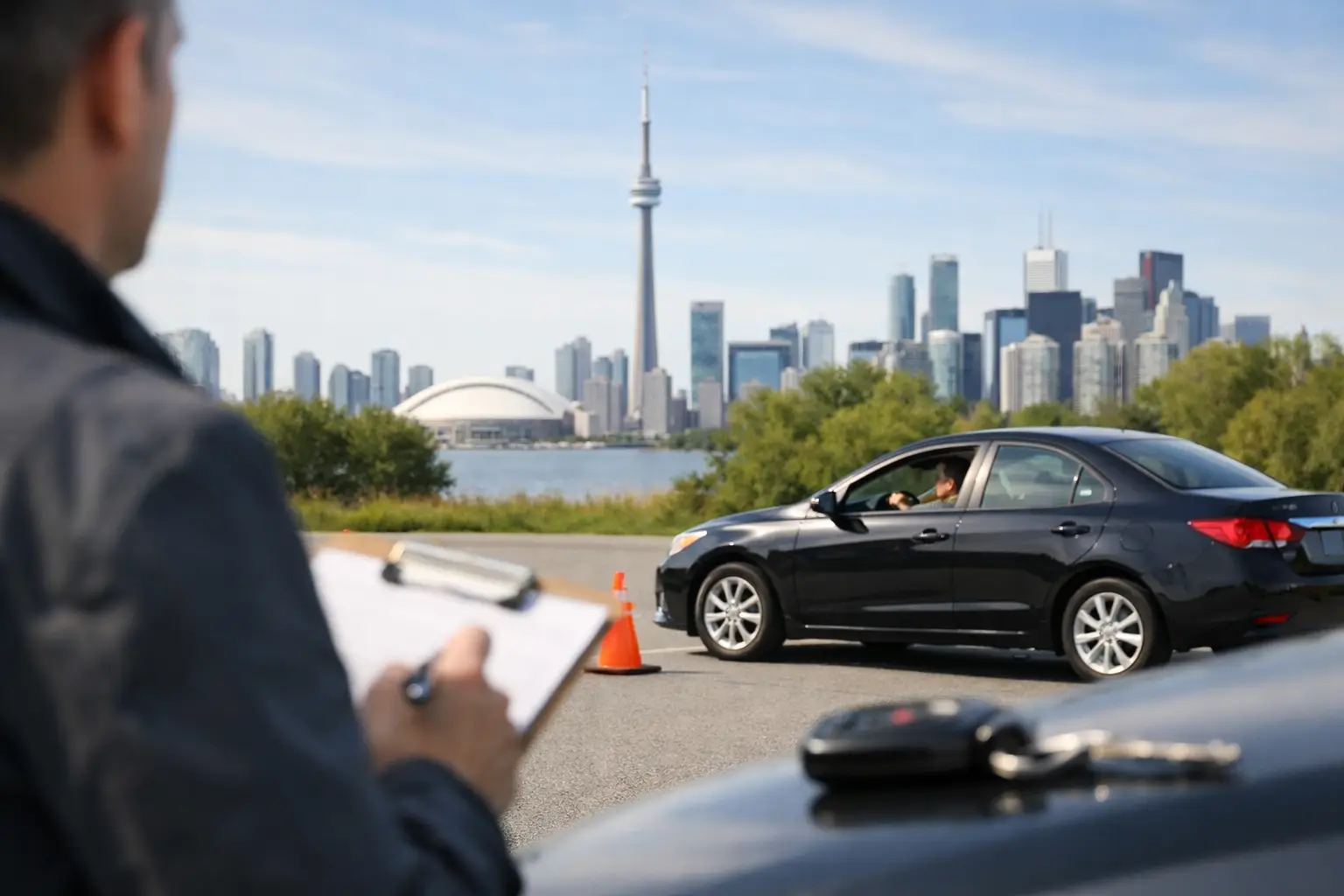
If you are asking when to take G road test, the real question is usually this: are you just eligible, or are you actually ready to pass? Those are not always the same thing. A lot of drivers book the test the moment they can, then realize too late that highway driving, lane changes, and speed control under pressure feel very different when an examiner is in the car.
The good news is that timing your G test well can make a big difference. The best test date is not simply the earliest one available. It is the point where your experience, confidence, and habits are strong enough that the road test feels familiar instead of stressful.
When to take G road test after your G2
In Ontario, most drivers can take the G test after holding a G2 for at least 12 months. That is the legal minimum. But the better answer to when to take G road test is this: take it once you have enough consistent driving experience in the exact skills the examiner will assess.
For many drivers, that means waiting until they have spent real time on highways, not just short trips around local streets. The G test is designed to confirm that you can drive independently and safely at higher speeds, merge properly, change lanes with control, and make good decisions without coaching.
If you only drive occasionally, the 12-month mark may come before you are truly prepared. If you drive several times a week in mixed conditions, you may be ready right around your eligibility date. It depends on the quality of your practice, not just the calendar.
The best time to book your G test
There is no single perfect month or day for every driver, but there are patterns that help.
Booking too early can lead to a failed attempt, extra fees, and more anxiety the next time. Waiting too long can also create problems, especially if your license is getting close to expiry or your driving routine has become inconsistent. The sweet spot is when your skills are fresh and repeatable.
A good rule is to book your test when you can already perform core G test skills calmly on most drives. You should not be hoping for a lucky route or an easy examiner. You should be able to handle normal traffic, highway merging, lane changes, and intersections without needing reminders.
For many students, that means booking the test two to six weeks after focused preparation begins. That window gives you time to sharpen weak spots without losing momentum.
Morning or afternoon?
Morning appointments can work well if you are alert early and prefer to get the test done before the day builds up stress. Mid-morning often gives you a balanced traffic flow without the heaviest rush-hour pressure.
Afternoon tests may suit drivers who need more time to settle in, but traffic can be less predictable depending on the area. If you know you get nervous when roads are busy, avoid times that regularly overlap with commuting peaks.
Summer or winter?
Some drivers assume summer is always better, but that is not automatically true. Clear roads can help, yet summer construction, heavier traffic, and more pedestrians can add pressure. Winter may mean tougher weather, but if you are practiced and alert, that alone should not stop you.
The best season is the one where you have had enough recent practice in the conditions you are likely to face.
Signs you are ready for the G road test
The clearest sign of readiness is consistency. You are not ready because you had one good drive. You are ready when good habits show up every time.
You should be comfortable entering highways at the correct speed, checking mirrors and blind spots naturally, and choosing safe gaps without hesitation. Your steering should be smooth, your braking controlled, and your speed steady. You should also be able to follow directions while still paying attention to the road instead of getting mentally overloaded.
Another strong sign is that feedback from an experienced instructor is getting more detailed rather than basic. If you are no longer hearing reminders about scanning, lane discipline, or observation, and instead getting small corrections on timing or polish, you are getting close.
Nerves are normal. In fact, almost everyone feels them. Readiness does not mean feeling zero anxiety. It means your skills remain solid even when you are under pressure.
Signs you should wait a bit longer
If highway driving still feels rushed, that matters. The G test is not the place to figure out how merging works in real traffic.
You may want to delay your booking if you still do any of the following regularly: brake suddenly, miss blind-spot checks, drift in the lane, hesitate too long during lane changes, or struggle to match highway speed. These are not small details. They are exactly the kinds of issues that can lead to mistakes on test day.
Another warning sign is relying too much on familiar roads. If you drive well only in your own neighborhood but become uncertain in new areas, more practice will help. The examiner is looking for a driver who can adapt, not one who performs well only on a memorized route.
What experience matters most before the G test
A lot of drivers ask how many hours they need. There is no magic number that guarantees a pass. Still, certain types of experience matter much more than others.
Highway practice is essential. You should have enough time at higher speeds to feel normal there, not tense and reactive. Practice merging onto highways, maintaining proper following distance, changing lanes smoothly, and exiting without cutting speed too early.
You also need regular city driving. The G test is not only about highways. You still need to show strong observation at intersections, proper turns, speed control, lane positioning, and judgment around other road users.
Driving in different traffic conditions helps too. If all your practice happens on quiet roads at quiet times, test-day traffic can feel overwhelming. Variety builds confidence.
Why many drivers fail even when they think they are ready
The biggest reason is overestimating comfort as competence. Feeling relaxed behind the wheel is helpful, but it does not always mean your habits are test-ready.
Some drivers have been driving for a long time with a G2 and assume experience alone will carry them through. Then they lose marks for observation, incomplete stops, weak lane changes, or poor highway speed adjustment. Familiarity can hide mistakes if no one has corrected them.
Another common issue is lack of recent practice. If your test is booked but you have not driven consistently in the week or two before it, your timing and confidence may feel off. Skills fade faster than people expect.
This is why a focused refresher with a qualified instructor can make such a big difference. It is not just about practice. It is about catching the habits that you may not notice on your own.
When to take G road test if you feel nervous
If anxiety is your main concern, do not wait forever hoping the fear disappears on its own. That usually does not happen. Confidence grows from preparation, repetition, and knowing what the test will actually involve.
A better approach is to build toward a test date with structure. Practice the route types you will face. Work on the skills that create the most stress. Get feedback from someone who can tell you honestly whether you are ready. Once your performance is stable, book the test and keep the momentum going.
Waiting can help if you genuinely need more skill development. But delaying only because you are scared often makes the pressure bigger.
How to choose the right moment for your test
The best timing usually comes down to three things: eligibility, experience, and consistency. If you meet the legal waiting period, have solid recent highway and city driving practice, and can drive safely without frequent correction, you are likely close.
If one of those pieces is missing, give yourself a little more time. A few targeted lessons and a few weeks of focused driving can be far more valuable than rushing into a test just to get it over with.
For drivers in Ottawa, working with a school like Autoz Driving School can help remove the guesswork. A calm evaluation, local route familiarity, and honest feedback can tell you whether to book now or tighten up a few areas first. That kind of preparation saves time, money, and frustration.
A simple way to think about readiness
Ask yourself this: if the examiner asked you to drive on an unfamiliar route today, including highway sections, lane changes, and busy intersections, would you handle it with control and good judgment from start to finish? If the answer is yes most of the time, you may be ready. If the answer is maybe, keep practicing until maybe becomes routine confidence.
The right time to take your G test is not when you are tired of waiting. It is when your driving is steady enough that the test feels like a demonstration of skills you already own.