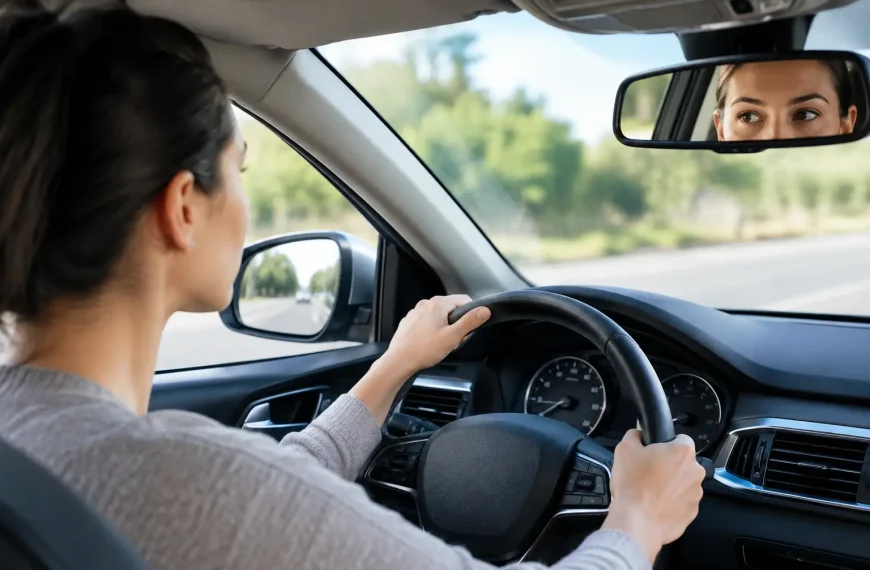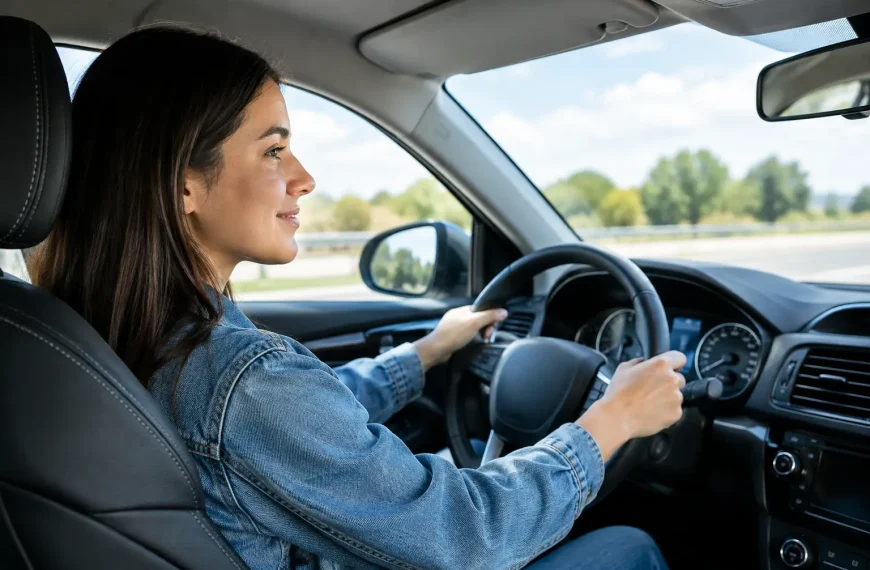
The first time you sit in the driver’s seat, even simple actions can feel like a lot. Mirrors, pedals, steering, signals, traffic, and the instructor beside you all demand attention at once. A good beginner driver lesson guide should make that first experience feel manageable, not overwhelming. The goal is not to rush you into busy traffic. It is to build calm, repeatable habits that make safe driving feel natural.
For new drivers in Ottawa, structured private lessons can replace guesswork with a clear plan. You will learn what to do, why it matters, and how to improve before small mistakes become stressful habits.
What Happens in Your First Driving Lesson?
Your first lesson is about getting comfortable with the vehicle and understanding its controls. A patient instructor should begin in a low-pressure area, such as a quiet residential street or empty parking lot, rather than putting you immediately into complicated intersections.
Before moving, you will learn how to adjust your seat, steering wheel, mirrors, and head restraint. These small setup steps matter because good positioning helps you see more, react sooner, and steer with control. You will also review the dashboard, turn signals, windshield wipers, headlights, parking brake, and gear selection.
Then comes the foundation: smooth starts, gentle braking, steering control, and looking where you want the vehicle to go. Most beginners initially focus too closely on the hood of the car or the vehicle directly ahead. Your instructor will help you look farther down the road, scan for hazards, and keep your hands and eyes working together.
Do not expect perfection on day one. A successful first lesson is one where you understand the basics, stay safe, and leave knowing exactly what to practice next.
The Skills Lessons Should Build Step by Step
Learning to drive works best when skills are introduced in a logical order. Trying to practice highway merging before you can consistently control speed, for example, usually creates anxiety instead of progress.
Vehicle control comes first
Early lessons focus on keeping the vehicle centered in the lane, maintaining steady speed, braking smoothly, and making controlled turns. You will also practice stopping at the correct position behind stop lines and crosswalks. These are the skills that support everything else you do on the road.
A common beginner mistake is turning too sharply or too late. Rather than memorizing a trick, learn to judge turns by looking ahead, reducing speed before the turn, and steering through it smoothly. This is safer and more reliable in unfamiliar areas.
Observation turns driving into decision-making
Safe drivers do more than operate a vehicle. They constantly observe, predict, and plan. Your instructor should teach a consistent scanning routine that includes mirrors, the road ahead, side streets, pedestrians, cyclists, and changing traffic signals.
This is especially important in Ottawa, where weather, construction, school zones, buses, and busy intersections can change the driving environment quickly. You do not need to react to every possible hazard at once. You need to develop the habit of noticing what is relevant early enough to respond calmly.
Parking and low-speed maneuvers need repetition
Parallel parking, three-point turns, roadside stops, backing up, and parking in a space often cause more nerves than higher-speed driving. The good news is that these skills improve quickly when they are practiced in a clear sequence.
Your instructor can break each maneuver into simple observation, positioning, steering, and speed-control steps. Practice until you understand the process, not just until you complete it once. Road test examiners look for control, awareness, and safe observation, not a flashy or rushed maneuver.
Busier roads and highway driving come later
Once you can control the vehicle and follow basic traffic rules, lessons can move to larger roads, lane changes, roundabouts, multi-lane intersections, and highway entrances and exits. These situations require stronger judgment because traffic moves faster and there is less time to correct hesitation.
Highway lessons should include entering at an appropriate speed, choosing a safe gap, checking mirrors and blind spots, maintaining space, and exiting with enough notice. The exact number of lessons needed depends on your experience, comfort level, and how often you practice between sessions.
How to Get More From Every Lesson
Driving progress is not about taking the most lessons possible. It is about using each lesson with purpose. Arrive rested, wear comfortable shoes, and keep your phone away. If you are nervous, say so at the beginning. A professional instructor needs that information to set a pace that challenges you without making the lesson unproductive.
At the start of each session, identify one or two priorities. Maybe you need smoother braking, better lane changes, or more confidence at four-way stops. Focused goals make feedback easier to remember and give you a clear way to measure improvement.
After the lesson, take a minute to write down what went well, what needs work, and any instructor reminders. For example: check the left mirror before braking, look through the turn, or begin the lane-change routine earlier. Short notes can stop you from repeating the same mistake at the next lesson.
Practice with a qualified accompanying driver when you can, but be selective about whose advice you follow. Different people may have different habits, and not all of them are test-ready or safe. Use your professional instruction as your baseline, especially for observation routines, right-of-way decisions, and road test standards.
A Beginner Driver Lesson Guide for Road Test Readiness
A road test is not a performance where you need to impress an examiner. It is a safety assessment. The examiner wants to see that you can operate the vehicle legally, predictably, and independently.
That means your preparation should go beyond practicing parking. You need consistent habits at every intersection: approach at a safe speed, scan thoroughly, stop completely where required, yield correctly, and proceed only when the path is clear. You also need to show that you can maintain proper lane position, follow speed limits, use signals early, and check mirrors and blind spots at the right moments.
Mock road tests are useful because they reveal what happens when you drive without continuous coaching. A good mock test should include realistic instructions, local road conditions, common test maneuvers, and honest feedback afterward. If you make an error, the point is not to feel discouraged. It is to identify whether the issue was knowledge, observation, speed control, or nerves.
Local route familiarity can help, but it should never replace real driving skill. Roads, traffic, weather, and examiner directions vary. Learn the patterns you may encounter around your test center, then focus on driving safely wherever the route leads.
Choosing Lessons That Fit Your Needs
Not every beginner needs the same lesson schedule. A teen who practices several times a week with family may benefit from targeted professional coaching. An adult learner returning after years away may need more time to rebuild confidence before entering busy traffic. A newcomer may understand driving well but need guidance on local signs, rules, and test expectations.
Look for instruction that is patient, clear, and personalized. You should know what is included, what skills you are working on, and what your next step is. Flexible scheduling also matters when school, work, or family obligations make regular practice difficult.
At Autoz Driving School, private in-car lessons are designed to meet drivers where they are, whether that means first-time basics, G2 preparation, full G test training, refresher practice, or road test vehicle support. The right plan should save time by targeting the skills that will make the biggest difference for you.
Confidence Is Built, Not Given
Feeling nervous before a lesson or road test does not mean you are not capable of becoming a safe driver. It usually means the task still feels unfamiliar. Confidence grows when you repeat the right actions often enough that you no longer have to think through every movement.
Give yourself permission to learn gradually. Ask questions, practice the skills that feel uncomfortable, and treat mistakes as useful feedback. Every calm stop, correct mirror check, smooth turn, and safe lane change is proof that you are building the judgment a responsible driver needs.
The best next step is simple: practice with structure, not pressure. With patient coaching and steady repetition, the driver’s seat will soon feel less like a test and more like a place where you belong.