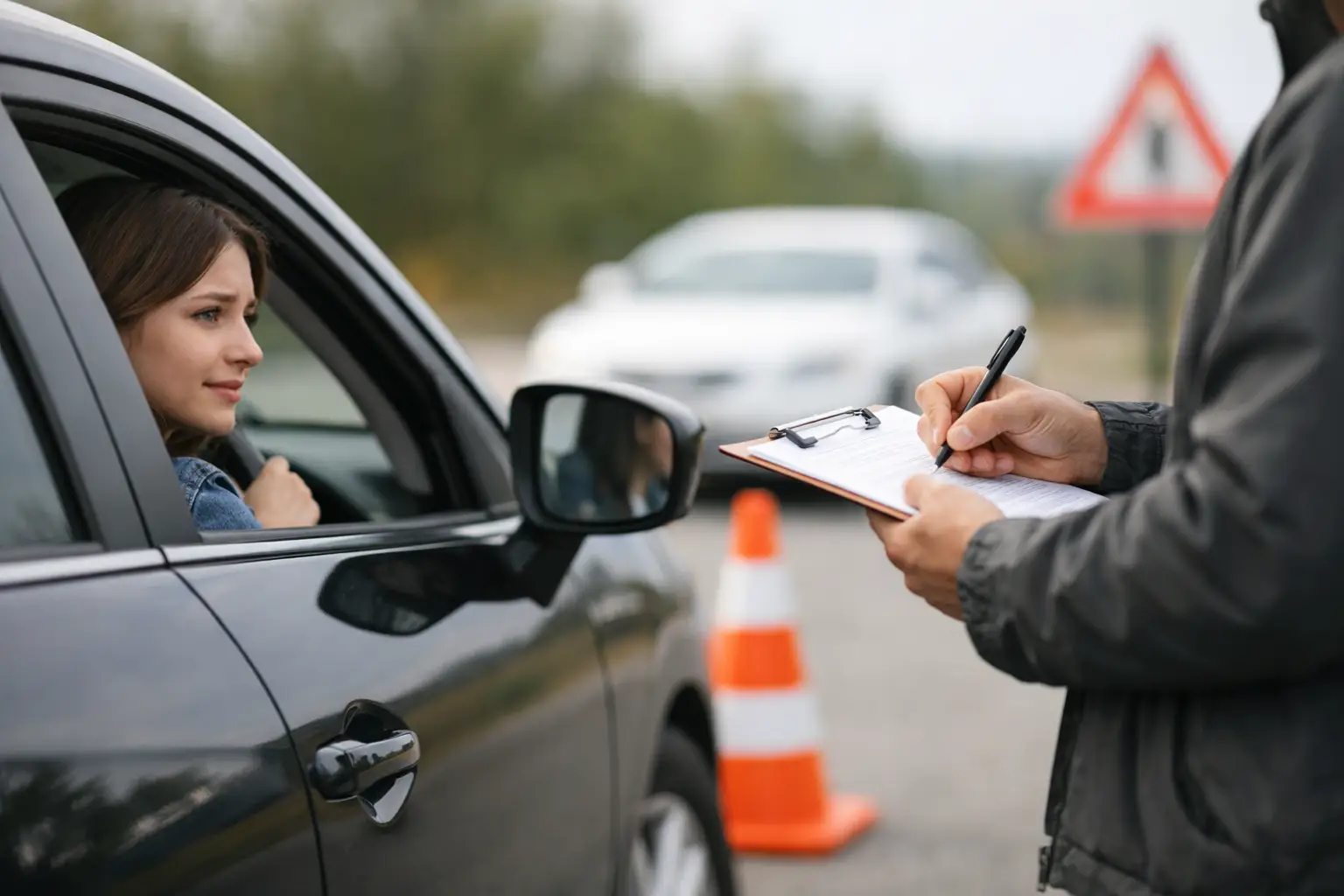
That failed lane change, the late shoulder check, the speed that creeps a little too high on the highway – this is where many drivers lose marks. Most common G road test mistakes are not dramatic or dangerous on their own. They are small habits, missed observations, or rushed decisions that tell the examiner you are not fully in control yet.
The good news is that these mistakes are predictable. When you know what examiners are watching for, you can correct weak spots before test day instead of hoping they do not show up. That is how confident drivers pass more often – not by guessing, but by practicing the right things in the right way.
Why common G road test mistakes happen
By the time drivers reach the G test, many assume the hardest part is over. They have driving experience, they know the basics, and they feel more comfortable behind the wheel. That comfort helps, but it can also create sloppy habits.
The G road test is different from a beginner test because it puts more attention on advanced decision-making. Examiners are watching how you merge, how you manage highway speed, how you plan lane changes, and whether you stay aware under pressure. A driver can feel experienced and still lose marks for missing the details.
Nerves also play a big role. Even drivers who do well in regular lessons sometimes rush at intersections, brake too late, or forget a mirror check when the examiner is beside them. This is normal. The goal is not to be perfect. The goal is to be calm, consistent, and safe.
10 common G road test mistakes that cost drivers marks
1. Incomplete mirror checks and shoulder checks
This is one of the biggest issues on test day. Many drivers look, but they do not make the check obvious enough for the examiner to see. Others check mirrors but skip the shoulder check before changing lanes or merging.
On a G test, observation matters just as much as steering control. If you move the vehicle without clearly checking your surroundings, it suggests risk. Make every mirror check deliberate and every shoulder check timely. Not early, not after the move starts, but right before the action.
2. Poor speed control on city roads and highways
Some drivers fail because they drive too fast. Others lose marks because they drive too slowly and disrupt traffic flow. Both can signal a lack of judgment.
On city roads, watch for speed changes and school zones. On the highway, match traffic safely and reach an appropriate speed on the ramp. A common mistake is entering too slowly because of nerves. Another is speeding up after a lane change without noticing. Good speed control shows awareness, confidence, and discipline.
3. Weak freeway merging
The freeway portion is where many G test candidates feel the most pressure. Merging is not just about getting onto the highway. It is about reading traffic, building speed, choosing a gap, and entering smoothly without forcing other drivers to brake.
A hesitant merge can be just as concerning as an aggressive one. If you stop your acceleration too early or wait too long to commit, the merge becomes awkward. Practice using the full ramp when needed, checking mirrors and blind spots, and joining traffic at a speed that makes sense for conditions.
4. Unsafe or delayed lane changes
Examiners pay close attention to how you change lanes because it combines several skills at once. You need to scan mirrors, signal at the right time, check your blind spot, judge traffic, and move smoothly.
A common mistake is signaling and drifting too soon. Another is waiting so long that the lane change becomes rushed near an intersection or turn. Good lane changes are planned early. They are not sudden, and they are not tentative. They happen when there is space, time, and a clear reason to move.
5. Following too closely
Tailgating does not always look aggressive. Sometimes it comes from inexperience or from trying too hard to keep up with traffic. Either way, it reduces your reaction time and tells the examiner you are not managing space well.
On the G test, spacing is a sign of maturity behind the wheel. Leave enough room in city traffic and even more on faster roads. If weather or visibility is poor, that gap should increase. Safe following distance gives you more time to respond and makes your driving look controlled instead of reactive.
6. Rolling stops and rushed intersections
Drivers often treat familiar intersections casually, especially if they have been driving for a while. That casual approach leads to incomplete stops, weak left-right scanning, or turning before the path is truly clear.
On test day, every stop sign and every controlled intersection matters. Come to a full stop where required, scan properly, and do not move just because another driver waves you through. Examiners want to see that you follow rules and make your own safe decisions.
Common G road test mistakes on the highway
7. Not scanning far enough ahead
Many drivers focus too close to the front of the car. That causes late braking, quick corrections, and last-second decisions. Highway driving especially requires a longer visual range.
If traffic ahead begins to slow, you should notice early. If a vehicle is preparing to merge, you should read that situation before it becomes a problem. Looking farther ahead helps your driving stay smooth, and smooth driving usually earns trust from the examiner.
8. Braking too hard or too late
Harsh braking often comes from poor planning. The driver sees a red light late, notices slowing traffic too late, or approaches an exit without preparing early enough.
The issue is not only comfort. Late braking suggests weak anticipation. Good drivers read traffic patterns early and adjust gradually. There are moments when firm braking is necessary, but on a road test, repeated rough stops usually point to a bigger problem with awareness and timing.
9. Turning mistakes at busy intersections
Right turns that are too wide, left turns that cut the corner, or hesitation when the path is clear can all cost marks. These mistakes often appear when the driver is overwhelmed by traffic, signs, and examiner instructions.
The fix is not to rush. Slow down enough to set up the turn properly, choose the correct lane, and keep steering controlled through the full movement. If an instruction comes late, it is usually better to stay safe and continue than to force a bad turn.
10. Letting nerves take over the drive
Nervous drivers do strange things. They miss easy signs, forget practiced routines, and overthink simple decisions. This is one of the most common G road test mistakes because anxiety changes timing, attention, and confidence.
You do not need to eliminate nerves completely. You need a repeatable process that keeps you steady. Take a breath before moving. Listen carefully. Follow your routine for mirrors, signals, and blind spots every time. Structure beats panic.
How to avoid common G road test mistakes before test day
The smartest preparation is specific. General driving experience helps, but it does not always correct the habits that examiners notice. If you have failed before, this matters even more. Repeating the same route with the same weak habits usually leads to the same result.
Practice should focus on freeway entries, lane changes, speed control, observation, and decision-making at busy intersections. It also helps to drive in the test area so signs, lane layouts, and traffic patterns feel familiar. Local route knowledge does not replace skill, but it reduces surprises.
Mock tests are especially useful because they expose mistakes under pressure. Many drivers perform well in casual practice and then tighten up when someone evaluates them. A realistic test simulation shows where your routine breaks down.
This is where patient coaching can make a real difference. A good instructor does more than point out errors. They help you understand why the mistake happened, how to correct it, and how to make the safer habit automatic. For drivers preparing in Ottawa, Autoz Driving School focuses on exactly that kind of test-ready practice, with structured lessons that build both skill and confidence.
What examiners really want to see
Examiners are not looking for fancy driving. They are looking for safe, predictable, well-timed decisions. They want to see that you notice hazards, respect traffic laws, manage your speed, and stay calm when something changes.
That means the best test-day strategy is usually the simplest one. Do not try to impress anyone. Drive with clear observation, steady control, and enough patience to make each move properly. If traffic is heavy, adapt. If conditions are not ideal, give yourself more space. Safe judgment matters more than perfect flow.
A G road test can feel high stakes, especially if you are balancing work, school, family schedules, or the frustration of a previous failed attempt. But most drivers who struggle are not bad drivers. They just need sharper habits, better preparation, and a little more consistency under pressure. Work on the mistakes that show up most often, and test day starts to feel a lot more manageable.