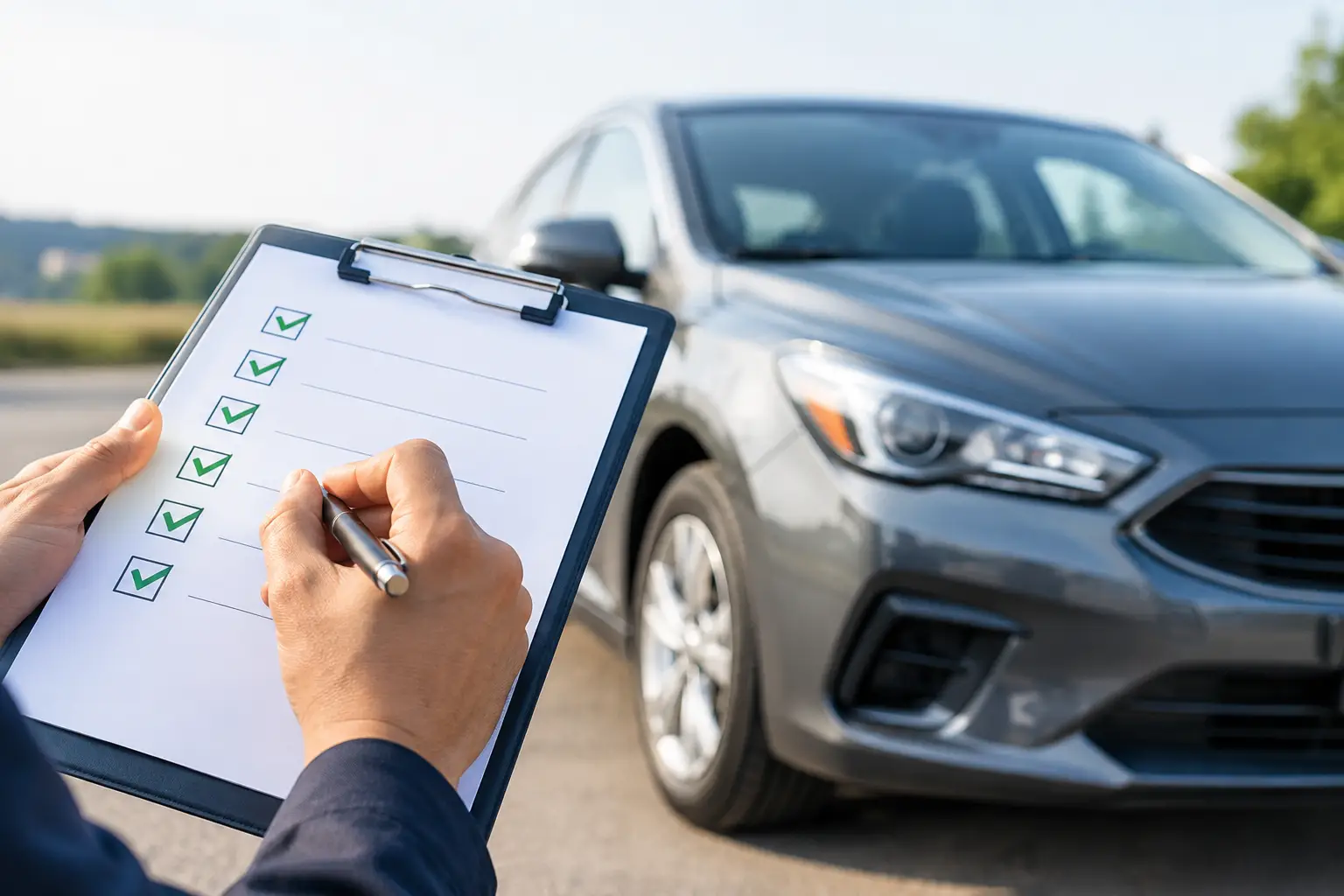
A road test can be over before you even leave the parking space if your vehicle is not acceptable for the test. A burned-out brake light, expired insurance card, low tire, or warning light can lead to a cancellation you could have avoided. This road test vehicle checklist helps you arrive prepared, protect your test fee, and keep your attention where it belongs: on safe, confident driving.
For G2 and G test candidates, the car does not need to be perfect or new. It does need to be safe, legal, and fully functional. Give yourself time to check it a day or two before your appointment, not five minutes before the examiner walks out.
Why Your Test Vehicle Matters
The examiner needs a vehicle that can safely complete the maneuvers required on the road test. They may check basic equipment before the test starts, and they can refuse a vehicle with an obvious safety concern or equipment failure.
That does not mean every small cosmetic issue will stop your test. A scratch on the bumper is not the same as a cracked windshield in the driver’s view. The practical question is whether the condition affects safety, visibility, control, or the vehicle’s legal operation.
A clean, prepared car also makes a difference for you. When mirrors are set, the windshield is clear, the fuel level is adequate, and you know where every control is, you can begin with a calmer mindset instead of trying to solve problems under pressure.
Road Test Vehicle Checklist: What to Check First
Bring the required documents
Have your valid driver’s license with you, along with current vehicle registration and proof of insurance. If you are using a family member’s or friend’s vehicle, make sure those documents are in the car before test day. Do not assume a photo on someone’s phone will be accepted.
You should also have your test appointment details ready. Requirements can vary by licensing location and can change, so confirm the current rules for your test center before you leave home. If you are taking an Ontario G2 or G test, make sure you understand any specific DriveTest requirements that apply to your appointment.
Check lights and signals
Ask someone to stand outside the car while you operate the lights. Confirm that the headlights, brake lights, taillights, turn signals, reverse lights, and license plate light work properly. Turn on the hazard lights as well.
A single failed brake light may seem minor during everyday driving, but it is exactly the kind of issue that can create trouble at a road test. Replace bulbs early if they are dim, flickering, or out.
Inspect tires, wheels, and brakes
Your tires should have visible tread, proper inflation, and no obvious damage such as a bulge, deep cut, or exposed cords. Look for a low tire the night before and again on test morning, especially during Ottawa’s colder months when tire pressure can drop quickly.
The vehicle should brake smoothly and predictably. If you hear grinding, feel strong pulling to one side, notice a soft brake pedal, or see a brake warning light, do not take that car to the test. Have it inspected first or arrange another vehicle.
Make sure visibility is clear
The windshield, side windows, mirrors, rear window, and backup camera area should be clean enough for safe visibility. Remove snow, ice, fog, mud, and interior windshield haze before you arrive. A small frozen patch in the wrong spot can block a pedestrian, cyclist, or traffic sign.
Check the windshield wipers and washer fluid. Road tests happen in rain, slush, and changing weather, and you need wipers that clear the glass properly. The front and rear defrosters should work too, particularly if the weather is damp or cold.
Test the basic controls
Sit in the driver’s seat and make sure you can quickly locate the horn, headlights, turn signals, wipers, defrosters, hazard lights, parking brake, and gear selector. You do not want to search for a control while the examiner is waiting.
If the vehicle has a backup camera, use it as an added aid, not a replacement for observation. You still need to check mirrors, look over your shoulder when appropriate, and scan the area around the vehicle. The same rule applies to parking sensors and other driver-assistance features.
Watch for warning lights and obvious defects
Start the vehicle and look at the dashboard. A warning light may not automatically mean a test cancellation, but it can indicate a problem that should be addressed before your appointment. Never ignore a brake, tire pressure, engine temperature, airbag, or check-engine warning simply because the car still drives.
Also check that doors close securely, seat belts latch and retract, mirrors stay in position, and the driver’s seat can be adjusted and locked. Remove loose items from the floor and dashboard. A water bottle rolling under the brake pedal is a risk you do not need.
Prepare the Car for the Test Morning
Arrive with enough fuel for the full test plus extra driving time. A quarter tank is usually a sensible minimum, but more is better if you are traveling any distance or practicing before the appointment. Do not show up with the low-fuel light on.
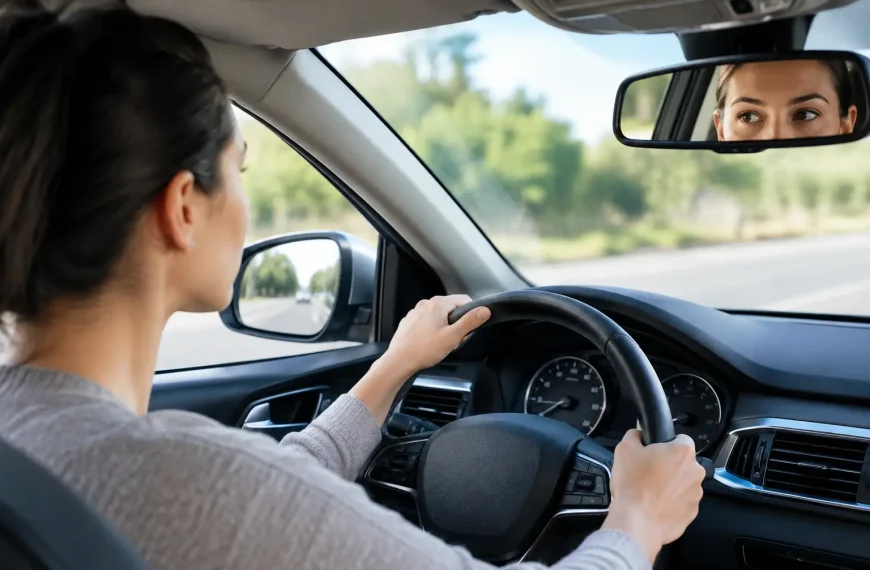
Set the driver’s seat, head restraint, mirrors, and steering wheel before the examiner enters the vehicle. Adjust them for your body, not for the previous driver. Your rearview mirror should show the full rear window, and your side mirrors should reduce blind spots without forcing you to lean.
Keep the cabin tidy and reasonably quiet. Turn off loud music, put your phone away, and avoid strong scents. If you are bringing an instructor or another licensed driver to the test center, make sure they know they cannot coach you during the road test.
If You Are Borrowing or Renting a Vehicle
Borrowing a car is common, but it comes with one extra responsibility: get familiar with it before test day. Practice parking, signaling, braking, lane changes, and highway merging in that specific vehicle if your G test includes highway driving. Every car responds differently.
Pay attention to the size of the vehicle, blind spots, brake sensitivity, turning radius, and location of the parking brake. A larger SUV may offer good visibility but require more space for parking. A compact car may be easier to position but may have different sight lines than the vehicle you practiced in.
If you rent a road test car through a driving school, ask what is included. A quality road test package should give you time to warm up, review key maneuvers, and arrive without rushing. At Autoz Driving School, this kind of test-day support is designed to give Ottawa learners a familiar vehicle and calm, focused preparation before the appointment.
Common Problems That Can Ruin a Good Test Day
Most avoidable cancellations come down to a short list of issues: missing documents, an ineligible vehicle, worn or damaged tires, faulty lights, a cracked windshield that blocks vision, or warning lights that point to a safety concern. Do not wait until you are at the test center to discover them.
Another common problem is arriving in a vehicle that the driver barely knows. If you have never used the wipers, parking brake, or defroster in that car, take a short practice drive first. Familiarity reduces hesitation, and hesitation can make simple tasks feel much harder than they are.
Weather deserves its own check. Clear every window completely, refill washer fluid, and make sure the heater and defroster work. If road conditions are unsafe, follow the test center’s cancellation or rescheduling process rather than taking chances.
Use the Checklist to Build Confidence
Vehicle readiness is only one part of passing, but it is the part you can control before the examiner begins scoring your driving. Check the car early, correct small problems immediately, and practice in the same vehicle whenever possible.
Then, on test day, take a breath, set up your seat and mirrors, and drive the way you have been taught: alert, observant, smooth, and safe. A prepared vehicle gives you one less thing to worry about and more room to show what you can do.