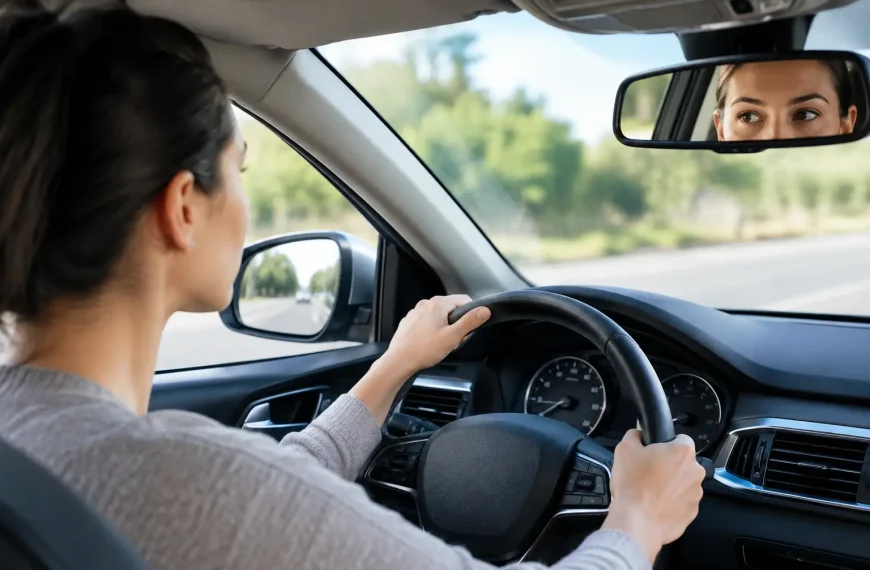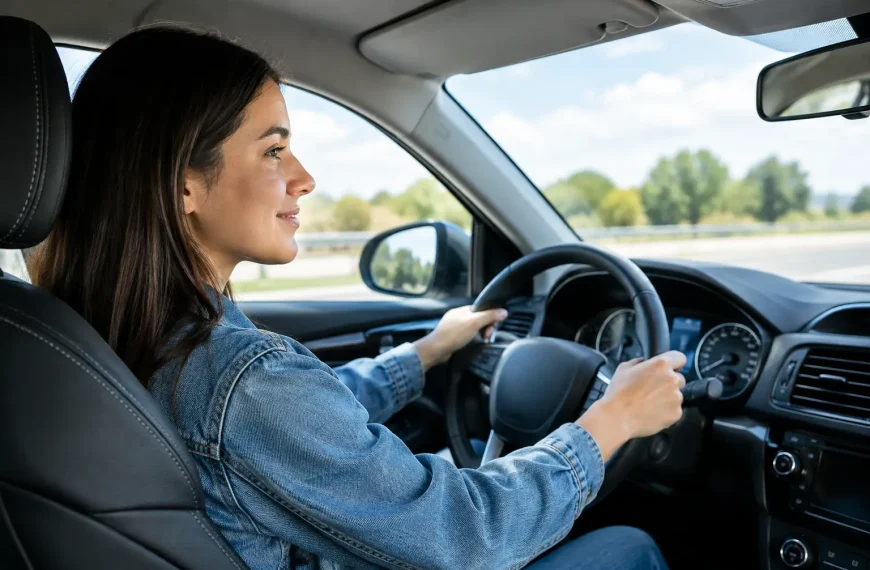
A nervous driver lesson plan should not begin with the hardest intersection in town or a rushed mock test. It should begin by helping the student feel in control of the vehicle, understand what is happening around them, and make one safe decision at a time. Nervousness is common for teens, adult beginners, newcomers, and drivers returning to the road after years away. With patient instruction and a clear progression, anxiety can become steady, road-ready confidence.
The goal is not to make a driver feel fearless. A little caution is healthy. The goal is to replace panic, hesitation, and guesswork with repeatable habits that work on Ottawa streets, highways, parking lots, and road test routes.
Why Nervous Drivers Need a Different Approach
A nervous student often knows more than they think. They may understand the rules, recognize road signs, and know they should check mirrors. The challenge is putting those skills together while managing speed, traffic, directions, and pressure from other drivers.
Throwing too many tasks at a nervous driver too soon can make the problem worse. They may grip the wheel tightly, brake too early, miss a shoulder check, or freeze when a vehicle waits behind them. That does not mean they cannot learn. It means the lesson needs structure.
A strong instructor breaks driving into manageable skills, repeats them in low-pressure settings, and gradually adds complexity. Each lesson should have a clear focus. Students should leave knowing what improved, what still needs work, and what they will practice next.
A Nervous Driver Lesson Plan That Builds Skills Step by Step
The best lesson plan adjusts to the student’s experience, but the sequence matters. Confidence grows fastest when a driver has enough practice at one level before moving to the next.
Lesson 1: Vehicle Control and Comfort
The first lesson should create familiarity, not pressure. Start in a quiet residential area or an empty parking lot. Review seat position, mirror adjustment, steering control, smooth braking, acceleration, turn signals, and scanning habits.
For a nervous driver, even starting the car and moving into traffic can feel like a lot. Keep the route simple and give directions early. Instead of saying, “Turn now,” say, “At the next street, we will make a right turn. Check your mirror, signal, slow down, and turn when it is safe.”
This early lesson also gives the instructor a baseline. Is the student looking too close to the hood? Are they braking abruptly? Do they understand where the vehicle sits in the lane? These details shape the rest of the training plan.
Lesson 2: Quiet Streets and Decision-Making
Once basic control is improving, practice on calm neighborhood roads. This is where drivers learn the rhythm of real traffic without being overwhelmed by several lanes or heavy congestion.
Focus on complete stops, right-of-way decisions, smooth turns, pedestrian awareness, and consistent observation at intersections. A student should learn that a stop sign is not just a place to stop the car. It is a process: stop fully, scan left-right-left, check for pedestrians and cyclists, then proceed only when the path is clear.
Nervous drivers often rush because they worry about holding others up. Remind them that other drivers can wait. Safe judgment matters more than moving quickly. At the same time, practice recognizing safe gaps so hesitation does not become a habit.
Lesson 3: Lane Changes, Busier Roads, and Traffic Flow
The next stage introduces higher speeds and more moving parts. Busier streets require a driver to manage lane position, traffic lights, turning lanes, parked cars, buses, and changing traffic conditions.
Lane changes deserve focused practice. Many students know the steps but perform them too quickly when anxious. Build a reliable routine: mirror check, signal, shoulder check, confirm space, move smoothly, and cancel the signal. Repeat this on roads with light traffic before trying it in heavier conditions.
It also helps to teach traffic flow realistically. Driving too slowly can be as stressful and unsafe as speeding. A student should learn to maintain an appropriate speed for the road, leave a safe following distance, and avoid reacting to pressure from aggressive drivers.
Lesson 4: Parking, Reversing, and Low-Speed Precision
Parking exercises can feel personal because mistakes are so visible. A nervous student may worry about touching a curb, misjudging distance, or being watched by other drivers. The answer is not endless random practice. It is a consistent setup and calm repetition.
Practice parallel parking, reverse parking, three-point turns, and backing out of spaces in a quiet area first. Explain reference points, but do not rely on them alone. The student also needs to understand vehicle position, speed control, and constant observation.
Small corrections are normal. A road test examiner is looking for safe control and awareness, not perfection on the first movement. If a parking attempt needs adjustment, teach the student to reset calmly rather than panic or force the maneuver.
Lesson 5: Highway Skills and Higher-Speed Confidence
Highway driving should come after the student is comfortable with steering, mirrors, lane changes, and traffic flow. Entering a highway too early can reinforce fear. Waiting too long can make highway driving feel like an impossible final hurdle.
Begin with a short, familiar route during a less busy time. Practice acceleration on the entrance ramp, checking blind spots, merging at a suitable speed, maintaining space, and preparing early for an exit. The key lesson is that merging is not stopping and hoping someone lets you in. It is observing, matching traffic speed when safe, and entering a safe gap with purpose.
A student preparing for a full license road test will need this type of practice, including lane changes, exits, and safe following distance. For drivers who only need G2-level preparation, highway work may not be the immediate focus, but building these skills later remains valuable.
How to Keep Anxiety From Taking Over a Lesson
A good lesson plan includes a strategy for the moments when nerves spike. The instructor should give clear directions early, use a calm voice, and avoid correcting every small issue while the car is moving. Too much feedback can make a student feel they are failing, even when they are improving.
Students can help themselves by arriving a few minutes early, wearing comfortable shoes, and avoiding a heavy dose of caffeine right before a lesson. Before starting the car, take one slow breath and choose a simple goal for the session, such as smoother stops or better shoulder checks.
After a mistake, do not replay it for the next 10 minutes. Identify what happened, state the correction, and continue. For example: “I turned too wide because I entered too fast. Next time I will slow down before the turn and look where I want the car to go.” That is practical learning, not self-criticism.
Turning Practice Into Road Test Readiness
Road test preparation should not be a separate, last-minute activity. The habits practiced from the first lesson are the same habits an examiner expects: observation, control, safe speed, proper lane position, and sound judgment.
As the test approaches, add mock road tests. A mock test helps reveal whether a student can drive independently while following directions, rather than only performing skills with constant coaching. It also shows where nerves appear under pressure. Some drivers do well with parking but lose points on observation. Others make safe decisions but need smoother speed control.
Local route familiarity can reduce uncertainty, especially for students taking a G2 or full G road test in the Ottawa area. Still, route knowledge should never replace skill. Traffic changes, construction happens, and examiners may choose different streets. The driver needs to be ready for the road in front of them, not just memorizing turns.
Autoz Driving School uses one-on-one instruction to identify these patterns early and build a lesson sequence around the student, whether they need a first driving lesson, a refresher, or focused road test practice.
Measure Progress by Skills, Not Feelings Alone
A nervous driver may say, “I still feel scared,” even after making major progress. That feeling deserves respect, but it should not be the only measure of readiness. Look at evidence.
Can the student maintain lane position without reminders? Do they check mirrors and blind spots consistently? Can they make turns, lane changes, and parking maneuvers with safe control? Do they recover calmly from an unexpected situation? These are the signs that confidence is becoming real.
Some students need only a few focused lessons. Others benefit from more repetition, especially if they have had a previous failed test, a long break from driving, or limited experience in traffic. More practice is not wasted when it has a purpose. The right pace is the one that improves safety and gives the student a genuine chance to succeed.
The next time driving feels overwhelming, make the goal smaller: one smooth stop, one safe lane change, one calm decision. Those small wins are how a nervous driver becomes a capable one.