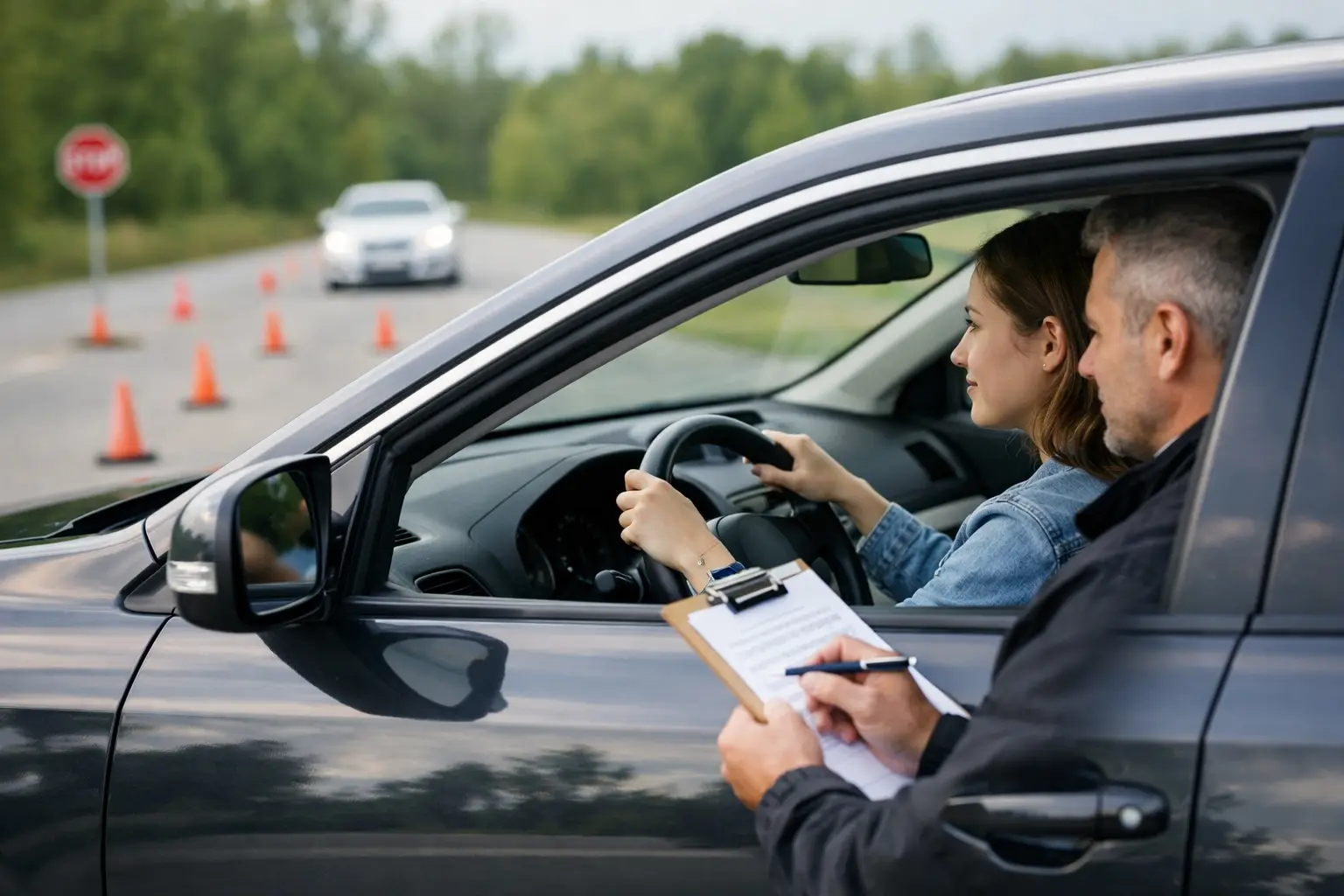
A full G road test can feel like a bigger step than the G2 test because the examiner expects more than basic vehicle control. They want to see calm decisions at highway speed, safe space management, and the ability to drive independently in changing traffic. The right G road training turns those expectations into clear, repeatable skills so you can arrive prepared instead of hoping for an easy route.
For many drivers, the challenge is not a lack of experience. It is knowing which habits matter on test day, correcting the ones that create risk, and practicing in the same driving conditions you will face around Ottawa.
What the Full G Road Test Actually Measures
The full G test is designed to assess whether you can handle higher-speed driving safely and consistently. That means the examiner is watching your observation, timing, lane position, following distance, speed control, and judgment from the moment the test begins.
Highway driving is usually the part students worry about most. You may need to enter a highway using an acceleration lane, merge with traffic at an appropriate speed, change lanes safely, maintain space around your vehicle, and exit without sudden braking or hesitation. These actions are not separate tricks to memorize. They show whether you can read traffic early and make confident choices.
The test can also include city streets, intersections, turns, lane changes, and roadside stops. Even if you feel comfortable on the highway, small habits can affect your result. Rolling through a stop sign, missing a blind-spot check, driving too slowly for conditions, or changing lanes without enough space can raise concerns for an examiner.
That is why full G preparation should focus on consistency. A single good merge is helpful. Being able to make safe, smooth decisions throughout the drive is what gets you ready.
Why G Road Training Builds Confidence Faster
Practice with a family member or friend can be valuable, especially for getting regular time behind the wheel. But informal practice does not always come with precise feedback. A supportive instructor can identify the issue behind a mistake, explain the correction clearly, and give you another opportunity to practice it right away.
For example, a driver may believe they are checking blind spots because they glance toward the side window. An instructor can show them how to make the check visible, purposeful, and timed correctly before a lane change. Another driver may merge safely but enter the highway too slowly. The solution is not simply “drive faster.” It is learning how to build speed in the acceleration lane while monitoring traffic and selecting a safe gap.
This kind of coaching is especially useful for drivers who have delayed their test, failed before, or have not driven regularly. A refresher lesson can reveal whether you need a full training plan or just a focused session on highway skills, observation, and test-day routines.
At Autoz Driving School, lessons are built around patient one-on-one instruction, helping drivers replace uncertainty with practical habits they can use long after the test.
The Skills Worth Practicing Before Your Test
A good lesson should not feel like random driving around town. Your instructor should have a purpose for each route and exercise, based on the skills you need to improve.
Highway Entry and Merging
Many G test errors begin before the vehicle reaches the highway. Drivers may hesitate at the start of the acceleration lane, fail to build enough speed, or focus only on the traffic beside them instead of looking well ahead.
A strong merge starts with early observation. Check traffic as you enter the ramp, use the acceleration lane to reach a suitable speed, signal, check mirrors and blind spot, and merge into a safe opening. Do not stop on an acceleration lane unless traffic conditions leave no safe alternative. Stopping unnecessarily can make it harder and more dangerous to enter moving traffic.
Lane Changes at Highway Speed
At higher speeds, every decision needs more space and more planning. Before changing lanes, check your mirrors, signal early enough to communicate your plan, check the blind spot, and move only when there is a safe gap. Keep your steering smooth and avoid drifting across lane markings.
The right time to change lanes depends on traffic. If another vehicle is closing in quickly, or if the gap will force someone to brake, wait. Examiners are looking for judgment, not aggressive lane changes.
Safe Following Distance
Tailgating is one of the quickest ways to lose your safety margin. On highways, leave enough time and distance to react if traffic slows suddenly. Increase your following distance in rain, snow, darkness, heavy congestion, or whenever visibility is limited.
Following too far behind can also become a concern if it disrupts traffic flow, but most anxious test takers are more likely to follow too closely. Your instructor can help you develop a realistic sense of safe spacing at different speeds.
Speed Control and Traffic Flow
Driving at the posted limit does not always mean you are matching conditions correctly. Construction zones, wet roads, merging traffic, and limited visibility may require a lower speed. On the other hand, driving much slower than surrounding traffic without a reason can create its own risk.
G road training helps you recognize when to adjust speed gradually, rather than reacting late with hard braking. Smooth braking, steady acceleration, and early planning make your driving look controlled because it is controlled.
Common Habits That Can Hurt Your Result
A road test is not about being perfect. It is about showing that you can drive safely without creating avoidable risk. Some mistakes happen because drivers become tense and rush through routines they normally know.
Watch for these common issues before test day:
- Incomplete stops at stop signs or red lights before a right turn
- Forgetting blind-spot checks before lane changes, pulling away, or merging
- Waiting too long to make a decision when entering or exiting a highway
- Braking sharply because you did not look far enough ahead
- Turning into the wrong lane or drifting wide during turns
These habits are fixable when you practice them with specific feedback. The goal is not to overthink every movement. It is to create a reliable routine that feels natural under pressure.
How Many Lessons Do You Need?
There is no single number that works for everyone. A driver who commutes on highways every week may need only one or two focused sessions to prepare for the test. Someone who has mainly driven on local streets, has been off the road for months, or is retaking the test may benefit from a more structured plan.
The most efficient approach is to begin with an assessment lesson. Your instructor can observe your current driving, identify your strongest and weakest areas, and recommend the right amount of practice. This avoids paying for lessons you do not need while making sure you do not leave major gaps unaddressed.
If you are close to your test date, prioritize the skills that carry the most weight: highway merging, lane changes, observation, speed management, and calm decision-making. You can improve a great deal in a few targeted sessions when practice is intentional.
Make Test Day Feel Familiar
Nerves do not disappear just because you have practiced. They become easier to manage when the process feels familiar. Plan to arrive early, bring the documents you need, and make sure you are rested. If you are using a road test car rental service, take time before the test to adjust the seat, mirrors, steering wheel, and controls.
During the test, focus on the road ahead rather than trying to guess the examiner’s reaction. Listen carefully to each instruction, ask for clarification if you genuinely did not hear it, and keep driving safely if you make a small error. One imperfect moment does not automatically mean a failed test. What matters is how safely you respond.
Your full G license represents more freedom, but the best preparation gives you something more useful: the confidence to handle Ottawa roads, highway traffic, and everyday decisions with a calm, capable approach.