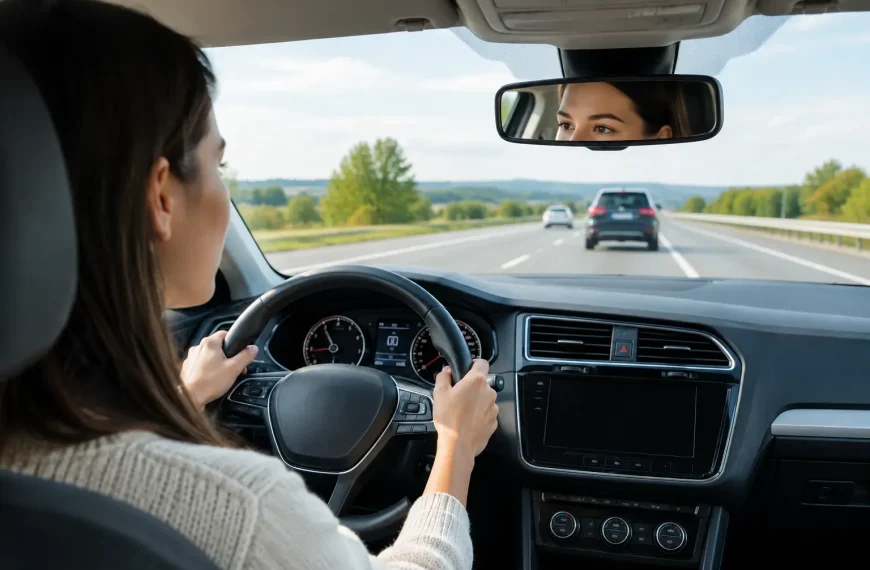
A digital BDE course can look like the easy part of learning to drive: log in, complete modules, pass quizzes, and move on. But a useful digital BDE course review should answer a bigger question: will this course actually help you become a safer, calmer driver when you are sitting at a busy Ottawa intersection with real traffic around you?
For many new drivers, the answer is yes – if the online course is part of a complete learning plan. Digital education gives you flexibility and a clear foundation. Behind-the-wheel practice gives you judgment, timing, and confidence. You need both before a road test.
What Is a Digital BDE Course?
BDE stands for Beginner Driver Education. In Ontario, an approved BDE program combines classroom or online learning with in-car instruction. The digital portion is designed to teach the rules, habits, and decision-making skills that every new driver needs before building those skills on the road.
A quality online program should cover more than road signs and basic traffic laws. It should explain how to manage speed, create space around your vehicle, recognize hazards early, share the road with cyclists and pedestrians, handle poor weather, and avoid distracted driving. These are the choices that protect you long after your G2 test is over.
The biggest advantage is convenience. Students can complete the theory portion from home and work through lessons around school, work, family responsibilities, or a changing schedule. For busy teens, adult learners, and newcomers adjusting to a new routine, that flexibility can make driver education much easier to finish.
Still, convenience should not be the only reason you choose a course. The goal is not simply to collect a completion certificate. The goal is to understand what safe driving looks like before you need to make quick decisions in traffic.
Digital BDE Course Review: What to Look For
Not all online driver education is equally helpful. A course can have polished videos and still leave a student unsure about basic road decisions. When comparing options, focus on whether the program is approved, clear, practical, and connected to real driving instruction.
Approved training and accurate records
Start by confirming that the program meets the requirements for recognized Beginner Driver Education. This matters because approved training can affect eligibility for insurance savings and may reduce the wait time before taking the G2 road test when all program requirements are completed.
Ask how completion is reported and what you need to finish before your record can be updated. A good school explains the process clearly rather than leaving students to chase paperwork later.
Lessons that make sense outside the screen
The best digital courses use everyday situations, not vague theory. You should come away understanding why a full stop matters, how far ahead to look, when to adjust following distance, and how to identify a developing risk before it becomes an emergency.
For example, a strong lesson on intersections should not only tell you who has the right of way. It should prepare you to scan for late-turning vehicles, pedestrians stepping off the curb, cyclists beside you, and drivers who may not stop as expected. This is the kind of awareness that helps on a road test and in daily driving.
A format you can actually complete
Online learning only works when students can stay engaged. Look for lessons broken into manageable sections, straightforward language, knowledge checks, and progress tracking. If a course feels confusing or difficult to access, students are more likely to rush through it just to finish.
It also helps when support is available if you have a technical problem or a question about the material. New drivers should never feel embarrassed to ask for clarification. Learning to drive involves a lot of new information, and patient guidance makes a real difference.
In-car coaching that matches the theory
An online course cannot tell you exactly when your braking is too late or whether you checked a blind spot properly before changing lanes. That feedback happens in the vehicle.
Your instructor should turn the course concepts into repeatable habits. You learn how to check mirrors without staring at them, judge gaps at intersections, maintain a safe speed, reverse with control, and recover calmly after a small mistake. This is also where local experience matters. Familiarity with Ottawa traffic patterns, common test-area challenges, and seasonal driving conditions can make practice more focused.
The Benefits of Learning Online
Digital BDE is especially useful for students who learn best by reviewing information at their own pace. You can pause a lesson, revisit a topic before a drive, and fit study time into evenings or weekends. That can reduce the pressure of trying to absorb every rule in a single classroom session.
It can also make the first in-car lesson less intimidating. When you already understand the purpose of mirror checks, speed control, and space management, you can spend more time practicing instead of hearing every concept for the first time from the driver’s seat.
For anxious learners, this matters. Confidence rarely comes from being told to relax. It comes from knowing what you are expected to do, practicing it in small steps, and seeing improvement each time you drive.
Where Online Learning Has Limits
A fair digital BDE course review also needs to be honest about the trade-offs. Online education is flexible, but it requires self-discipline. If you keep postponing modules or click through without paying attention, the information will not help you when you are behind the wheel.
It also cannot replicate the physical side of driving. You cannot learn smooth steering, proper braking pressure, parking alignment, or lane positioning from a screen alone. Videos can show a hazard, but they cannot measure your reaction time or correct your steering in the moment.
That is why the strongest approach combines focused online study with private lessons. The course teaches the why. Your instructor teaches the how. Repetition turns both into a habit.
Who Benefits Most From a Digital BDE Course?
A digital program is a strong fit for first-time drivers who want a structured start, students balancing school and part-time work, and adults who prefer learning theory privately before practicing on the road. It can also help newcomers understand local road rules and driving expectations before beginning in-car training.
If you struggle with self-paced learning, need frequent explanations, or feel nervous about technology, a more supported format may be a better fit. There is no one right learning style. What matters is choosing a program that helps you stay consistent and gives you access to patient instruction when you need it.
A student preparing for a G2 test may need a different emphasis than an experienced driver preparing for a full G test. The G2 learner often needs to build core control and observation habits. The G candidate may need more work on highway driving, merging, lane changes, and independent decision-making. Good training is personalized rather than one-size-fits-all.
How to Get More Value From Your Course
Treat each online lesson as preparation for your next drive. After completing a module on intersections, for instance, ask your instructor to point out the same risks during your lesson. After studying following distance, practice judging space in different traffic conditions. Connecting the screen lesson to the road makes the information stick.
Avoid saving all your online work for the final week before your test. Spreading learning over time gives you more chances to review difficult topics and apply them during practice. It also keeps your training from becoming a stressful race to meet a deadline.
Before booking a road test, make sure you can perform the required skills consistently, not just once on a quiet street. You should be able to make safe observations, control your speed, respond to changing traffic, park with confidence, and recover if another driver behaves unpredictably. A calm, prepared driver is easier for an examiner to trust.
At Autoz Driving School, digital BDE learning is most effective when paired with patient, one-on-one coaching that helps students turn knowledge into real driving confidence. The right course should leave you better prepared for every lesson, not simply closer to a certificate.
Choose training that respects your schedule but does not compromise on safety. When you understand the rules, practice the skills, and receive clear feedback, the road test becomes one step in a much more valuable goal: becoming a driver who is ready for the road ahead.