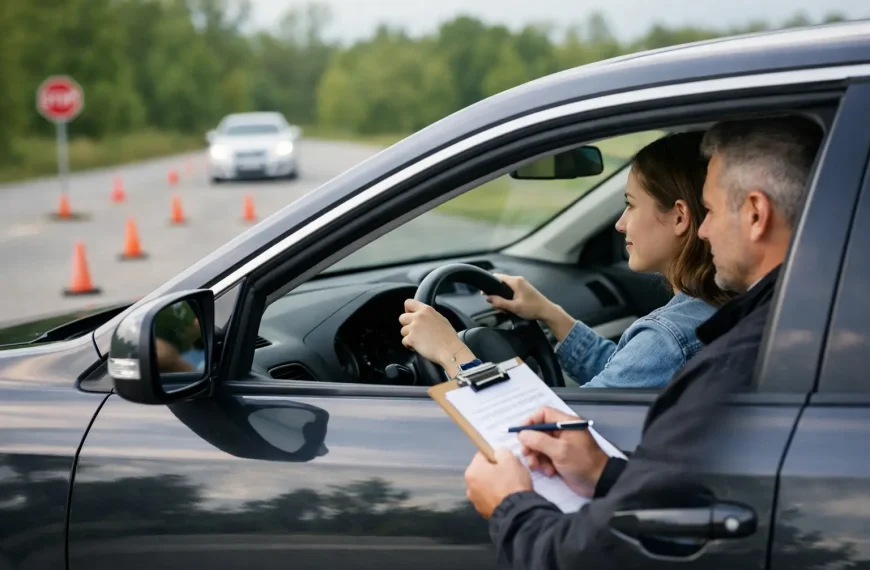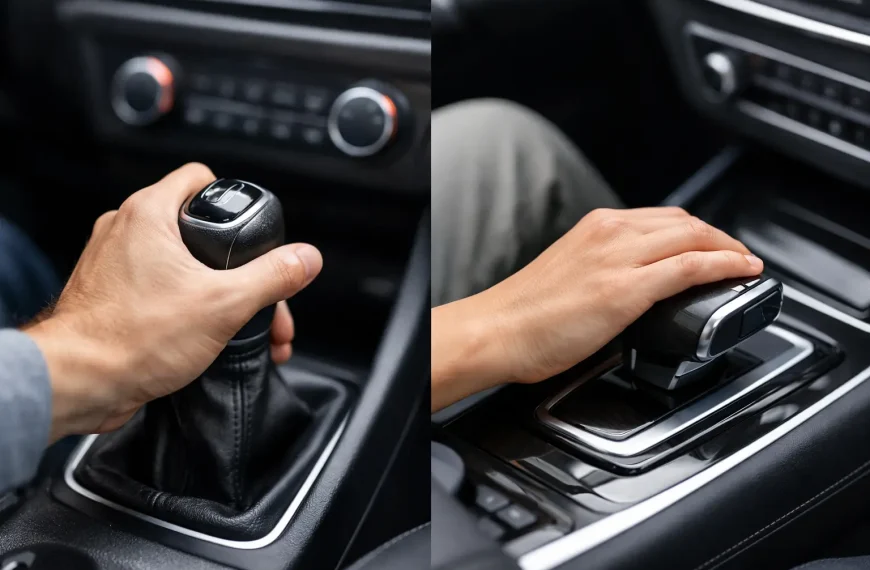
The examiner starts watching before you even leave the parking spot. That is why learning how to pass g2 road test is not just about driving well for 20 minutes. It is about showing safe habits the entire time, from adjusting your seat and mirrors to your final park at the end.
For most learners, the real challenge is not lack of skill. It is nerves, missed observation checks, and small mistakes that add up fast. The good news is that the G2 test is very passable when you know what the examiner is looking for and practice with a clear plan.
How to pass G2 road test without guessing
The G2 road test is designed to check whether you can drive safely on your own in regular traffic. Examiners are not looking for perfection. They are looking for control, awareness, judgment, and consistency.
That means your test is not won by one impressive maneuver. It is won by doing the basics properly every time. Smooth braking, correct speed, regular mirror checks, full stops, shoulder checks before moving or turning, and good lane position matter more than trying to look overly confident.
If you are asking how to pass G2 road test on your first attempt, focus on this simple idea: make your safety habits obvious. Many students actually know what to do, but they do it too subtly for the examiner to see. A quick glance is easy to miss. A proper head movement is clear. On test day, visible observation matters.
What the examiner usually checks
Most G2 tests include the same core skills. You will likely be assessed on left and right turns, lane changes, stopping and starting, intersection approach, parking, and general traffic awareness. In some cases, the route feels easy. That can be deceptive. A quiet street still tests your scanning, speed control, and decision-making.
Your examiner will notice how you manage the car before moving. Adjust your seat, mirrors, and steering position first. Buckle up, keep both hands ready, and wait for instructions calmly. If you are using a rental or school car, get familiar with the signals, wipers, parking brake, and defroster before the test starts. You do not want to search for a control while driving.
They also watch for how you react to ordinary situations. Do you stop fully at stop signs, or do you roll? Do you keep a safe following distance, or do you creep too close? Do you speed up smoothly, or do you drive too slowly and hold up traffic? It depends on road conditions, but the safest drivers match the flow while staying within the limit.
The mistakes that fail people most often
A lot of failed tests come down to a handful of repeated issues. Rolling stops are one of the biggest ones. If your wheels do not fully stop behind the line or before the crosswalk, that can cost you quickly. The same goes for incomplete shoulder checks before lane changes, pulling out, or turning where cyclists or pedestrians may be present.
Speed control is another major problem. Some learners think driving under the limit is safer, but driving too slowly can show hesitation and poor traffic judgment. On the other side, even small speeding can signal lack of control. Stay steady. Let your speed build gradually and check it often, especially in school zones and residential streets.
Wide turns and poor lane position also show up often. On right turns, stay close to the curb without touching it. On left turns, enter and exit the correct lane unless signs or markings say otherwise. Examiners want to see that you can place the vehicle properly, not just get through the turn.
Then there is observation. Many nervous drivers stare straight ahead and forget to scan. You should be checking mirrors regularly, watching intersections early, and looking for pedestrians before every turn. If your eyes are not active, the examiner may assume your awareness is weak, even if the maneuver itself looks acceptable.
Practice the parts that actually matter
The best preparation is targeted practice, not endless random driving. If you only drive familiar roads with a parent or friend, you may feel comfortable but still miss test-level habits. Practice should include the exact skills the examiner scores.
Start with full stops. Approach smoothly, stop fully, and check left, right, then left again before proceeding when appropriate. Do this until it becomes automatic. Then work on turns, especially keeping your speed controlled and steering smooth. Jerky turns and late braking make drivers look unprepared.
Lane changes deserve extra attention. Mirror, signal, shoulder check, then move when safe. That order matters. A lot of learners signal and drift at the same time, which is risky and obvious on a test.
Parking should also feel routine. You may be asked to parallel park, uphill park, downhill park, or front or reverse park depending on the location and examiner. You do not need race-car precision. You do need control, proper checks, and a final position that is safe and legal. If one parking style keeps going wrong, spend extra time there instead of only practicing what already feels easy.
Test-day habits that make a difference
If you want to know how to pass G2 road test when nerves are high, your routine before the test matters almost as much as your driving. Give yourself extra time to arrive. Rushing into a road test is one of the fastest ways to start tense and distracted.
Make sure the car is clean, legal, and test-ready. Check the brake lights, signals, horn, tires, windshield, and fuel level. A vehicle issue can create stress before the test even begins. If you are borrowing a car, drive it beforehand. The brake feel, steering response, and visibility may be different from what you practiced.
During the test, listen carefully and do not panic if the examiner seems quiet. Silence does not mean you are failing. It usually just means they are observing. If you do not hear an instruction clearly, ask politely for it to be repeated. That is much better than guessing.
Also, do not let one small mistake ruin the rest of your drive. Many learners think they failed after one imperfect turn, then make three more errors because they mentally checked out. Stay present. A minor issue does not always mean an automatic fail.
Why local practice helps
Road tests are about driving fundamentals, but local familiarity absolutely helps. Different Ottawa test areas can have their own traffic flow, lane markings, tricky intersections, and speed transitions. Knowing where learners commonly slip up can reduce surprises and improve your timing.
That does not mean memorizing a route is enough. Routes can change. But practicing in the actual area gives you a better feel for common scenarios, such as busy right turns, residential scanning, and lane choice near larger intersections. That is one reason many students improve faster with professional lessons focused on local road test conditions.
A patient instructor can often spot the habits you do not notice in yourself, like stopping too late, checking mirrors too infrequently, or turning your head too little on shoulder checks. That kind of correction can save you from repeating the same mistake all the way into test day.
How to build confidence before the test
Confidence on a road test should come from repetition, not wishful thinking. If you only feel good when the road is empty and the instructions are simple, you are not ready yet. Real confidence shows up when you can stay calm with traffic, unexpected pedestrians, or last-minute decisions from other drivers.
A good way to prepare is to run full mock tests. Start in a parking lot, go through normal city streets, complete the common maneuvers, and treat every part seriously, including observation checks and final parking. This helps turn the test into something familiar rather than something intimidating.
It also helps to practice recovery. If a parking attempt is slightly off, can you fix it calmly? If another driver cuts in, can you create space without overreacting? Safe recovery is part of good driving. Examiners understand that traffic is not perfect. They want to see judgment.
For many learners, one or two focused lessons right before the test can make a real difference. A professional coach can tighten up the exact details that examiners score closely. In Ottawa, Autoz Driving School works with many G2 students on those final adjustments so they go into the test feeling prepared, not just hopeful.
The mindset that gives you the best chance
Treat the G2 test like a safety assessment, not a performance. You are not trying to impress the examiner. You are showing that you can be trusted alone on the road. That shift in mindset helps a lot, especially if you tend to overthink every move.
Drive a little more deliberately than usual. Make your checks visible. Follow instructions, but always put safety first if a situation changes. If the examiner asks for a turn and it is not safe to do it, continue calmly and explain. Safe judgment matters more than instant obedience.
You do not need perfect nerves to pass. You need steady habits, enough practice in the right areas, and the ability to stay composed when the pressure is on. If you prepare that way, the road test starts to feel less like a mystery and more like one more drive where you show what you already know.