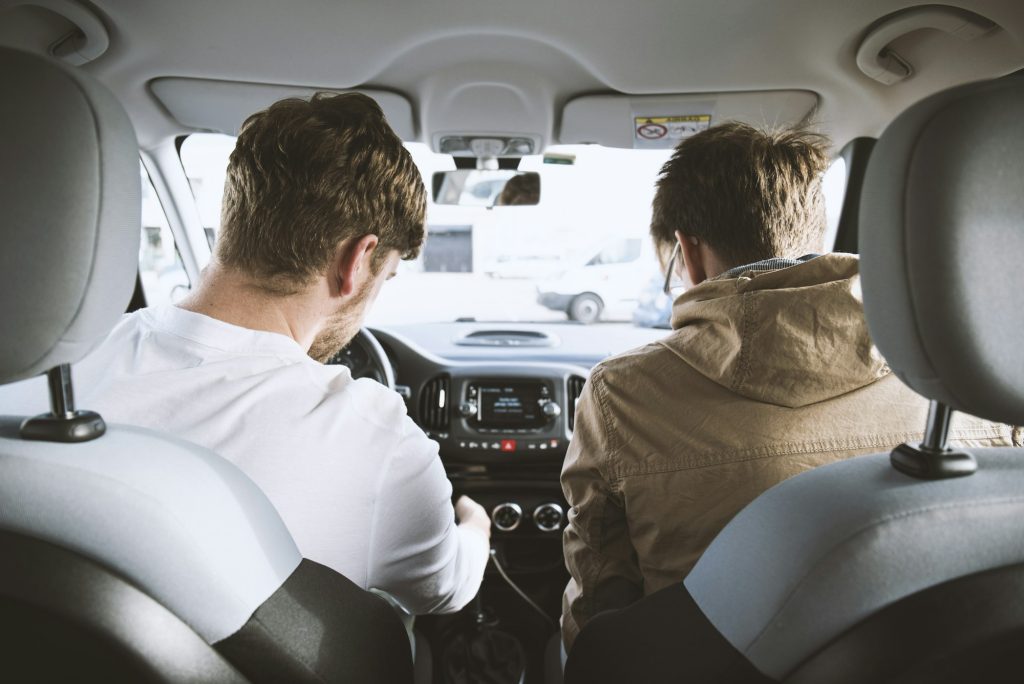
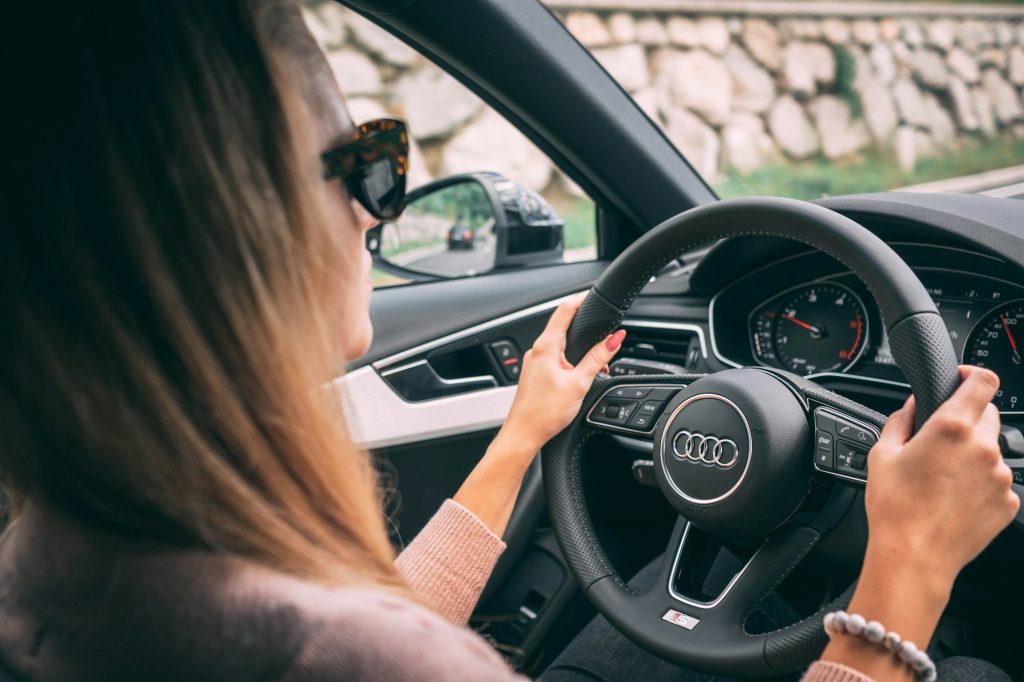
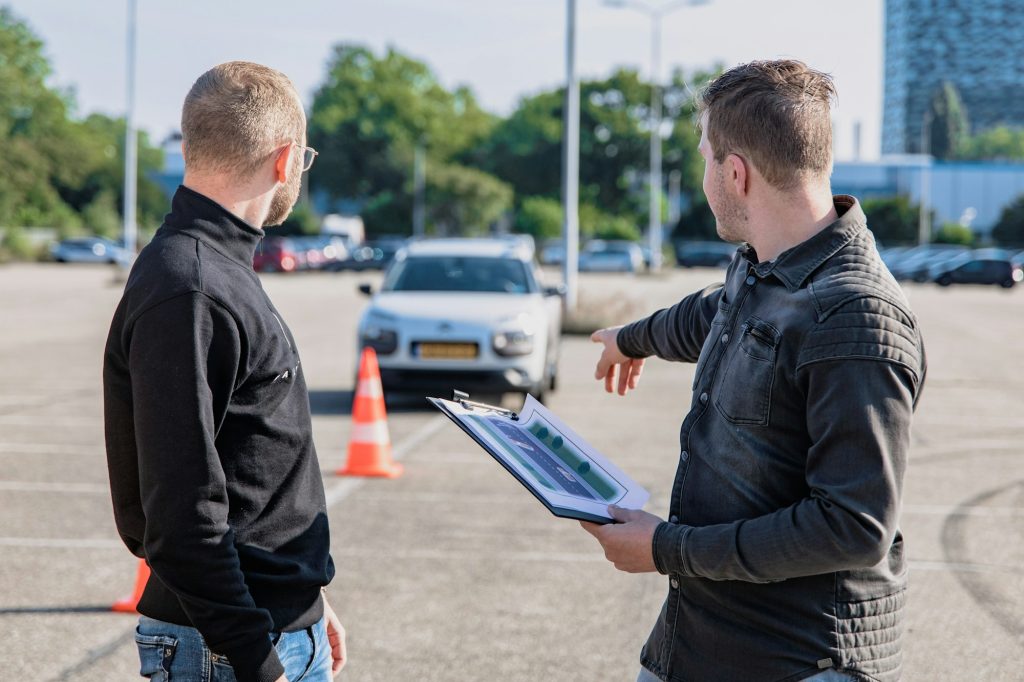
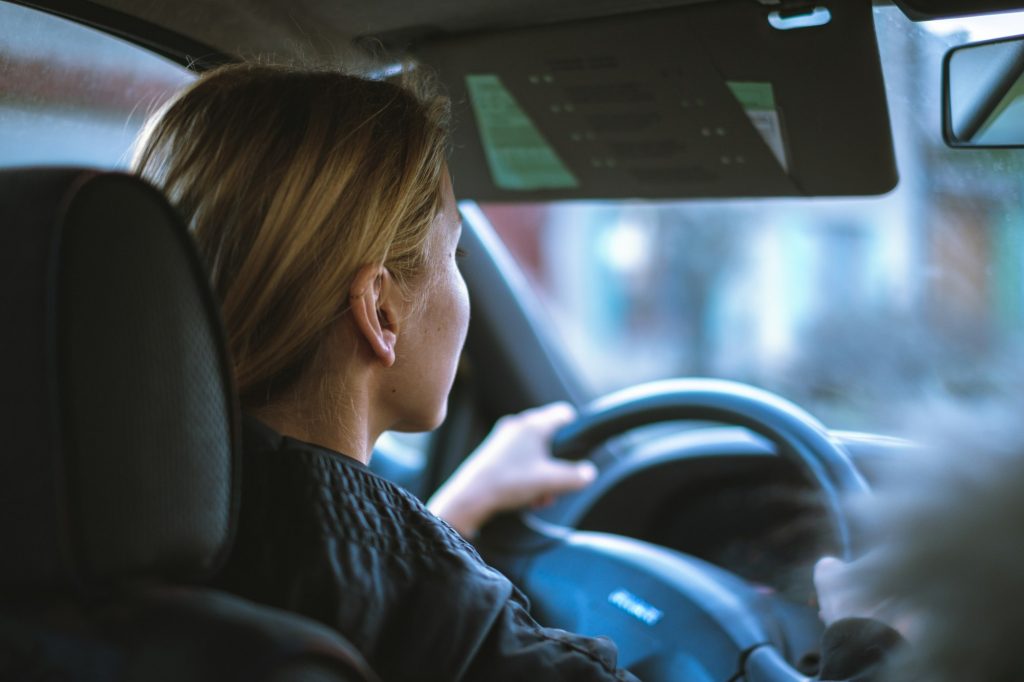
Learning to drive in a Tesla is easier in some ways for beginners: there is no gear shifting, acceleration is smooth and predictable, and regenerative braking slows the car as soon as you ease off the pedal. It does not make the core skills any easier, though. Observation, speed control, lane position and decision-making in Ottawa traffic are the same in any car, and those are what your road test measures.
What feels easier in a Tesla
For a nervous first-time driver, the first few lessons in a Tesla can feel calmer than in many other cars. A few things help:
- Automatic, with nothing to shift. Like any automatic car, you do not have to coordinate a clutch and gears. That frees up attention for steering, mirrors and the road ahead.
- Smooth, quiet acceleration. An electric motor responds evenly, without the engine noise and gear changes of a gas car. Many learners find it easier to judge how much pedal they are giving.
- Regenerative braking. When you lift your foot off the accelerator, the car slows down on its own. Once you get used to it, you can make gentle, controlled stops with less use of the brake pedal.
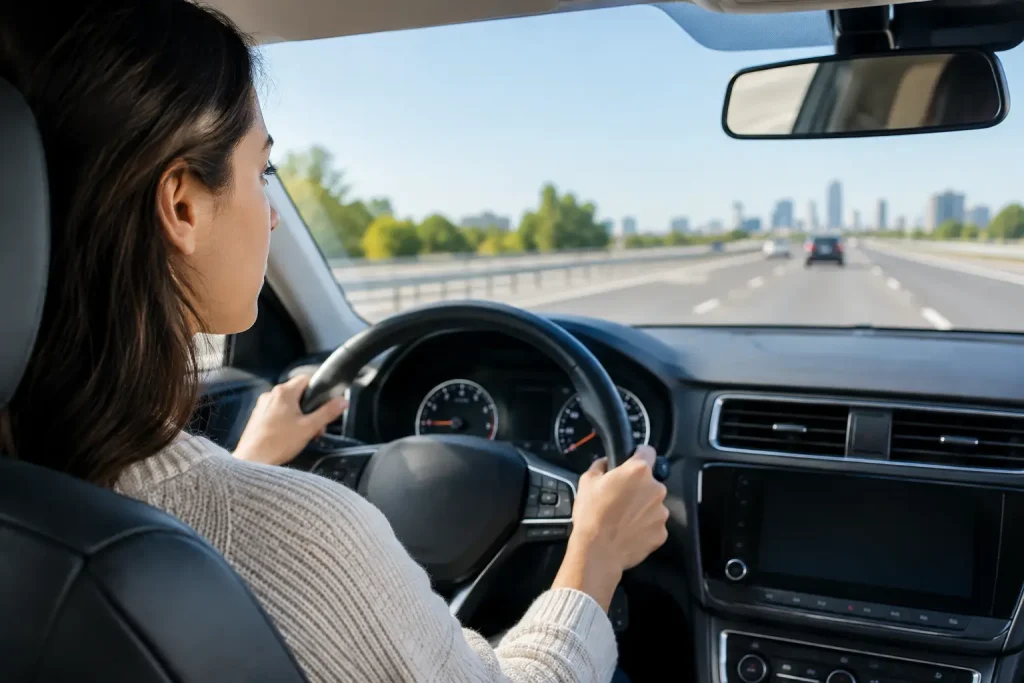
- Good visibility and a clear display. Speed and other key information are easy to see, which helps beginners keep track of their speed without staring at a small gauge.
- Low centre of gravity. The heavy battery sits low in the car, so it feels planted and stable through turns.
None of these features drive the car for you, but together they reduce the number of things a beginner has to think about at once.
What takes some getting used to
A Tesla also has a few habits you need to learn, and some of them can surprise beginners.
Strong acceleration
Electric cars deliver power instantly. Pressing too hard on the accelerator at a green light can make the car jump forward more than you expect. Your first lessons should include gentle, deliberate pedal work in a quiet area until it becomes natural.
One-pedal driving
Because the car slows when you lift off the accelerator, some learners start relying on that and forget to plan their stops or cover the brake. On a road test, the examiner wants to see smooth, complete stops at the right place, and in an emergency you still need to brake firmly with the brake pedal. Good instruction teaches both.
Touchscreen controls
Many functions sit on the central screen rather than physical buttons. Before you drive, learn where the essentials are: wipers, defrost, lights and climate settings. Adjusting these while moving takes your eyes off the road, so set them up before you pull away whenever you can.
Driver-assistance features
Teslas come with assistance features such as collision warnings and cruise control. They can add a layer of safety, but they are not a substitute for your own scanning and judgment. A learner needs to build habits that work in any car, so expect your instructor to have you drive without leaning on these features. A road test is a test of your driving, not the car’s.
Does learning in a Tesla help on the road test?
The Ontario G2 and G road tests are about how you drive: whether you check mirrors and blind spots, signal properly, come to full stops, keep a safe following distance, choose the right lane and react calmly. A comfortable car can reduce stress, and less stress usually means clearer thinking. That is a real advantage.
What it will not do is teach you the habits examiners look for. A learner who practises in a Tesla still needs to:
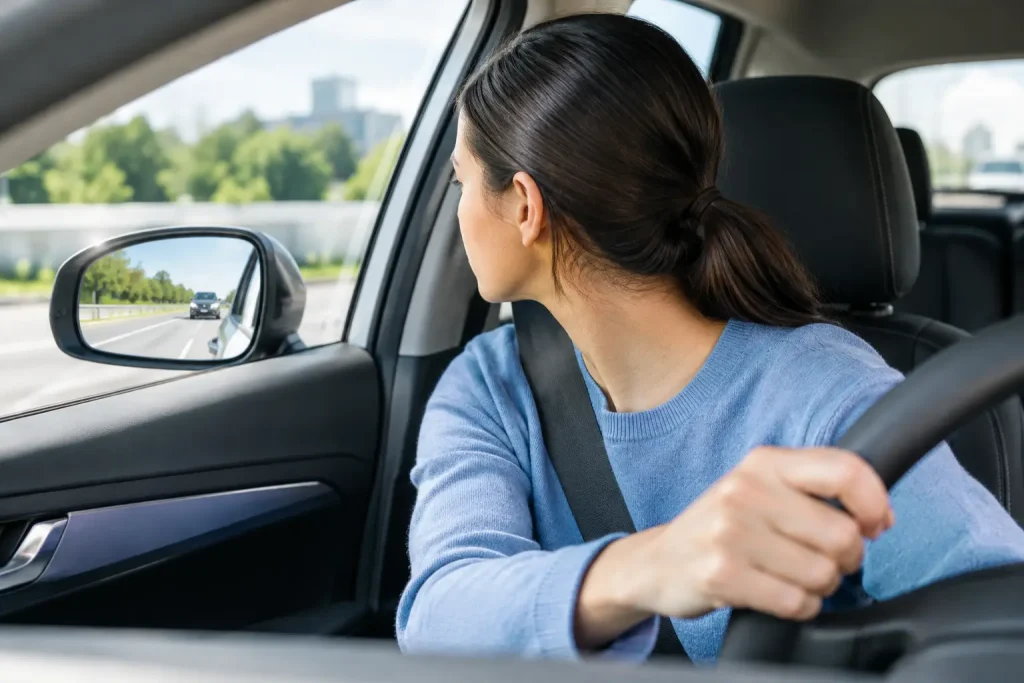
- Do proper shoulder checks before every lane change and turn
- Stop fully behind the line at stop signs, not just slow down
- Handle left turns at busy Ottawa intersections with good judgment
- Park accurately, including reversing
- For the G test, merge and change lanes smoothly on Highway 417 (the Queensway)
If you are curious about how the test works in general, our article on mastering your driving test in Canada walks through what to expect.
Will you be ready to drive other cars?
This is a fair question. Most cars on Ontario roads are automatic, so the basic controls you learn in a Tesla carry over to the cars most people drive: steering, braking, signalling and the way you look around. The main adjustments when you switch to a gas car are:
- The car does not slow down as strongly when you lift off the accelerator, so you will use the brake pedal more and need to plan stops earlier.
- Controls like wipers and lights are usually on stalks and buttons instead of a screen.
- Acceleration builds more gradually.
Most drivers adapt within a few drives. If you know you will be driving a family car after your licence, it is worth practising in that car too, with a licensed driver beside you while you hold your G1.
One thing a Tesla will not prepare you for is a manual transmission. If you ever need to drive stick, that is a separate skill to learn.
Winter driving in an electric car
Ottawa winters matter whatever you drive. An electric car still needs good winter tires, gentle inputs on slippery roads and much longer following distances. Strong acceleration means you have to be extra smooth on snow and ice, because too much pedal can make the tires spin. Cold weather also affects battery range, which is worth knowing once you start driving on your own. Our winter driving guide for Ottawa covers the basics.
Learning in a Tesla with AUTOZ
At AUTOZ Driving School in Ottawa, all our private lessons are one-on-one in automatic cars, and our fleet includes a Tesla. Lessons are available on weekdays and weekends. Our instructors teach the habits that work in any car, so you leave confident whether you end up driving a Tesla or a ten-year-old sedan.
If you are starting from your G1, our Ministry-approved BDE online course ($650 + HST) includes 10 hours of in-car training with a certified instructor and lets you take the G2 road test after 8 months instead of 12. You can see all lesson packages on our programs and prices page.
Frequently asked questions
Can I take my Ontario road test in a Tesla?
The car used for a road test needs to be safe, insured and in good working order. Requirements can change, so check with DriveTest if you have questions about a specific vehicle. If you book a road test package with a driving school, ask which car will be used so you can practise in it beforehand.
Is a Tesla harder to drive than a regular car?
Not harder, just different. The strong acceleration and regenerative braking take a lesson or two to get used to. After that, most beginners find it smooth and comfortable.
Will I struggle to drive a gas car after learning in a Tesla?
Usually not. Both are automatic, and the core skills are the same. Expect a few drives to adjust to braking feel and the location of controls.
Is learning in an electric car better for nervous drivers?
The quiet cabin and smooth response help some nervous learners feel more relaxed. What helps most, though, is a patient instructor and steady practice. Our tips on handling nervousness while learning to drive may also help.
Want to try a lesson in our Tesla? Book online, or send us a message on WhatsApp at 613-884-1705 and we will find a time that works for you.