The difference between a G2 test versus G test is not simply a harder version of the same drive. The G2 road test shows that you can handle everyday streets safely with an examiner beside you. The full G test asks whether you can make safe, independent decisions at higher speeds, on highways, and in faster-changing traffic. Knowing that difference can save you from booking before you are ready – or spending weeks practicing the wrong skills.
For Ottawa drivers, that distinction matters. A quiet neighborhood route may feel comfortable, but a full G test can quickly move to busy arterials, highway merges, lane changes, and exits. Confidence comes from practicing the situations your specific test will actually assess.
G2 Test Versus G Test: The Main Difference
Ontario uses graduated licensing. The G2 road test is the first practical road test that moves a new driver from a G1 to a G2 license. Once you have a G2, you can drive independently, subject to the conditions of that license. The G road test is the final practical test for a full Class G license.
The G2 test is generally focused on city and residential driving. Your examiner is watching how you control the vehicle, follow signs and traffic signals, position the car, communicate with other road users, and complete basic maneuvers. You will need to demonstrate safe turns, lane changes, intersections, parking, three-point turns, and roadside stops when requested.
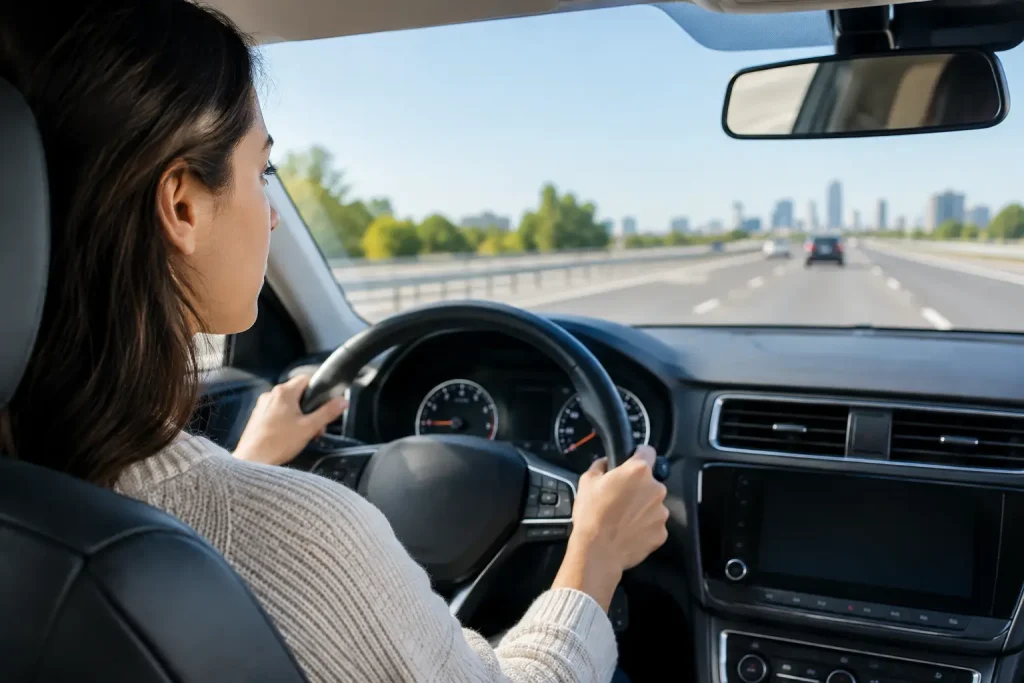
The G test still expects all of those fundamentals, but it places greater weight on higher-speed driving and decision-making. You may be assessed on entering a highway, building speed on the ramp, merging safely, maintaining proper following distance, changing lanes, exiting, and returning to city roads. It is less about showing that you know a maneuver and more about proving that your judgment stays steady when traffic moves faster.
Neither test is designed to trick you. Examiners are looking for safe, predictable driving. Small errors can happen, but a pattern of poor observation, unsafe speed choices, missed blind spots, or decisions that force another driver to react can lead to a failed test.
What the G2 Road Test Usually Assesses
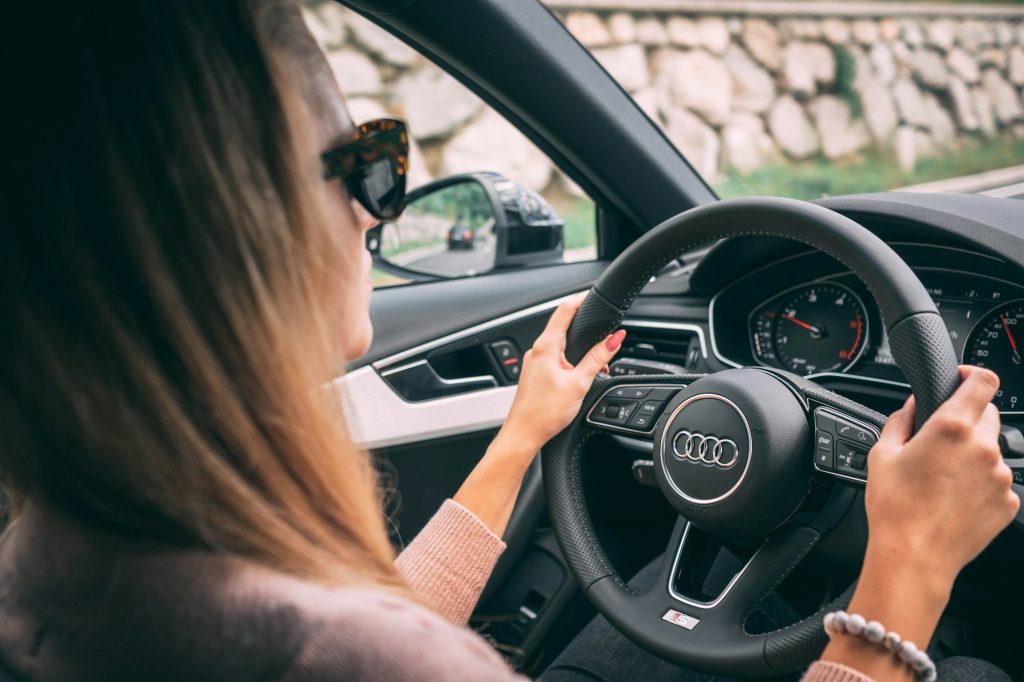
A G2 examiner wants to see that you can manage a vehicle without coaching. Before the car even moves, make sure your seat, mirrors, steering position, and visibility are set correctly. Starting a road test rushed or uncomfortable can affect everything that follows.
During the drive, your habits matter as much as your final result on a parking maneuver. Check mirrors regularly, scan well ahead, leave space behind the vehicle in front of you, and look through the intersection before proceeding. At stop signs, make a complete stop and check carefully for pedestrians, cyclists, and cross traffic.
Parking is often where new drivers become tense, especially parallel parking. The goal is not to perform a perfect, memorized sequence. The goal is to control the vehicle slowly, observe your surroundings, and finish in a legal, safe position. If a correction is needed, take it calmly when it is safe to do so.
A common G2 test mistake is treating the route like a lesson. On test day, the examiner gives directions, but they do not coach you through hazards or remind you to check your mirrors. You need to show the habits on your own.
Skills that deserve extra practice
For the G2 test, spend meaningful time on turns at busy intersections, lane changes, parallel parking, three-point turns, roadside stops, and residential speed control. Also practice driving where pedestrians, school zones, buses, parked cars, and cyclists create real decisions. Empty parking lots are useful at the beginning, but they cannot fully prepare you for live traffic.
What Changes on the Full G Road Test
The full G test is often stressful because highway driving feels less forgiving. Cars are moving faster, gaps close sooner, and hesitation can create risk. But the skills are learnable when you practice them in a structured way.
The most important highway skill is joining traffic at an appropriate speed. A merge is not a stop-and-wait situation unless traffic conditions truly require it. You need to accelerate on the ramp, check mirrors and blind spots, identify a safe gap, and enter without causing another driver to brake or swerve.
Once on the highway, stay aware of your speed, following distance, lane position, and traffic flow. Avoid drifting in the lane or driving at a speed that does not fit the conditions. Before changing lanes, use the full sequence: mirror check, signal, blind-spot check, move smoothly when the lane is clear, and cancel the signal.
Exiting takes planning too. Read signs early, signal in good time, move into the correct lane safely, and adjust your speed on the ramp. Sudden last-second lane changes are risky in real life and can seriously affect a test result.
Depending on the location and current testing procedures, the route and exact components can vary. That is why a practice drive on roads similar to your test area is more valuable than relying only on online videos or advice from friends.
Is the G Test Harder Than the G2 Test?
For most drivers, yes – but not because examiners expect flawless driving. The G test is harder because the consequences of poor observation or late decisions are greater at highway speeds. A missed blind-spot check before a lane change is a concern on any road, but it is especially serious when traffic is moving quickly.
That said, some drivers find the G test easier in another way. By the time you are eligible, you may have more experience driving independently. You have likely handled rain, darkness, rush-hour traffic, unfamiliar routes, and unexpected situations. If those experiences have built good habits, the G test can feel more natural than the G2 test did.
It depends on the quality of your experience. Driving often is helpful, but repeating weak habits is not. Rolling through stops, braking late, skipping shoulder checks, or relying on other drivers to make room may feel normal after a while. A professional assessment can identify those habits before an examiner does.
How to Prepare for the Right Test
Start by being honest about where your confidence drops. If parking is the issue, practice it deliberately. If highway merges make you nervous, do not avoid them until test week. Practice the full process several times with a calm, qualified instructor who can explain what to look for and when to act.
For a G2 test, build consistency on city streets first. You should be able to handle basic maneuvers while still scanning, signaling, and following traffic rules. For a G test, add regular highway practice and focus on merging, lane changes, exits, speed management, and safe spacing.
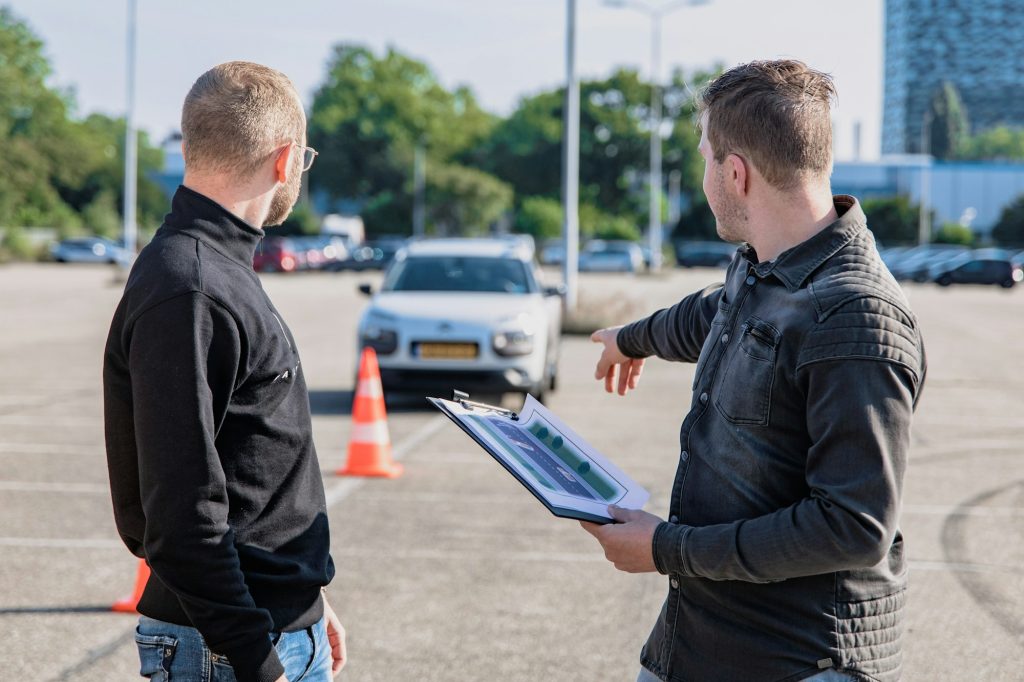
A mock road test can be one of the most useful final steps. It puts you in a test-like setting, reveals the mistakes that appear under pressure, and gives you a clear plan for improvement. The best feedback is specific: not just “watch your blind spots,” but when to check, what to look for, and how to make the habit automatic.
At Autoz Driving School, focused G2 and G road test preparation can help Ottawa drivers practice with a patient instructor, understand local driving conditions, and arrive with a plan rather than guesswork. A refresher lesson is especially useful if you have not driven recently, are retaking a test, or are new to Ontario roads.
Test-Day Habits That Help You Stay Calm
Get to the test center early enough to settle in. Bring the documents you need, make sure the vehicle is legal and roadworthy, and take a moment to adjust the seat and mirrors before the examiner arrives. Do not let a last-minute rush become the first mistake of the day.
During the test, listen fully to each instruction. If you genuinely do not hear or understand it, ask for it to be repeated rather than guessing. Keep your attention on the road, not on trying to read the examiner’s reactions. A quiet examiner does not mean you are doing poorly.
If you make a minor mistake, keep driving safely. Many candidates assume one imperfect turn or awkward parking adjustment means the test is over, then let anxiety cause additional errors. Reset, observe, and make the next safe decision.
The right road test is the one you have prepared for, not the one you hope will be easier. Give yourself enough practice to feel calm in real traffic, and your skills will have room to show.