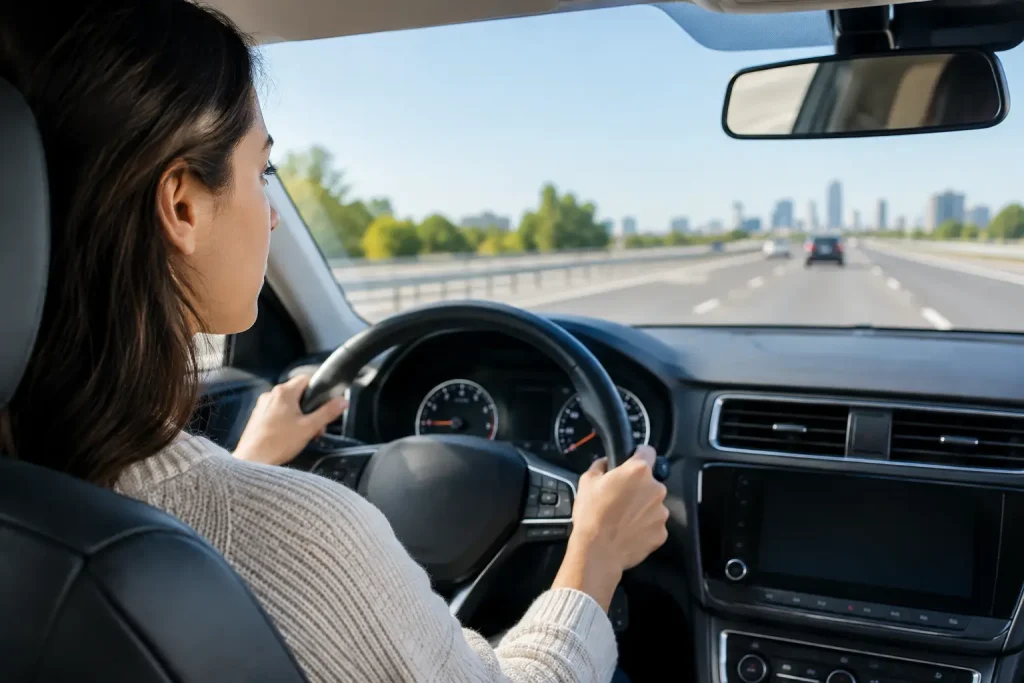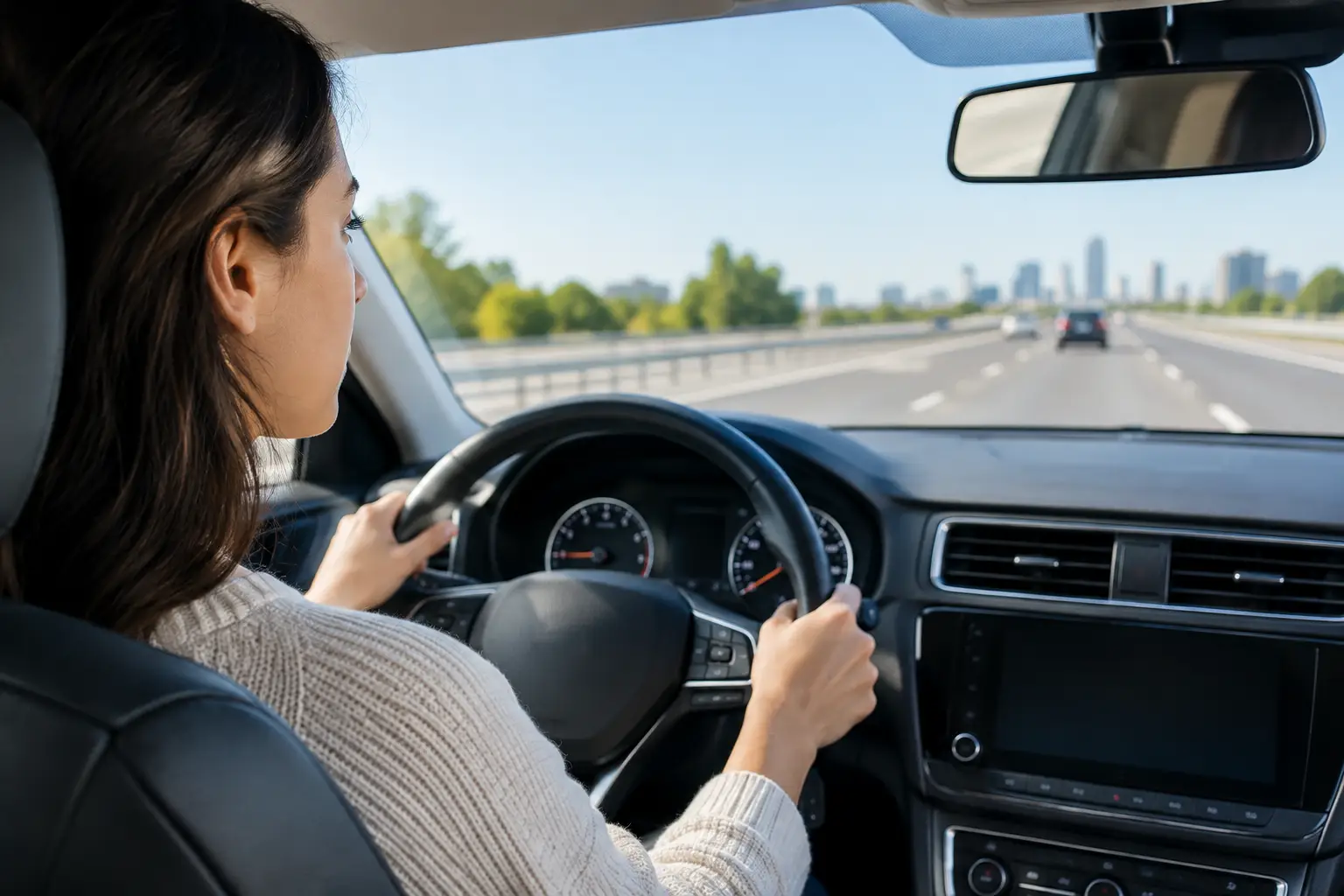
A freeway can feel completely different from city streets. Traffic moves faster, drivers have less time to react, and one rushed lane change can create a dangerous situation. This freeway driving safety guide is designed to help new and returning drivers build calm, repeatable habits before they enter high-speed traffic.
Confidence on the freeway does not come from forcing yourself to drive faster than you are ready for. It comes from knowing what to look for, where to position your vehicle, and how to make decisions early. With practice, freeway driving becomes less intimidating and much more predictable.
Prepare Before You Enter the Freeway
Safe freeway driving starts before the on-ramp. Set your mirrors, adjust your seat, choose your music or navigation, and put your phone away before moving. Trying to fix a mirror, answer a message, or search for an exit while traffic is moving at freeway speed takes your attention away at exactly the wrong time.
Know where you are going, especially when you are driving in an unfamiliar area. Navigation can be useful, but treat it as a guide, not a reason to make a last-second move. If you miss an exit, continue safely and take the next one. Missing an exit may cost a few minutes. Cutting across lanes can cost much more.
Before entering, scan the ramp, the lanes ahead, and your mirrors. Look for gaps in traffic early. You should already have an idea of which vehicles may affect your merge before you reach the end of the ramp.
Merge at the Speed of Traffic
The on-ramp is an acceleration lane, not a place to hesitate. One of the most common mistakes new drivers make is entering the freeway too slowly because they are nervous. That forces freeway traffic to brake or change lanes suddenly.
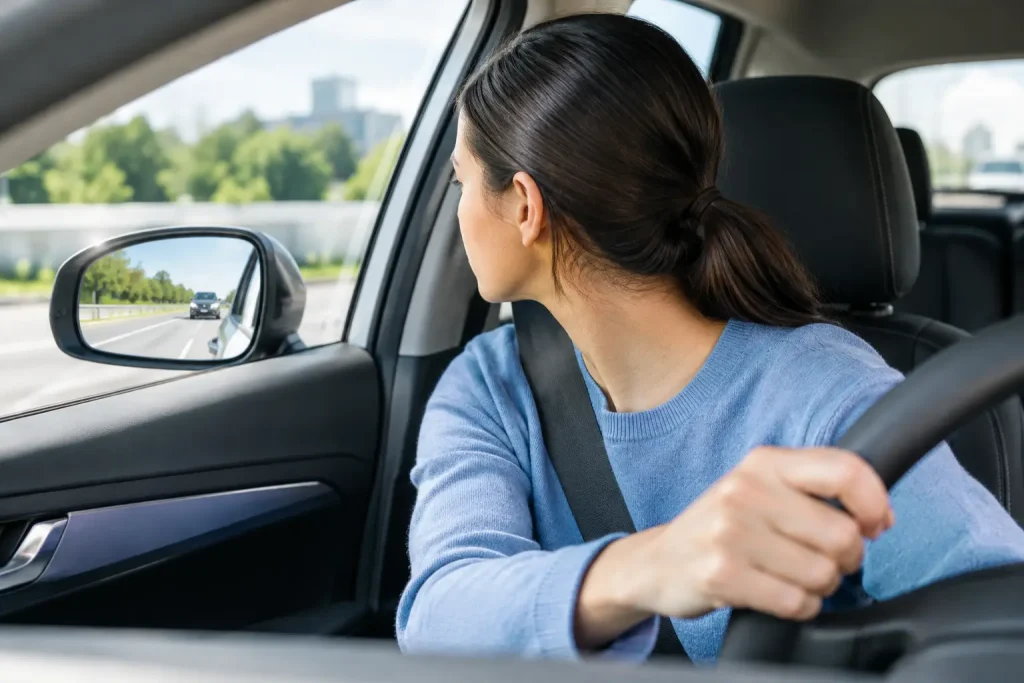
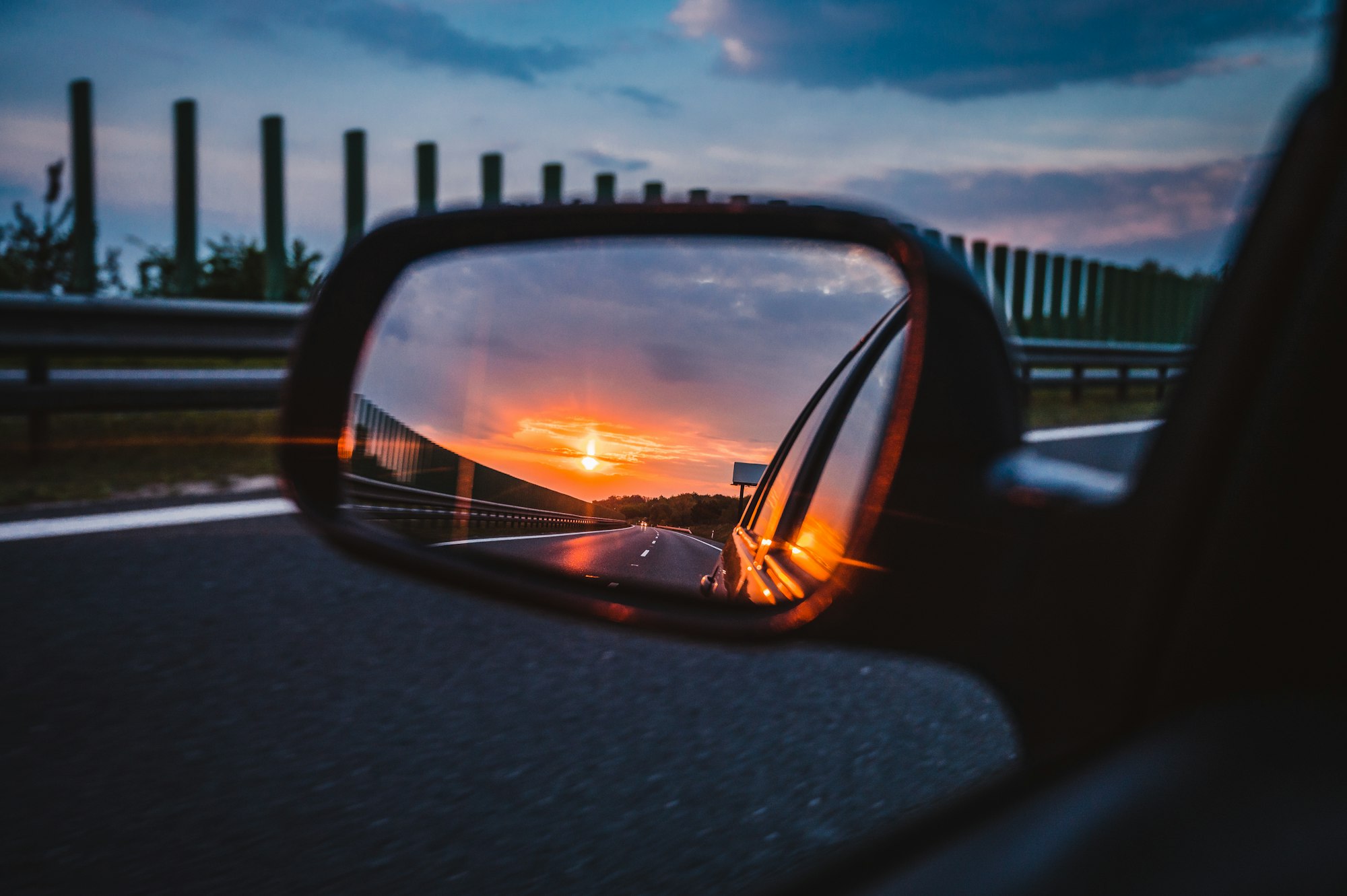
Build speed smoothly on the ramp so you are close to the flow of traffic. Check your rearview mirror, side mirror, and blind spot. Use your turn signal early, then look for a safe gap and merge decisively. Do not stop at the end of an on-ramp unless traffic conditions leave you no other safe choice.
You are responsible for yielding while merging, but freeway drivers can also help by creating space when it is safe to do so. Do not assume another driver will move over or slow down for you. Read the traffic, choose a gap, and be ready to adjust your speed.
Keep Your Eyes Moving
Looking only at the vehicle directly in front of you is not enough on a freeway. Your vision should move between the road ahead, your mirrors, signs, and the traffic pattern around you. This gives you more time to spot brake lights, congestion, lane closures, or a driver who is drifting.
Aim to look well ahead rather than staring at the pavement in front of your hood. The farther ahead you scan, the earlier you can ease off the accelerator instead of braking hard. Smooth adjustments make driving safer for you and for everyone behind you.
Choose the Right Lane and Leave Space
After merging, settle into a lane that matches your speed and your next move. The right lane is generally the best choice when you are not passing. Middle lanes can be helpful when there are frequent entrances and exits, while the left lane is typically for passing faster traffic.
Avoid staying in the left lane if you are not actively passing. Even if you are at the posted speed limit, a faster driver may approach from behind. Moving over when it is safe reduces pressure and helps traffic flow more predictably.
Following distance matters even more at freeway speeds. A simple rule is to keep at least a three-second gap in clear, dry conditions. Choose a fixed object ahead, such as a sign or bridge, and count after the vehicle ahead passes it. If you reach it before three seconds, ease back.
Increase that space in rain, snow, fog, darkness, heavy traffic, or when driving behind a large truck. Your vehicle needs more room to stop when the road is slippery, and your view may be limited by spray or glare. Space is not wasted road. It is your reaction time.
Make Lane Changes Calmly
A safe lane change is a planned move, not a quick correction. First, check traffic ahead and behind you. Signal early so other drivers understand your intention. Then check your mirrors and turn your head to check the blind spot before moving gradually into the next lane.
Do not change lanes because another driver is following too closely or because you are about to miss an exit. Stay calm, keep your lane, and make the safer choice. You can create space by gradually increasing your following distance, and you can always take the next exit.
Large trucks deserve extra caution. Their blind spots are bigger than most passenger vehicles, especially along the sides and directly behind the trailer. If you cannot see a truck driver’s mirrors, assume the driver cannot see you. Pass efficiently when necessary, but never cut closely in front of a truck.
Watch for These Freeway Hazards
Freeway conditions can change quickly. Stay especially alert around these common risks:
- Sudden slowdowns near construction zones, crashes, exits, and busy interchanges.
- Drivers merging without enough speed or changing lanes without signaling.
- Road spray, standing water, ice, and reduced visibility during poor weather.
- Distracted, aggressive, or fatigued drivers who brake late, tailgate, or drift between lanes.
You cannot control what other drivers do. You can control your speed, space, attention, and willingness to avoid unnecessary conflict.
Handle Speed, Weather, and Pressure Safely
The posted speed limit is a maximum under ideal conditions, not a target you must reach in every situation. Heavy rain, snow, ice, fog, roadwork, and dense traffic may require a slower speed. The right speed is the one that gives you enough time and distance to see, decide, and respond safely.
If visibility is poor, turn on your headlights and increase your following distance. Avoid using cruise control on wet, icy, or slippery roads because you may need immediate control of your speed. If your vehicle begins to hydroplane, ease off the accelerator, keep the steering wheel steady, and avoid sudden braking or sharp turns.
Do not let impatient drivers push you into bad decisions. A driver who tailgates, flashes headlights, or drives aggressively is giving you information: give them more space, avoid engaging, and move over when it is safe. Do not brake-check, race, or try to teach another driver a lesson.
If you feel overwhelmed, take the next safe exit, park somewhere appropriate, and reset. There is no benefit to continuing when your focus is slipping. Responsible drivers know when to take a break.
Practice Freeway Skills Before a Road Test
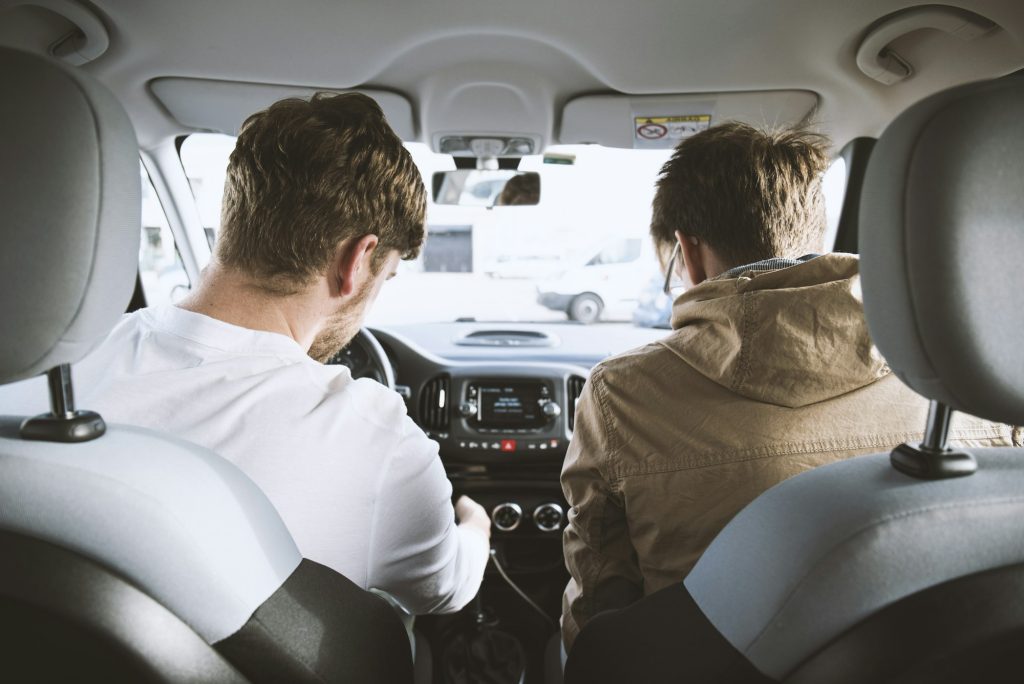
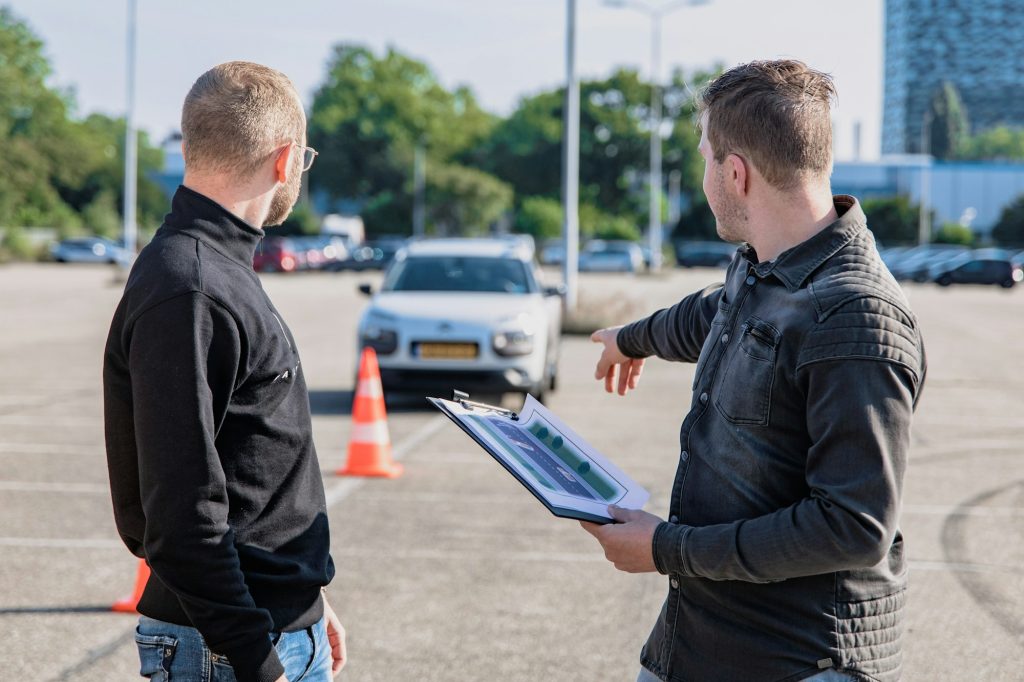
For new drivers, freeway practice should be gradual. Start at quieter times with an experienced, licensed instructor or supervising driver. Practice entering, exiting, maintaining a safe gap, changing lanes, and responding to traffic flow. Repeat the same skills until they feel routine rather than stressful.
It also helps to practice on different kinds of roads. A quiet freeway at midday is not the same as rush-hour traffic, nighttime driving, or wet pavement. Build difficulty over time. The goal is not to prove you can handle the hardest conditions immediately. The goal is to develop judgment you can use in any condition.
At Autoz Driving School, private lessons can help drivers practice real freeway decisions with patient coaching and clear feedback. A qualified instructor can spot habits that are easy to miss on your own, from late mirror checks to following too closely during a merge.
The best freeway drivers are not the ones making dramatic moves. They are the ones who stay alert, leave room, signal early, and give themselves time to choose the safe option. Every calm, well-planned drive is another step toward real confidence behind the wheel.