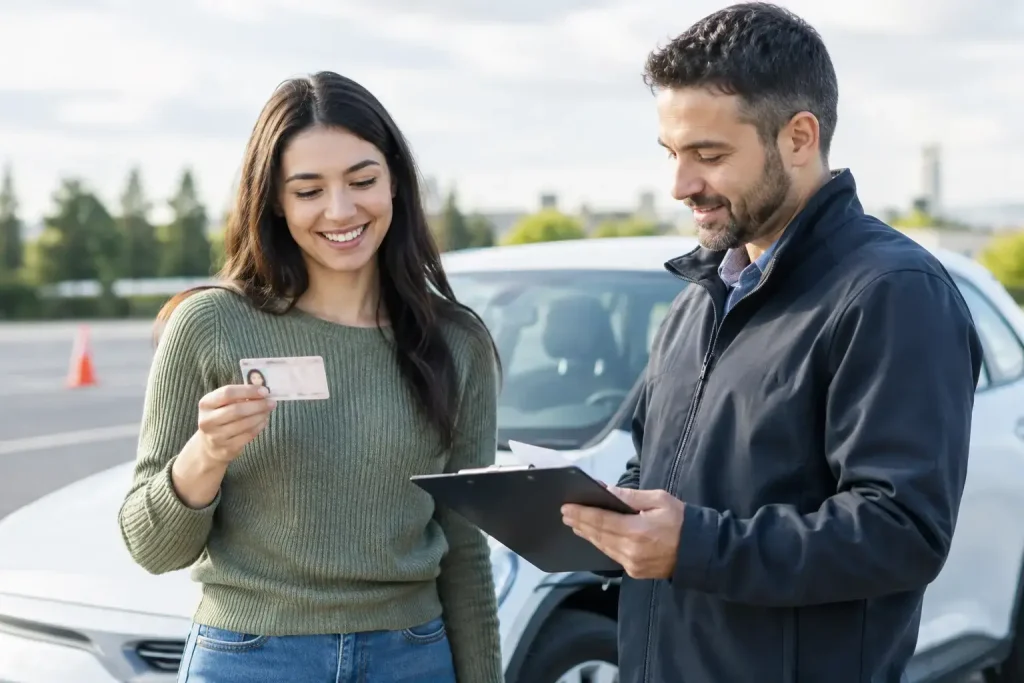
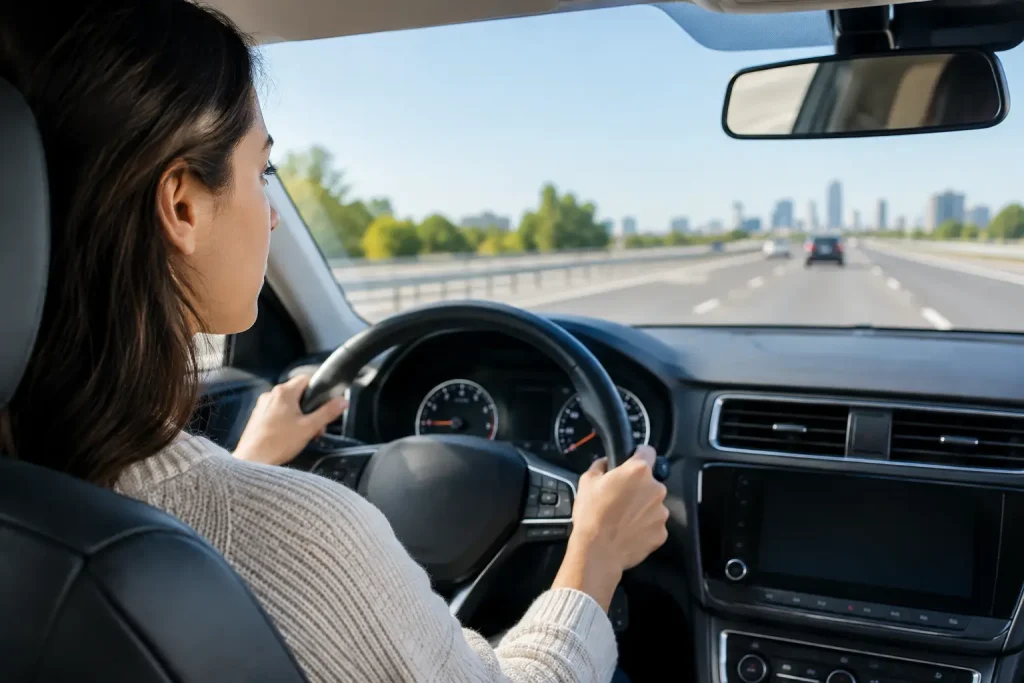
The most reliable way to handle driving anxiety is gradual, planned exposure: drive the situations that worry you in small, manageable steps, starting where you feel almost comfortable and building up as your confidence returns. For licensed drivers in Ottawa, that often means rebuilding comfort on quiet streets first, then busier roads, then the Queensway, ideally with a calm instructor beside you for the hardest steps.
This article is for people who already hold a licence. If you are still learning, read our guide to handling nervousness while learning to drive instead.
Why licensed drivers feel anxious behind the wheel
Having a licence does not mean driving feels easy. Anxiety often shows up in drivers who are perfectly capable, and it usually has a clear trigger.
- Highways and merging: higher speeds, heavy trucks and short on-ramps make Highway 417 and Highway 416 a common trigger.
- A long break from driving: after months or years without driving, skills feel rusty and traffic feels faster than you remember.
- A collision or near miss: even a minor crash can leave you tense at a particular intersection or type of manoeuvre.
- A new country or new car: newcomers who drove for years abroad can feel unsure about Canadian rules, winter roads and driving habits here.
- Winter conditions: snow, ice, low light and narrowed lanes are stressful for many Ottawa drivers.
- Feeling judged: worry about holding up traffic, honking or making a mistake in front of others.
Knowing your own trigger matters, because it tells you exactly what to practise.
Build a step-by-step exposure plan
Avoiding the roads that scare you feels better in the short term, but it tends to make anxiety stronger over time. A better approach is a ladder of small steps that you climb at your own pace.
- Write down your ladder. List the driving situations that worry you, from least stressful to most stressful. For example: quiet residential streets, a plaza parking lot, a two-lane arterial road, a busy downtown street, a short stretch of the Queensway, a longer highway drive in rush hour.
- Start one step below your comfort limit. Begin with something you can do with mild nerves, not panic.
- Repeat each step. Drive it several times until it feels routine, then move up one step.
- Choose easier conditions first. Practise a hard step on a dry weekend morning before you try it at 5pm on a weekday or in snow.
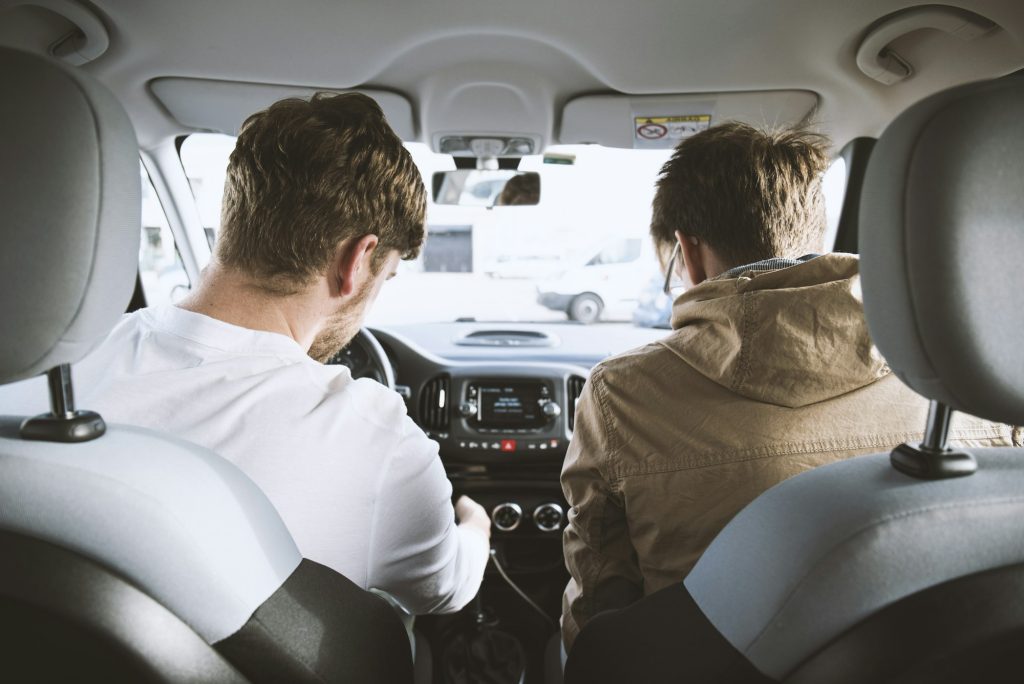
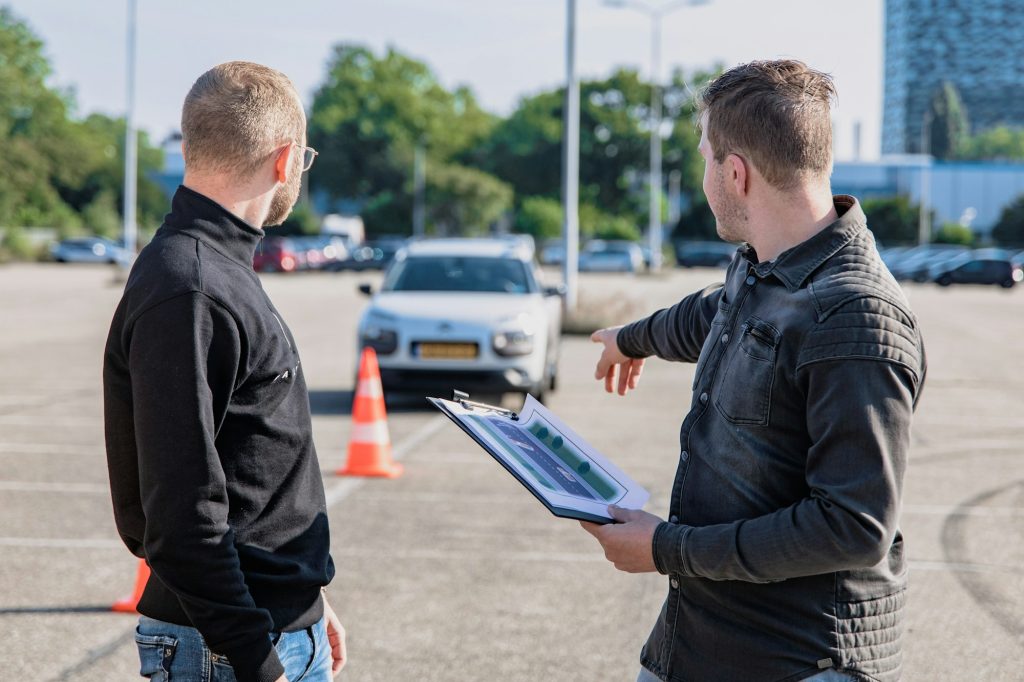
- Bring a calm passenger if it helps. A supportive friend, or a professional instructor, makes the first try at a hard step much easier.
Calm-down techniques that work in the car
You need techniques you can use while still paying attention to the road. Practise these at home first so they feel natural.
Slow breathing
Breathe in through your nose for about four seconds, then breathe out slowly for about six. A longer out-breath helps your body settle. Use it at red lights, before you merge, or while waiting in traffic.
Loosen your grip
Anxious drivers often grip the wheel hard and lift their shoulders. Relax your hands, drop your shoulders and sit back in the seat. Your body sends calmer signals to your brain.
Narrate your driving
Quietly describe what you see and what you are doing: “Green light, checking left, checking right, mirror, going.” It keeps your mind on the task instead of on what might go wrong.
Have an exit plan
Knowing you can leave the highway at the next exit, or pull into a parking lot, takes a lot of pressure off. If you ever feel overwhelmed, signal, pull over somewhere safe and legal, and take a few minutes to breathe before you continue. On a highway, use the next exit or rest area rather than stopping on the shoulder unless it is an emergency.
Practical ways to lower stress before you drive
- Plan the route and look at it on a map so you know which lane you need for each turn and exit.
- Leave early so you are never rushing. Running late adds pressure you do not need.
- Set up the car first: seat, mirrors, navigation and climate control, all before you pull away.
- Remove distractions. Silence your phone and keep it out of reach. Hand-held phone use while driving is illegal in Ontario anyway.
- Choose your timing. If rush hour is your trigger, practise outside it at first. Our guide to safe driving in Ottawa’s rush hour can help when you are ready.
- Keep space around you. A bigger following distance gives you more time to react, and more time means less pressure.
Situations that need extra care
After a collision
It is normal to feel shaken after a crash, even a small one. Start back with short, easy drives and work up gradually. If the fear is intense, lasts a long time or affects your sleep or daily life, talk to your doctor or a mental health professional. They can help in ways a driving lesson cannot.
Newcomers driving in Canada
If you drove for years in another country, the skills are still there, but the rules and conditions may be new. Learn the Ontario rules that differ from home, practise in winter conditions with support, and see our guide to driving rules in Canada for newcomers.
Returning after a long break
Treat it like a refresher course. A few hours on familiar local roads, then gradually busier ones, usually brings the old habits back faster than people expect.
How AUTOZ helps nervous drivers
At AUTOZ Driving School, we work with licensed drivers who want to feel confident again, not only with learners. Our certified instructors give patient, one-on-one private lessons in automatic cars, including a Tesla. We can build a lesson around exactly what worries you, whether that is merging onto the Queensway, driving downtown or getting comfortable on snowy roads.
You can choose lessons from 1 to 10 hours on weekdays or weekends. If you want to see what other students say, read our +230 Google reviews, or browse all programs and prices.
Frequently asked questions
Is driving anxiety common in experienced drivers?
Yes. Many licensed drivers feel anxious in certain situations, such as highways, heavy traffic or after a scare. Feeling anxious does not mean you are a bad driver, and it usually improves with gradual, supported practice.
Can driving lessons help if I already have my licence?
They can. A refresher lesson lets you practise difficult situations with a calm professional beside you who can give you specific feedback. Even a short lesson focused on your trigger roads can give you a clear plan for practising on your own.
How do I get comfortable on the highway again?
Start with a short highway section at a quiet time, entering and exiting at the next ramp. Repeat until it feels routine, then add distance and busier times. Practising merging with an instructor is a safe way to take the first steps.
When should I see a professional about driving anxiety?
If anxiety causes panic attacks, stops you from driving altogether or followed a traumatic event, speak to your doctor or a mental health professional. Driving lessons work well alongside that support.
If you are ready to take the first step, you can book a lesson online or send us a message on WhatsApp at 613-884-1705 to talk about what feels hardest for you. We will go at your pace.