Choosing between a BDE course versus private lessons can feel confusing when your goal is simple: become a safe, confident driver and pass your G2 test without wasting time or money. The right choice depends on where you are starting, how much driving experience you have, and whether you need a complete learning plan or focused help with specific skills.
For many Ottawa learners, the best answer is not about choosing the “better” option. It is about choosing the training that matches your needs now and gives you a clear path to the road test.
BDE Course Versus Private Lessons: The Real Difference
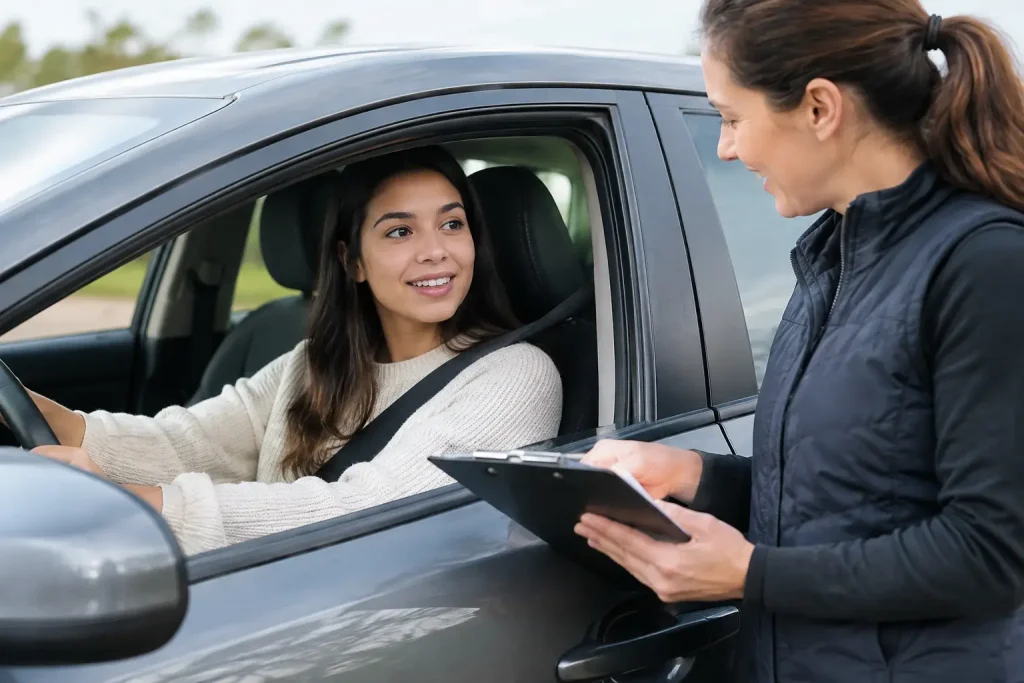
A Beginner Driver Education, or BDE, course is designed for new drivers who need a structured foundation. It combines formal learning with practical in-car training and covers the habits that help drivers stay safe long after the test is over. A certified BDE program may also allow eligible students to take their G2 road test sooner in Ontario and can sometimes support an insurance discount, depending on the insurance provider.
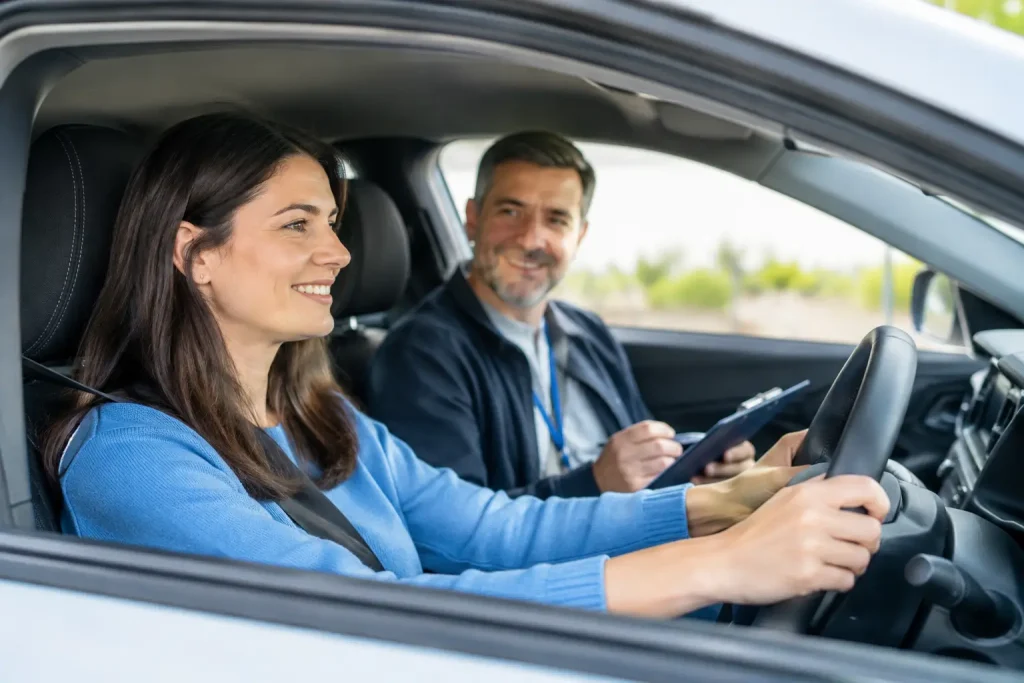
Private lessons are one-on-one sessions built around your individual needs. They are ideal when you already understand the basics but need more practice, have not driven in a while, are preparing for a road test, or want patient coaching in the areas that make you nervous.
The biggest difference is structure. A BDE course follows a complete curriculum. Private lessons focus on the exact gaps between where you are now and where you need to be.
What You Get From a BDE Course
A BDE course is a strong starting point for teens, first-time drivers, and newcomers who are learning Ontario driving rules for the first time. Instead of trying to piece together advice from family, friends, and online videos, you learn through an organized program that builds skills in the right order.
A safer foundation before test practice
New drivers need more than parking practice. They need to understand right-of-way rules, blind spots, space management, speed control, defensive driving, sharing the road with cyclists and pedestrians, and how to respond calmly when traffic becomes unpredictable.
A quality BDE course gives you time to build these habits before the pressure of a road test enters the picture. That matters because examiners are not only looking for a successful lane change or parallel park. They are watching for observation, judgment, control, and safe decision-making throughout the drive.
For a beginner, this structure can prevent a common problem: practicing the same mistakes repeatedly. If a new driver learns to brake too late, turns too wide, or checks mirrors inconsistently, those habits can become difficult to correct later. Early professional instruction helps create a stronger base.
Potential timing and insurance benefits
Ontario-approved BDE training can reduce the waiting time before a driver is eligible to take the G2 road test, provided all course requirements are completed and recorded properly. This can be valuable for students who want to move forward efficiently while still receiving proper training.
Some insurers also recognize BDE completion when calculating rates. It is not an automatic discount, and the amount varies by provider, so always confirm directly with your insurer. Still, for many families, the potential long-term value makes a certified course worth considering.
A clear plan for complete beginners
The best BDE course for a new driver includes both learning material and in-car instruction. Before enrolling, ask what is included, how lessons are scheduled, and whether you will receive enough practical time to apply what you learn. Online learning can be flexible and convenient, but it should be paired with focused behind-the-wheel coaching.
When Private Lessons Are the Better Choice
Private lessons are not a lesser option. For many learners, they are the fastest and most effective route to real improvement because every minute is focused on the driver in the seat.
If you already have a learner’s permit, have practiced with family, and feel mostly comfortable on the road, a full BDE program may be more training than you need. What you may need instead is an instructor who can identify the habits holding you back and correct them before test day.
Personalized coaching for real road-test challenges
Private instruction is especially useful for drivers who struggle with lane changes, left turns at busy intersections, reverse parking, highway merging, three-point turns, or maintaining the right speed. These are not problems that improve just because you spend more hours behind the wheel. They improve when someone explains what to look for, when to act, and why a certain decision was unsafe or late.
A patient instructor can also adjust the lesson to your comfort level. If heavy traffic makes you anxious, you can build up gradually. If you are confident with neighborhood driving but weak on faster roads, the lesson can spend more time on merging, following distance, and checking blind spots.
Better support for test retakers and returning drivers
Failed a G2 or G test? Private lessons can help you move beyond the frustration and focus on the examiner feedback. A test failure does not always mean you cannot drive. It may mean you missed observations at intersections, did not make a safe lane change, or lost points on a maneuver because of timing and control.
The same is true for adults returning to driving after years away. You may not need beginner classroom material. You may need calm, practical time behind the wheel to rebuild confidence in traffic, parking lots, major roads, and test conditions.
Cost, Time, and Value
A BDE course usually requires a larger upfront commitment because it includes a broader program. It can offer excellent value for a true beginner, especially when eligibility timing and possible insurance considerations matter to your family.
Private lessons are more flexible. You can book a small number of sessions, add more as needed, and focus your budget on the skills that matter most. This is often the practical choice for experienced learners, test retakers, or busy adults who cannot commit to a complete course schedule.
The lowest price is not always the best value. A few cheap lessons that do not address your weak points can lead to a failed test, another booking fee, more waiting, and even more lessons later. Clear pricing, a realistic recommendation, and instruction that produces visible improvement are usually worth more than a bargain package with no plan.
How to Decide What You Need
Ask yourself one honest question: do you need to learn how to drive, or do you need to improve how you drive?
Choose a BDE course if you are starting from zero, want organized instruction, need a full foundation in Ontario road rules and safe habits, or want to pursue the benefits that may come with approved BDE completion.
Choose private lessons if you have driving experience, need targeted test preparation, want flexible scheduling, or need help overcoming a specific issue. Private lessons are also a smart choice when you want an instructor to assess your skills before committing to a larger package.
If you are somewhere in the middle, begin with an assessment lesson. A professional instructor can see much more in one drive than you may notice on your own. You might be closer to test-ready than you think, or you may discover a few habits that need attention before they cost you points.
Combining Both Can Be the Smartest Move
For many new drivers, the strongest plan includes both structured education and personalized practice. A BDE program gives you the foundation. Private lessons give you extra time to sharpen the skills that need more attention and prepare for the specific demands of the G2 or G road test.
This combination is particularly helpful for anxious drivers. You can learn the rules and core techniques at a comfortable pace, then use one-on-one sessions to practice difficult routes, busy intersections, parking maneuvers, and independent decision-making. The goal is not to memorize a route. It is to be prepared for any safe, legal driving situation an examiner may present.
At Autoz Driving School, drivers can choose training that fits their starting point, schedule, and road-test goals. Whether you need a digital BDE course, focused in-car lessons, or a final confidence-building session before test day, the right instruction should feel clear, patient, and purposeful.
The best choice is the one that leaves you calmer in the driver’s seat, more aware of the road around you, and ready to make safe decisions even when nobody is coaching from the passenger seat.