Your first time in the driver’s seat can feel bigger than it is. You may be worried about stalling, turning too wide, missing a sign, or having an instructor notice every small mistake. The best first driving lesson tips are not about being perfect before you start. They are about arriving prepared enough to listen, practice safely, and leave with more confidence than you had when you arrived.
A good first lesson should feel calm, structured, and manageable. You are not expected to drive like someone ready for a road test. You are there to learn the basic routines that make safe driving possible: setting up the car, looking well ahead, controlling speed, steering smoothly, and making thoughtful decisions.
Best First Driving Lesson Tips Before You Get In
Start by wearing the right shoes. Choose flat, secure footwear with a thin enough sole to feel the pedals. Avoid heavy boots, loose sandals, or shoes that can slip off. It sounds minor, but pedal control is one of the first things you will practice, and comfortable footwear makes a real difference.
Bring your learner’s permit or required identification, along with glasses or contacts if you use them for driving. If you are unsure what to bring, confirm it before your appointment. Showing up a few minutes early also helps you begin without rushing. A lesson is much more productive when your first few minutes are not spent trying to settle down after a stressful arrival.
Try to eat something light and drink water beforehand. Driving requires concentration, especially when everything is new. You do not need a big meal, but being hungry, dehydrated, or exhausted can make nerves feel stronger and reduce your focus.
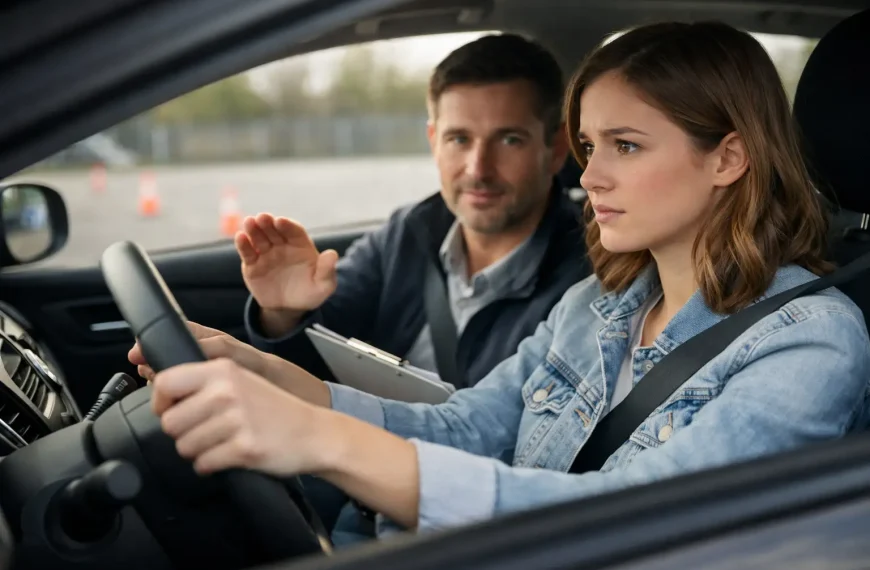
It also helps to set one simple expectation: your instructor is not there to judge you. They are there to keep the lesson safe, explain what matters, and correct habits before they become difficult to change. Questions are part of the lesson, not a sign that you are behind.
Tell Your Instructor What Feels Hard
Be honest at the beginning. If you have never driven, say so. If you have practiced with family but feel tense around traffic, say that too. Maybe you are comfortable moving the car but unsure about braking smoothly, or maybe intersections make you freeze. Clear information helps your instructor adjust the pace and choose an appropriate practice area.
Your first lesson may begin in a quiet residential street or open parking area rather than a busy Ottawa roadway. That is not a setback. Learning in a lower-pressure setting gives you space to understand the controls without dealing with heavy traffic at the same time.
You should also mention any prior experience that affects the lesson. For example, a student who has driven overseas may know basic vehicle control but need help with local rules, road signs, and lane habits. An adult learner returning after many years may need a slower refresher approach. The right instruction is personal, not one-size-fits-all.
Set Up the Car Before You Move
A safe drive begins before the car moves. Your instructor will likely guide you through adjusting the seat, steering wheel, mirrors, and head restraint. Do not rush this routine. If you cannot reach the brake pedal comfortably or your mirrors are poorly positioned, every other task becomes harder.
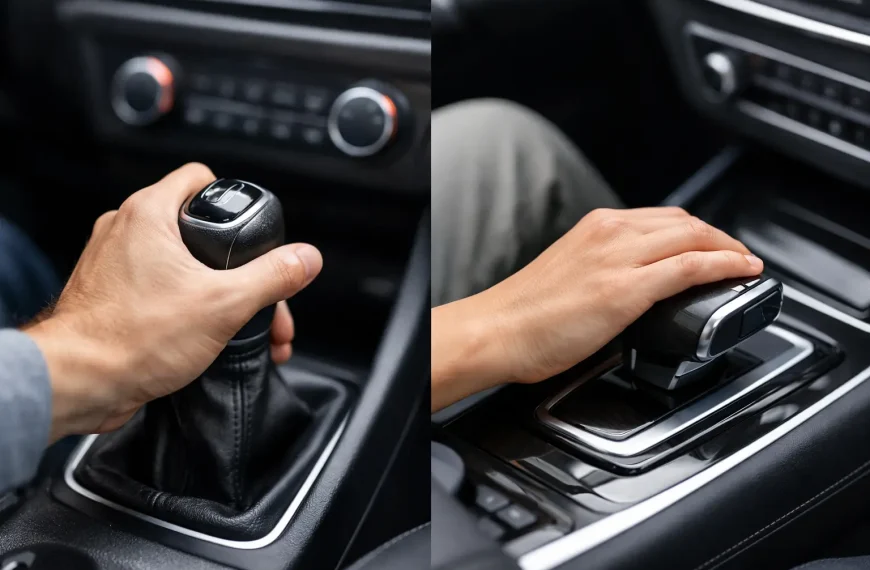
Sit close enough to press the brake firmly without locking your knee. Keep your back supported and your hands relaxed on the wheel. Your mirrors should show the road behind and beside you, not large sections of your own vehicle. Then take a moment to identify the turn signals, wipers, headlights, defroster, parking brake, gear selector, and emergency lights.
These controls can feel like a lot on day one. You do not need to memorize every button immediately. Focus first on the controls you will use during the lesson, and ask when you are unsure. Guessing is never the right move when operating a vehicle.
Focus on Smoothness, Not Speed
Most beginner mistakes come from trying to do too much too quickly. New drivers often press the gas too firmly, turn the wheel too sharply, or brake late because they are focused on what is directly in front of the hood. Your goal is controlled movement, not fast progress.
Look well ahead, keep both hands ready on the wheel, and use gentle pedal pressure. A smooth stop begins early. A smooth turn starts with looking where you want the vehicle to go. If the car does not respond perfectly the first time, that is normal. The lesson gives you a safe place to repeat the skill until it feels more natural.
Avoid comparing yourself to friends or family members who learned quickly. Everyone starts with a different comfort level, and confidence built through safe repetition lasts longer than confidence built through rushing.
Learn the Observation Routine Early
Safe driving depends on what you notice before you act. Your instructor may coach you to check mirrors, scan intersections, watch for pedestrians, and look for cyclists before changing direction or speed. This can feel overwhelming at first because your eyes are moving while your hands and feet are working too.
Break it into a routine. Before moving, check your surroundings. Before turning, look ahead and scan for people crossing. Before changing lanes, check mirrors and your blind spot. Before braking, look farther down the road so you can recognize changes sooner.
Do not stare at the hood or fixate on the car directly ahead. Looking farther ahead gives you more time to react and leads to smoother braking. This habit will help you in every lesson and later on your G2 or full G road test.
How to Handle Mistakes During Your First Lesson
You will make mistakes. You may brake too hard, forget a signal, take a wide turn, or need a reminder about where to look. None of those moments means you cannot become a safe driver. What matters is how you respond.
When your instructor corrects you, try not to apologize repeatedly or replay the mistake in your head. Listen to the correction, ask a question if needed, and try the skill again. One missed mirror check can become a useful lesson in building a consistent mirror routine. One rough stop can teach you to begin braking earlier.
If you feel overloaded, say so. A patient instructor can slow down, repeat directions, or pull over briefly to explain the next step. Speaking up is safer than pretending you understand when you do not.
There is a difference between healthy nervousness and being too overwhelmed to focus. If anxiety is making it hard to follow directions, take a breath and narrow your attention to the next safe action. You do not need to solve the whole drive at once. You only need to handle the next turn, the next stop, or the next lane position.
Make Every Lesson Build Toward Your Goal
A first lesson is the beginning of a process, not a one-time event. Before you finish, ask your instructor what you did well and which one or two skills should be your focus next time. Specific feedback is more useful than simply asking whether you were “good.”
For example, your next goal might be smoother braking, earlier mirror checks, steadier lane position, or more confident right turns. Small, clear goals help you see progress and prevent practice from feeling random.
Practice between lessons can help, but only when it is safe, legal, and supervised according to your license conditions. Short, focused practice sessions are often better than long drives where you become tired or frustrated. Repeating the setup routine, basic turns, and controlled stops builds muscle memory.
Students preparing for Ontario licensing also benefit from instruction that reflects the roads they will actually drive. Local traffic patterns, school zones, multi-lane intersections, highway entrances, and road test expectations all require practical coaching. At Autoz Driving School, lessons are designed to build those skills gradually, with patient feedback and clear preparation for the next stage of your license.
Bring a Learning Mindset, Not a Passing Mindset
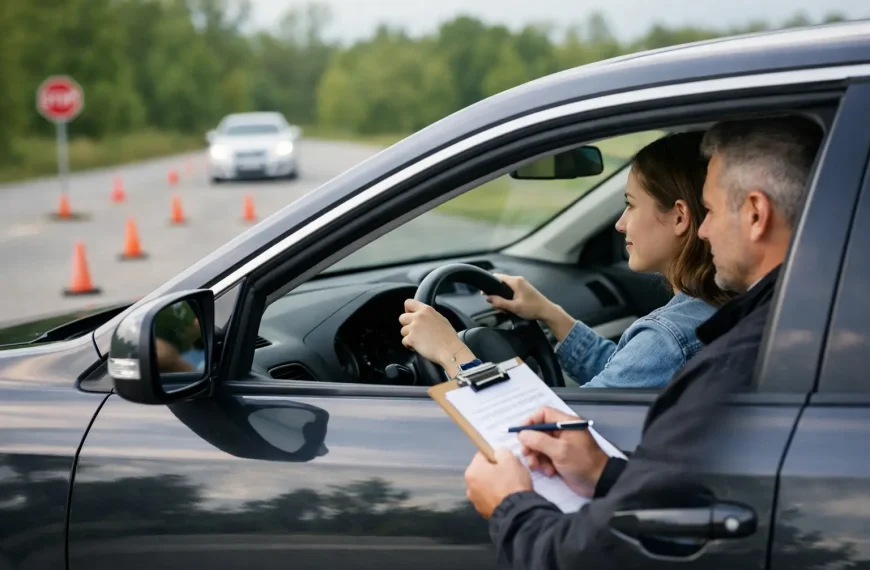
It is natural to think about passing a test, especially if you want your G2 or full G license as soon as possible. But the fastest path to a strong test result is learning to drive safely when nobody is scoring you. Road test examiners can spot rushed observation, weak lane control, late braking, and uncertainty at intersections. Those habits are best corrected early, not crammed at the end.
Give yourself permission to be a beginner. Pay attention to the feedback that repeats, practice one skill at a time, and celebrate the small wins – a smooth stop, a well-timed signal, a calm turn through an intersection. Confidence does not arrive all at once; it grows each time you make a safe choice behind the wheel.