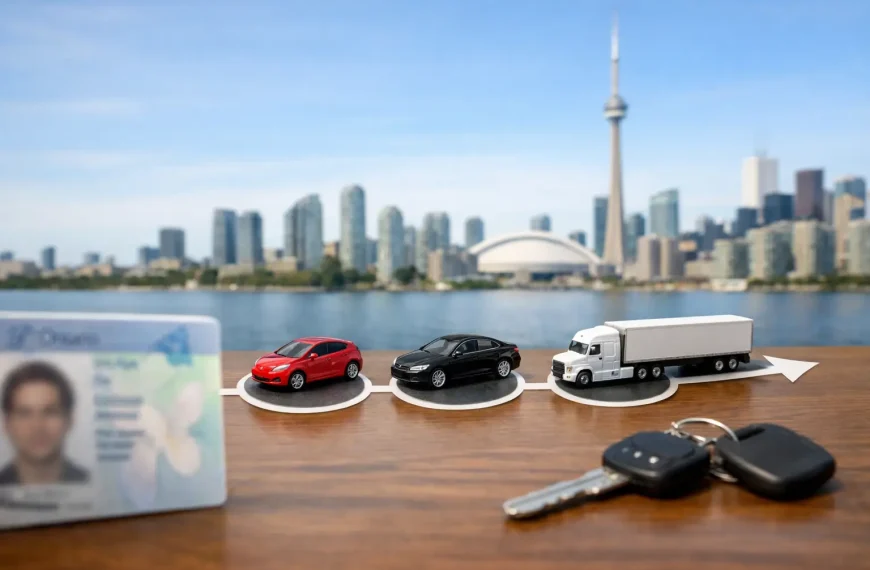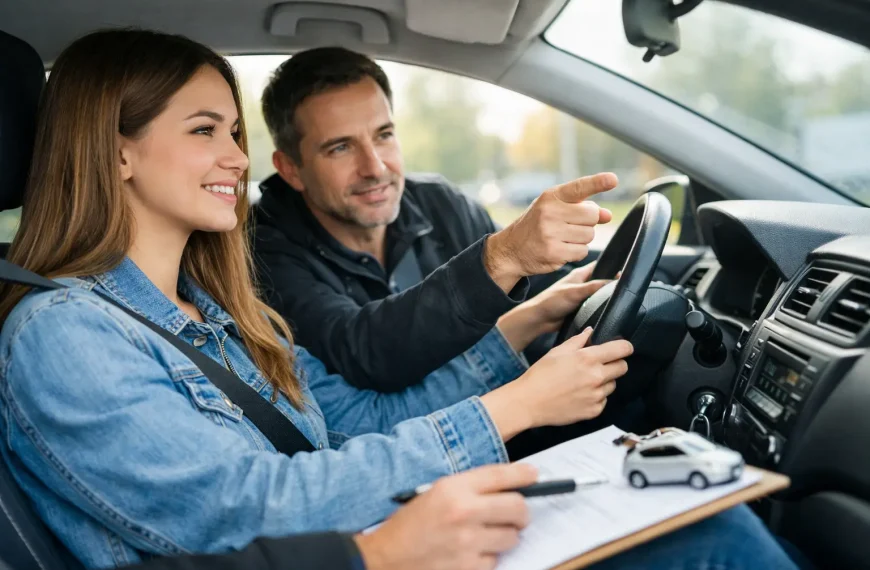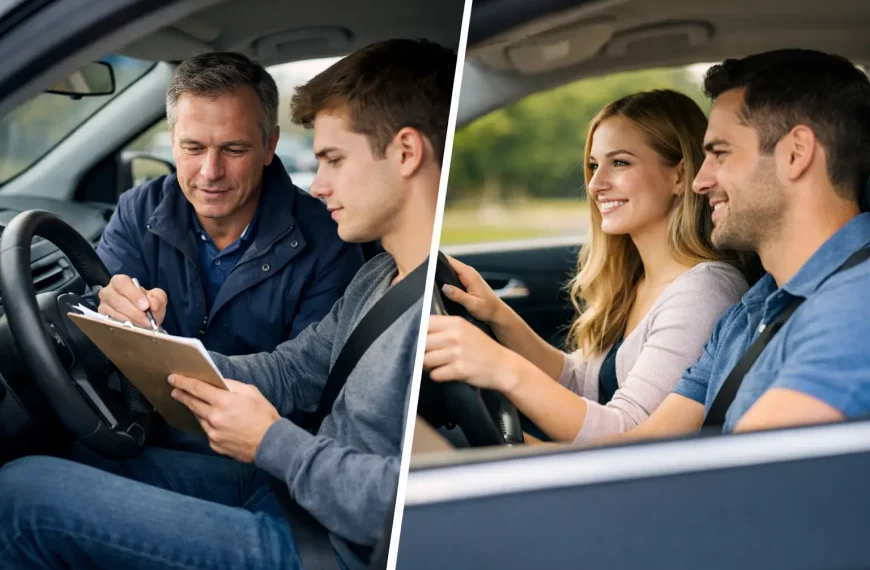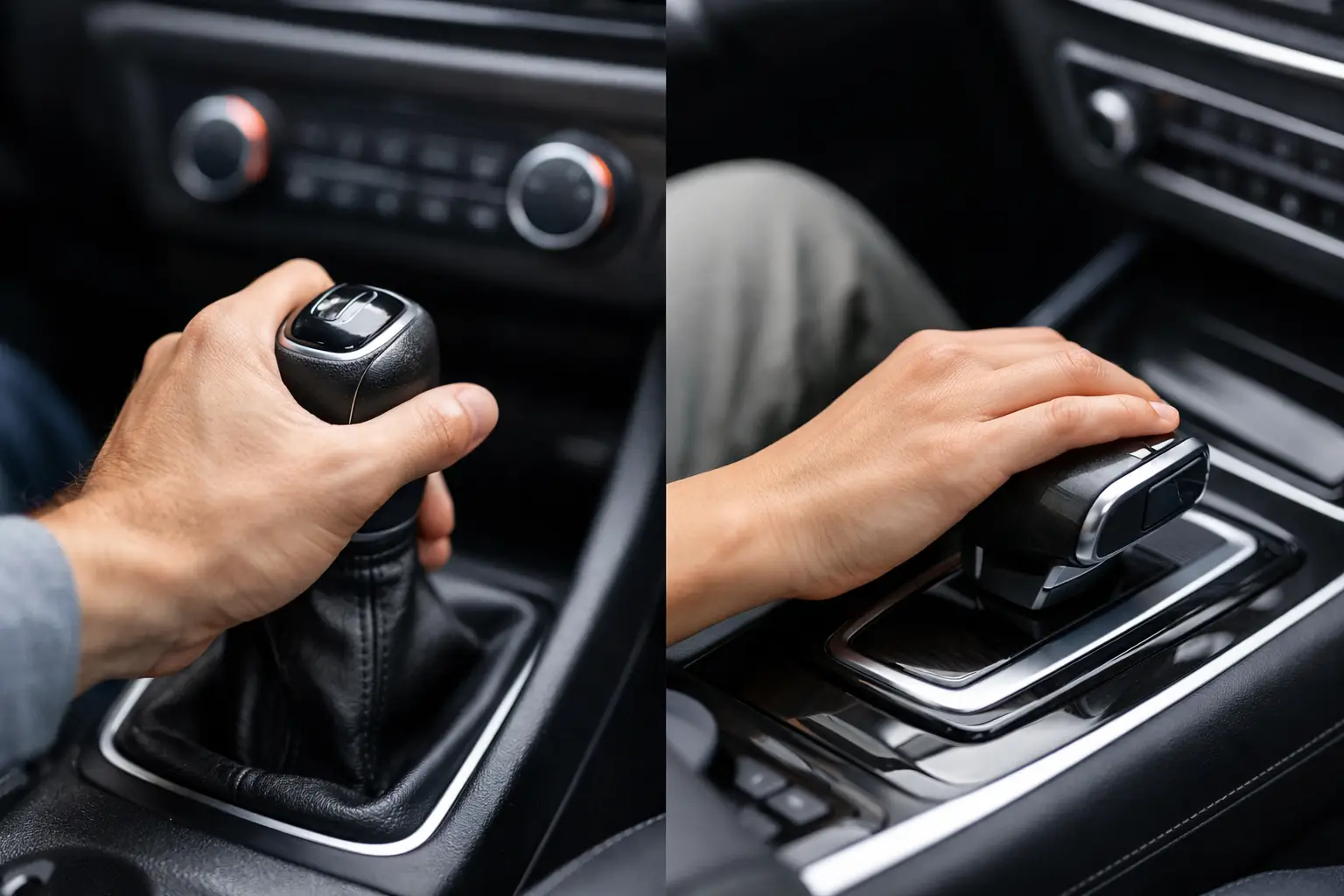
A stalled engine at a busy Ottawa intersection can feel like every driver is watching. That fear is one reason manual versus automatic driving lessons is not just a question about cars. It is a choice about how you want to learn, what you need for your road test, and how quickly you want to build calm, reliable driving habits.
For most new drivers preparing for a G2 test, automatic lessons are the more direct path. Manual lessons can still be a smart investment for learners who expect to drive a stick shift regularly or simply want the added skill. The right answer depends on your goals, access to a vehicle, budget, and comfort level behind the wheel.
Manual Versus Automatic Driving Lessons: The Real Difference
Both lesson types teach the same core skills: observation, lane position, safe following distance, right-of-way decisions, parking, highway driving, and the judgment needed to handle Ottawa traffic safely. Your instructor should focus on the habits that make you a dependable driver, not just someone who can complete a few maneuvers for a test.
The difference is the amount of attention required to operate the vehicle. In an automatic, the car handles gear changes. You can give more mental energy to scanning intersections, checking mirrors, managing speed, and anticipating what other road users may do.
In a manual vehicle, you also learn clutch control, selecting gears, moving off smoothly, slowing down without stalling, and hill starts. Those are valuable skills, but they add another layer during the early lessons. A learner who is still trying to coordinate the clutch may initially have less attention available for traffic conditions.
That does not make manual driving unsafe or less worthwhile. It means the learning curve is different. Patient instruction and repeated practice make a major difference, especially when your first few starts feel awkward.
Why Automatic Lessons Work for Most G2 Candidates
Automatic driving lessons are popular because they help new drivers reach practical road-test readiness efficiently. You press the brake, select drive, and focus on the road. For a teen with limited practice time, a busy adult learner, or a newcomer adjusting to local traffic rules, that simplicity can lower stress immediately.
Automatic lessons are particularly useful when your main goal is passing the G2 road test with confidence. Test examiners are looking for safe, controlled decisions. They want to see proper observation, smooth braking, correct turns, safe lane changes, and awareness of pedestrians, cyclists, and other vehicles. They are not awarding extra points for operating a manual transmission.
An automatic can also make challenging moments easier to manage. Stop-and-go traffic, left turns at busy intersections, residential streets with frequent stops, and merging onto faster roads all demand attention. With no clutch and gear changes to manage, many learners feel more settled and make fewer rushed decisions.
For most Ontario passenger vehicle licensing situations, taking your G2 test in an automatic does not prevent you from driving a manual car later. Still, being legally allowed to drive one and being comfortable driving one are two different things. If a manual car may become your daily vehicle, take lessons in one before relying on it.
When Manual Lessons Are Worth It
Manual lessons make sense when they match your real driving life. Perhaps your family has a manual vehicle, you plan to buy one, or you may need to drive a stick shift while traveling or for work. Learning on the vehicle you expect to use removes a major confidence gap after you get licensed.
Some learners also prefer the sense of control that comes with choosing gears. Manual driving can help you understand how the vehicle responds to speed, hills, and engine braking. Once the basics become automatic, many drivers find it engaging and enjoyable.
The trade-off is time. Most beginners need extra practice before clutch control feels natural, particularly on hills and in traffic. If your road test is coming soon and you have never driven before, starting in a manual may add pressure you do not need. It may be more practical to build your road skills in an automatic first, then schedule manual refresher lessons when your timeline is less demanding.
Your Road Test Vehicle Should Shape Your Choice
The best vehicle for lessons is usually the vehicle you will use on test day. Familiar controls reduce surprises. You already know the brake feel, steering response, mirror setup, visibility, and parking reference points. That familiarity can help you arrive focused rather than trying to adapt during the test.
If you plan to rent a school vehicle for your G2 road test, automatic training creates a consistent routine from your first lesson through test day. You can practice the same parking maneuvers, develop smooth speed control, and learn what a properly prepared test car feels like.
A well-maintained training vehicle also matters. Learners should not be worrying about whether warning lights are on, whether the tires are suitable, or whether a vehicle problem will disrupt their appointment. Road-test preparation should feel organized: a review lesson, a calm drive to the test center, and a car that is ready to go.
Cost, Time, and Confidence: What Actually Matters
It is tempting to choose based only on the hourly rate. A better question is how many productive hours you are likely to need. Automatic lessons may help a beginner progress more quickly because less time is spent learning transmission operation. Manual lessons may require more sessions at the start, but they deliver a skill that can be useful for years if you will actually use it.
Confidence is another practical cost. A learner who feels overwhelmed often avoids practicing, delays the test, or develops habits such as braking late, staring too close to the hood, or forgetting mirror checks. The right lesson format should challenge you without making every drive feel like a test of nerves.
That is where personalized coaching matters. One learner may need extra work on parallel parking and lane changes. Another may already be comfortable in traffic but need a patient reset after a previous failed test. Neither problem is fixed by a one-size-fits-all lesson plan.
How to Decide Before You Book
Start with the car you are most likely to drive after licensing. If it is automatic, choose automatic lessons and put your energy into safe, repeatable road skills. If it is manual, or you know manual driving will be part of your work or family routine, manual instruction is a sensible long-term choice.
Next, consider your test date. If it is only a few weeks away, select the option that lets you concentrate on road-test skills with the least added pressure. An automatic is often the efficient choice for a first-time G2 candidate on a tight timeline. If you have several months and access to a manual vehicle for regular practice, learning stick shift can be realistic.
Finally, be honest about anxiety. Feeling nervous is normal, and it does not mean you cannot become an excellent driver. But a calm learner can absorb feedback, check mirrors consistently, and make better decisions. Choose the format that gives you room to learn rather than one that turns every lesson into a struggle.
Build Skills That Last Beyond Test Day
Whether you learn manual or automatic, do not treat driving lessons as a checklist of parking moves. Good instruction teaches you to read the road: recognize developing hazards, leave space when traffic slows, approach intersections prepared to stop, and stay aware when conditions change.
Ottawa driving can ask a lot of a new driver. You may face busy multi-lane roads, construction zones, changing weather, residential streets, and fast-moving highway traffic in the same week. The goal is not to be perfect on every drive. It is to become steady, observant, and capable of correcting small mistakes safely.
At Autoz Driving School, the focus is on patient in-car coaching and practical G2 preparation that fits your experience level. A lesson should leave you knowing exactly what improved, what needs work, and what to practice next.
Choose the transmission that supports your next step, then give yourself enough guided practice to make safe driving feel natural. The best result is not simply receiving a license. It is pulling away from the curb with the confidence to handle the road ahead.