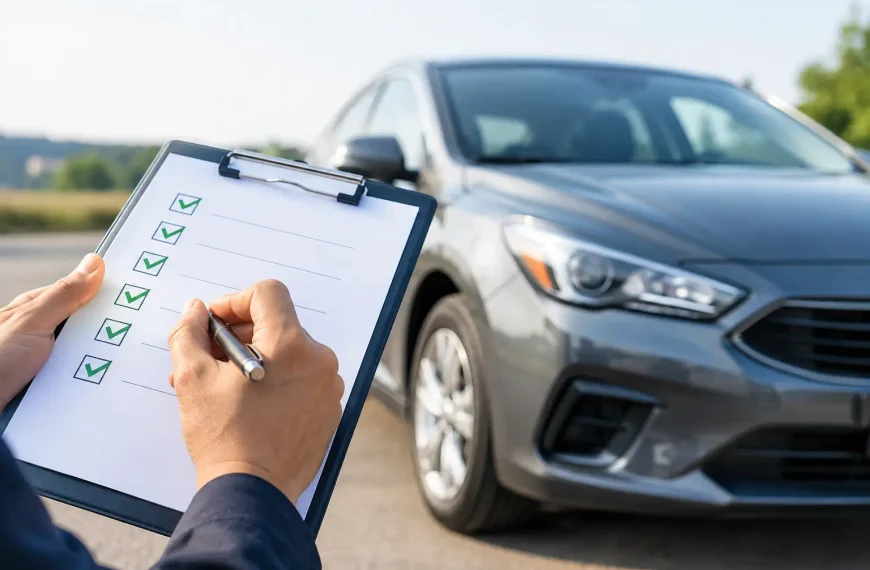
A driver education course should make your next step feel clearer, not add another scheduling problem. When comparing online BDE versus classroom training, the best choice comes down to how you learn, how busy your week is, and how much structure you need before getting behind the wheel.
For Ottawa learners, both options can build the knowledge needed for safer decisions and stronger road test preparation. The difference is not whether one format is automatically better. It is whether the format helps you stay engaged, complete the program properly, and carry what you learn into real driving situations.
What Online BDE Training Looks Like
Online BDE training puts the classroom portion of driver education on your schedule. Instead of attending lessons at a set place and time, you complete course modules digitally from home or wherever you can focus. Lessons typically cover traffic laws, space management, hazard awareness, decision-making, sharing the road, and the responsibilities that come with being a licensed driver.
For a student balancing high school, college, work shifts, family obligations, or a long commute across Ottawa, that flexibility can be a major advantage. You can make progress in smaller blocks of time rather than losing an entire evening to a classroom session. If you need to revisit a lesson on intersections, winter driving, or defensive driving habits, you can often review the material before moving forward.
Online learning also removes one common source of anxiety: having to keep pace with a room full of strangers. Some learners absorb information better when they can pause, take notes, and work through a topic without feeling rushed.
That said, an online course still requires commitment. Flexibility works best when you have a routine. If you regularly postpone modules because there is no class starting at 6:00 p.m., the course can take longer than expected. Students who choose online BDE should set aside consistent study time and treat it like an appointment.
What Classroom Driver Education Offers
Classroom driver education follows a fixed schedule with an instructor and other students learning together. This format can be helpful for people who learn best through live explanations, group discussion, and the accountability of showing up at a specific time.
A good instructor can explain why a rule matters, answer questions in the moment, and use real examples that make a lesson stick. If you are confused about right-of-way rules, school zones, or how to approach a difficult intersection, being able to ask immediately can feel reassuring.
The classroom setting also gives some new drivers a sense of momentum. You attend, participate, complete the lesson, and move on to the next stage. For learners who struggle to stay focused at home or who prefer a traditional school environment, that structure may be exactly what they need.
The trade-off is less flexibility. Missed classes may need to be made up, and fixed lesson times do not always work around sports, exams, work schedules, or family responsibilities. Travel time can also make an already busy week feel more crowded.
Online BDE Versus Classroom: The Key Differences
The course content and required outcomes matter more than the screen or the classroom chair. When comparing online BDE versus classroom instruction, look at how each format supports your learning style and your ability to finish the program consistently.
Online BDE is often the stronger choice if you are self-directed, comfortable using digital learning tools, and need a schedule that works around your life. It can be especially practical for university students, working adults, newcomers settling into a new routine, and families coordinating several commitments.
Classroom training may be better if you learn through conversation, need external structure, or feel more confident when an instructor is available in real time. It can also suit teens who benefit from a regular learning environment and clear weekly expectations.
Neither format replaces real driving experience. Reading about blind spots is useful. Checking them correctly before changing lanes, while managing traffic and speed, is a skill developed through practice. Your in-car lessons are where theory becomes judgment, awareness, and confidence.
The Part That Matters Most: In-Car Coaching
Whether you choose an online or classroom BDE format, your behind-the-wheel training deserves just as much attention. A road test does not measure how well you remembered a slide or completed a module. It measures whether you can drive safely, observe properly, make controlled decisions, and respond calmly to changing conditions.
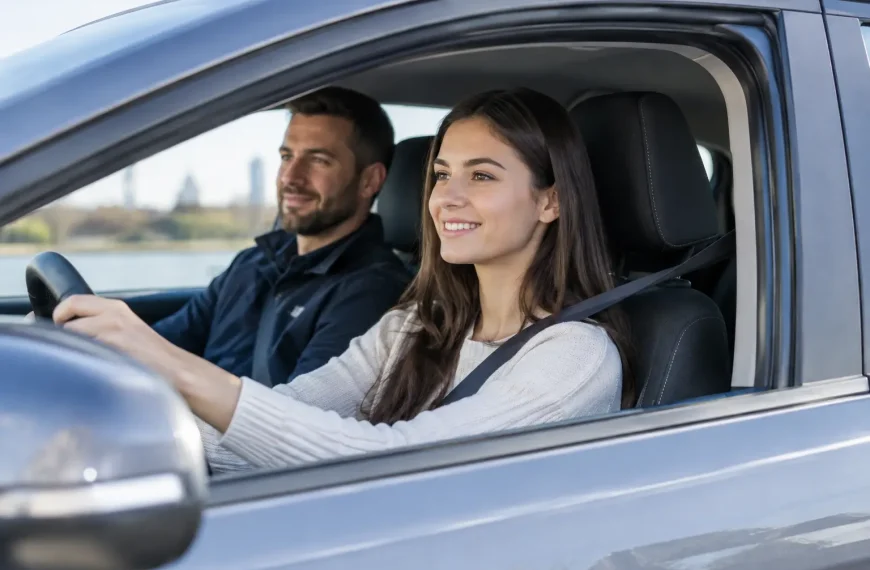
Patient one-on-one instruction helps connect classroom knowledge to Ottawa roads. You learn how to scan ahead, manage turns, build safe following distance, merge with purpose, and handle the situations that make many new drivers nervous. That may include busy intersections, residential streets, parking maneuvers, highway entrances, and the habits examiners expect to see on test day.
This is also where personalized coaching makes a difference. One student may need extra practice with parallel parking. Another may understand parking perfectly but need help with lane changes, observation, or controlling nerves at higher speeds. A standard course cannot always identify those gaps. A skilled driving instructor can.
At Autoz Driving School, the goal is not to rush students through a checklist. It is to help each learner build repeatable habits, prepare for local road conditions, and arrive at the G2 or G road test feeling prepared rather than hopeful.
Does Online BDE Help You Pass the Road Test?
Online BDE can absolutely support road test success when it is completed through an approved program and paired with serious in-car practice. It gives you the knowledge base to understand road rules and recognize risks before you face them on the street.
But passing on the first attempt is usually the result of preparation across several areas: knowing the rules, practicing consistently, receiving honest feedback, and becoming familiar with the test expectations. A learner who completes an online course but avoids challenging driving situations may still feel unprepared. A learner who combines online study with focused lessons and a realistic road test practice session is in a much stronger position.
If you are taking an approved BDE program in Ontario, completing all required components may also make you eligible for a reduced wait time before your G2 test. Confirm the specific requirements with your driving school, because certification depends on completing the full program, not simply finishing the online portion.
How to Choose the Right Format for You
Start by being honest about your schedule and habits. If you can reserve regular study time, stay accountable, and prefer working at your own pace, online BDE can be a convenient and effective option. Choose a quiet place to study, avoid trying to complete lessons while distracted, and give yourself time to absorb the material.
If you need a set routine to stay on track, enjoy asking questions face-to-face, or find independent online learning difficult, a classroom course may give you more support. There is no prize for choosing the format that sounds more convenient if you know you will not use it well.
Also consider your driving timeline. If your road test goal is coming up, ask how the course schedule, in-car lesson availability, and required completion dates fit together. Planning early gives you room to practice without cramming lessons into the final week before the test.
Price matters too, but value matters more. The least expensive option is not always the one that saves money if it leaves you underprepared and facing a retest. Look for transparent package details, qualified instruction, a clear process for booking lessons, and road test support when you need it.
Build Confidence in the Format That Works
The right driver education format is the one that helps you show up prepared when it counts. Choose online BDE if flexibility will help you stay consistent. Choose classroom learning if structure will help you stay engaged. Then give yourself the practical coaching and road time needed to turn knowledge into safe, confident driving.
A calm, well-planned approach now can make your first solo drive and your road test feel far less intimidating.