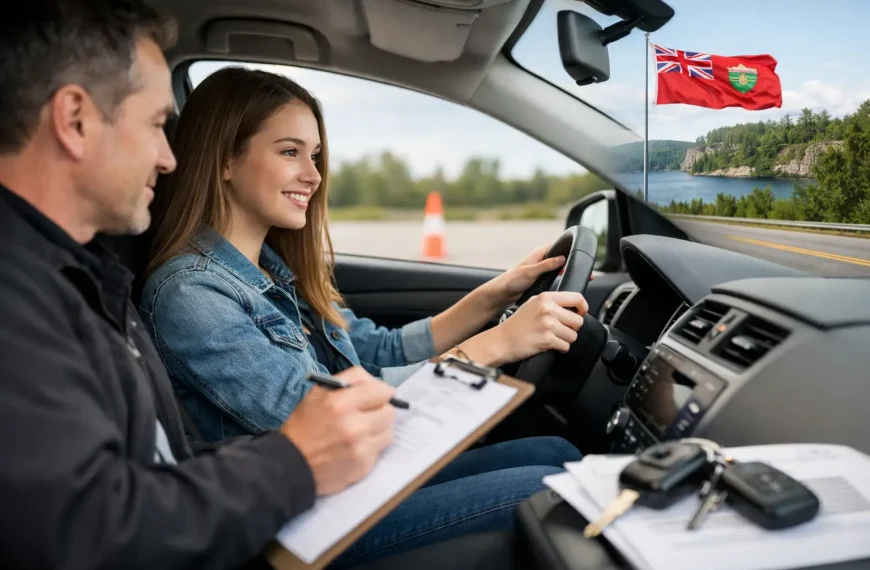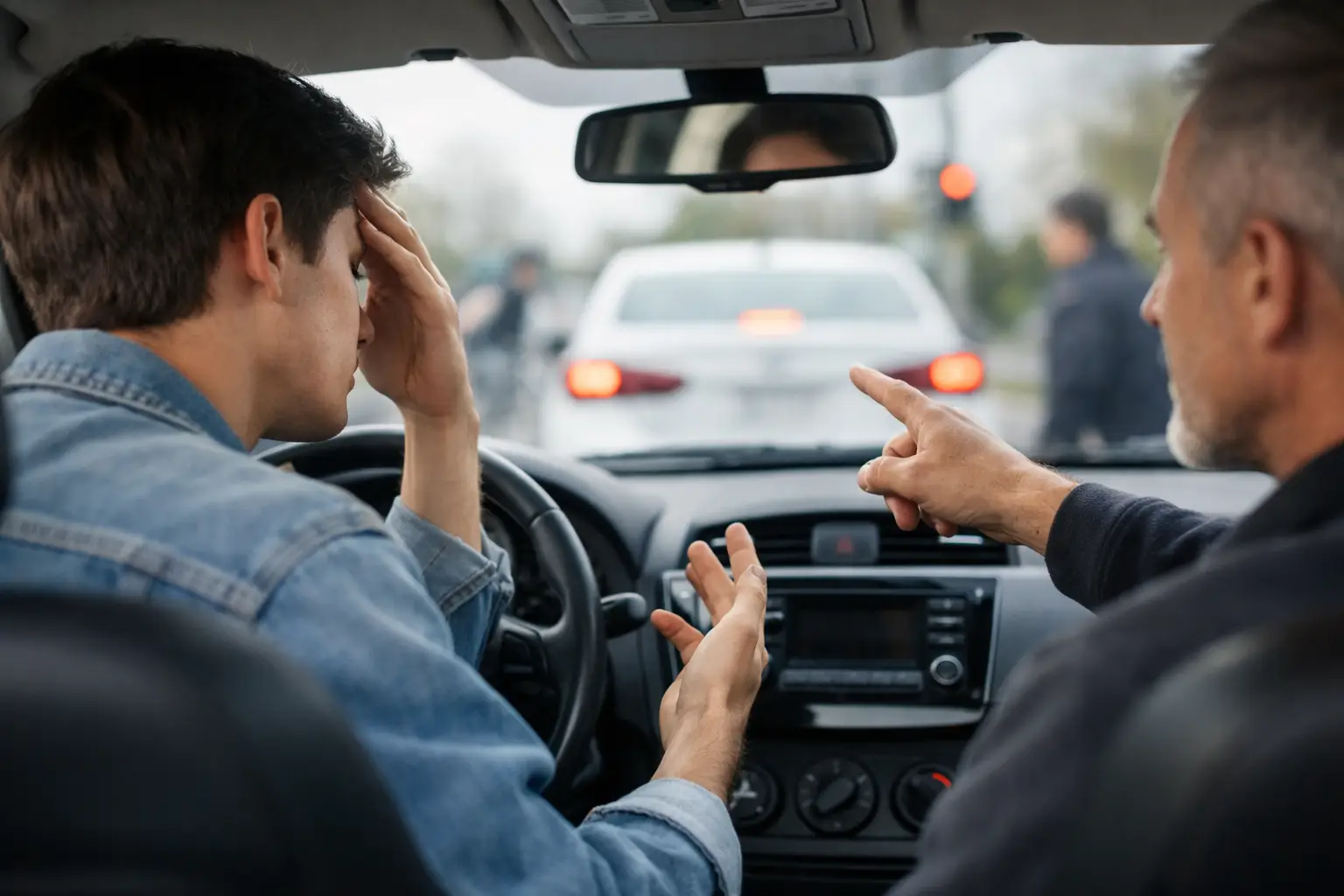
A road test can feel stressful because every move seems to matter at once. The good news is that the top beginner driving errors are usually not about being incapable of driving. They are small habits that can be corrected with focused practice, clear feedback, and a calm routine behind the wheel.
For new drivers, the goal is not to look perfect. It is to make safe, predictable decisions consistently. Whether you are preparing for a G2 test, a full G test, or simply building everyday confidence, these are the mistakes worth addressing early.
1. Looking Too Close to the Front of the Car
Many new drivers focus on the pavement directly in front of the hood. This makes it harder to notice traffic changes, upcoming lights, pedestrians, and lane conditions early enough to respond smoothly.
Train your eyes to look well ahead, then scan your mirrors regularly. Looking farther down the road gives you more time to ease off the gas, brake gradually, and plan your position. It also helps reduce the sudden steering and last-second braking that can make a driver appear unsure.
2. Skipping Mirror and Shoulder Checks
Checking mirrors is not just something to do before changing lanes. It is an active habit that helps you understand what is happening around your vehicle. New drivers sometimes check a mirror too quickly, forget a blind-spot check, or look without actually processing what they see.
Before turning, changing lanes, pulling away from the curb, or merging, use a clear routine: mirrors, signal, shoulder check, then move when it is safe. The order can vary slightly depending on the maneuver, but the key is to make each check deliberate. On a road test, an examiner needs to see that you are aware of vehicles, cyclists, and pedestrians around you.
3. Braking Too Late or Too Hard
Hard braking often starts with delayed observation. A light turns yellow, traffic begins slowing, or a stop sign approaches, but the driver waits too long to react. Then the brake pedal gets pressed suddenly, which can unsettle passengers and reduce control.
Start slowing early when conditions call for it. Leave enough following distance to brake gradually, especially in rain, snow, heavy traffic, or near school zones. A safe stop should feel controlled rather than rushed. That does not mean creeping toward every intersection. It means reading the road soon enough to make a confident decision.
4. Driving at an Unsteady Speed
Some beginners drive below the posted speed limit because they are nervous. Others focus so much on traffic that they accidentally drift above it. Both can create problems.
Driving too slowly without a reason may disrupt traffic flow, while speeding can cost test points and reduce your reaction time. Check your speedometer often, particularly after turns, downhill sections, and lane changes. Match your speed to the posted limit and road conditions. If visibility or traction is poor, a lower speed may be the safer choice.
5. Making Turns Too Wide or Too Tight
Turns reveal a lot about vehicle control. A wide right turn can put you too close to another lane, while turning too tightly can bring you near the curb. Left turns can also become risky when a driver cuts across lanes or turns without properly judging oncoming traffic.
Set up your turn before the intersection. Move into the correct lane early, signal in advance, reduce speed, and look through the turn toward where you want the car to go. Keep both hands ready to steer smoothly, then return the wheel without letting it slide uncontrollably through your hands. Practice turns in quieter areas before adding busy intersections and unfamiliar routes.
Top Beginner Driving Errors at Intersections
Intersections demand attention because several road users may be moving at the same time. New drivers commonly rush stop signs, hesitate too long at an open gap, or focus only on cars while missing a pedestrian or cyclist.
At a stop sign, come to a complete stop before the line or crosswalk. Look left, right, and left again, then check for anyone crossing before you proceed. At a green light, do not assume other drivers will stop. Scan the intersection before entering it.
Unprotected left turns require extra patience. Wait for a safe gap in oncoming traffic and make sure the path is clear. If the light changes while you are waiting legally in the intersection, complete the turn only when oncoming traffic has stopped and the crosswalk is clear. There is no benefit in forcing a turn that does not feel safe.
6. Following Other Vehicles Too Closely
Tailgating leaves almost no room for mistakes. If the vehicle ahead brakes suddenly, a beginner driver may panic, brake hard, or collide with it. Following too closely also blocks your view of the road ahead.
Use a minimum three-second following distance in normal, dry conditions. Choose a fixed object ahead, such as a sign or pole. When the vehicle in front passes it, count three seconds before your vehicle reaches the same point. Add more space at night, in poor weather, or behind larger vehicles that limit visibility.
7. Poor Lane Position and Late Lane Changes
Drivers preparing for a test often make last-minute lane changes because they notice a turn too late. That can lead to rushed checks, sharp steering, or crossing solid lines. In everyday driving, it can create the same risk.
Plan ahead by reading signs as soon as you can. If you miss your turn, continue safely and reroute later. Missing one turn is a minor inconvenience. Making an unsafe lane change to catch it can become a serious error.
Within your lane, aim to stay centered. Avoid hugging the curb, drifting toward the lane line, or staring at parked cars. Your visual focus should remain ahead, with regular mirror checks to maintain awareness.
8. Forgetting to Communicate With Other Road Users
Signals, brake lights, lane position, and steady speed all tell other people what you intend to do. Beginners sometimes signal too late, cancel a signal before completing a move, or forget to signal entirely when leaving a curb or entering traffic.
Signal early enough to give others useful information, but not so early that it becomes confusing. For example, signaling far before several driveways may make another driver think you are turning sooner than you are. Your instructor can help you learn the right timing on local Ottawa roads and common test routes.
9. Letting Nerves Control the Drive
Nervousness is normal, especially before a road test. The problem is not feeling nervous. The problem is allowing anxiety to create rushed decisions, stiff steering, forgotten checks, or a fear of taking appropriate gaps in traffic.
A simple pre-drive routine helps. Adjust your seat, mirrors, and steering wheel before moving. Take one slow breath, review your first steps, and focus only on the next safe decision. Do not replay a minor mistake while you are still driving. Reset your attention and keep going.
Private lessons can be especially useful for anxious drivers because they create a space to repeat the situations that feel difficult, whether that is parallel parking, merging, left turns, or highway driving. At Autoz Driving School, personalized coaching is built around turning those uncertain moments into repeatable skills.
10. Practicing Without a Clear Goal
More driving time helps, but only when you practice intentionally. Repeating the same comfortable route may build familiarity without improving the skills that need attention. A learner who avoids busy intersections, parking, or highway merges may feel ready until the road test demands those skills.
Give each practice drive a purpose. One session might focus on smooth stops and starts. Another might focus on lane changes, mirror routines, or parking. Afterward, identify one skill that improved and one that needs more work. This makes practice more efficient and prevents the same errors from becoming permanent habits.
Build Better Habits Before Test Day
The strongest drivers are not the ones who never make a small mistake. They are the ones who notice what is happening, stay calm, and make the safe choice without being rushed. Start with one error that shows up most often in your driving, practice it until the correct response feels natural, then move to the next. Confidence grows one controlled decision at a time.