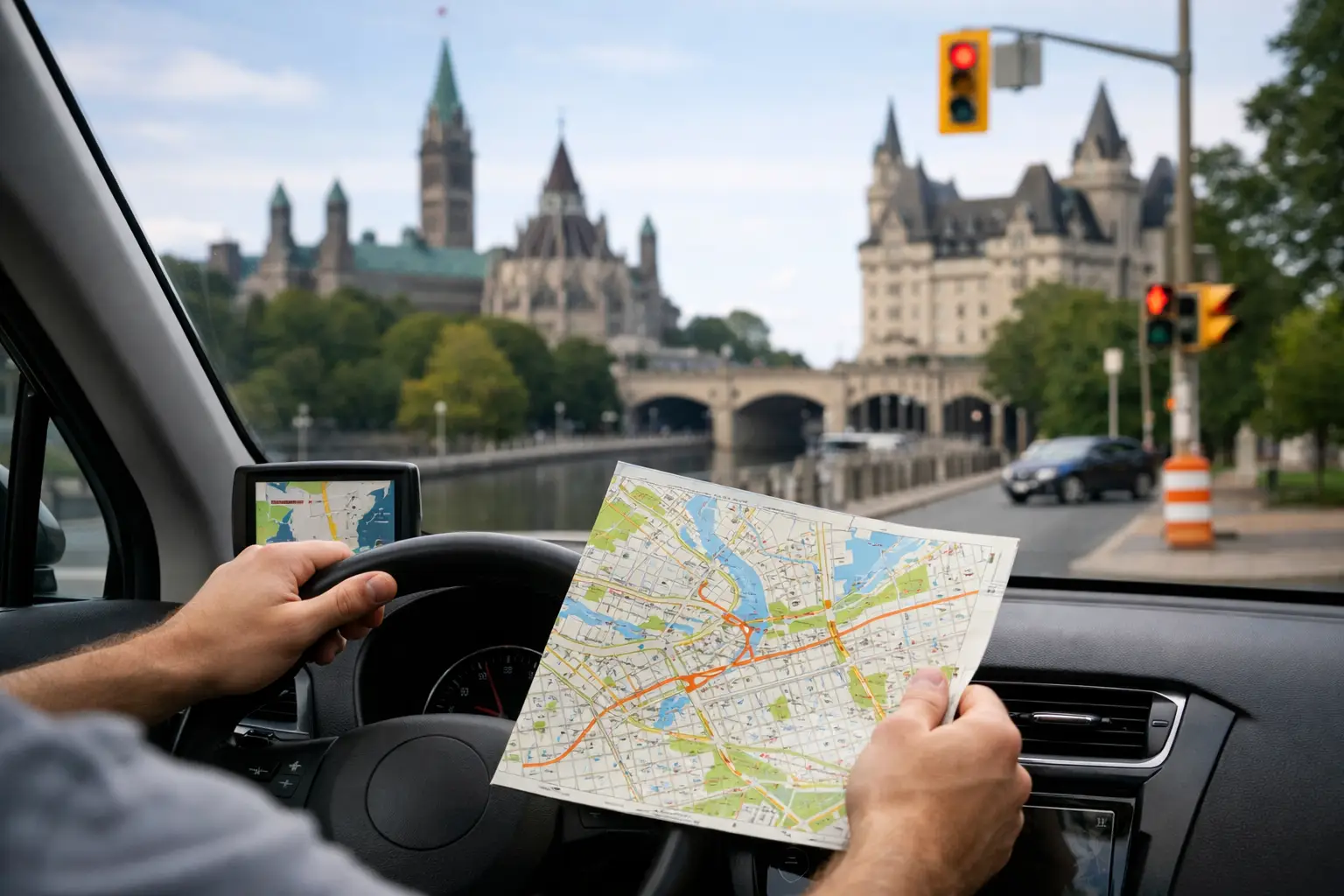
If you have been searching for ottawa driving test routes, you are probably not looking for a sightseeing map. You want to know where the pressure points are, what examiners actually watch, and how to practice in a way that helps you pass – not just drive around hoping for the best.
That is the right instinct. A road test is never about memorizing one exact path. It is about handling the kinds of roads, turns, lane changes, and decisions that commonly show up around a test center. When students focus only on a rumored route, they often miss the bigger issue: the test is really checking whether your habits stay safe and consistent under stress.
How Ottawa driving test routes really work
Most people imagine that road tests follow one fixed track. In reality, Ottawa driving test routes can vary. Examiners usually choose from a handful of nearby road patterns that let them assess the same core skills. That means the street names may change, but the purpose of each section stays similar.
You may be taken through quiet residential streets first so the examiner can watch your observation, speed control, stop sign routine, and right-of-way decisions. Then the route may shift to busier roads where lane discipline, traffic light judgment, and left turns become more important. Depending on the class of test, you may also face higher-speed driving, merging, and lane changes in heavier traffic.
This is why route familiarity helps, but only when it is used correctly. The goal is not to rehearse a script. The goal is to become comfortable with the patterns that local roads tend to create.
What examiners are judging on Ottawa driving test routes
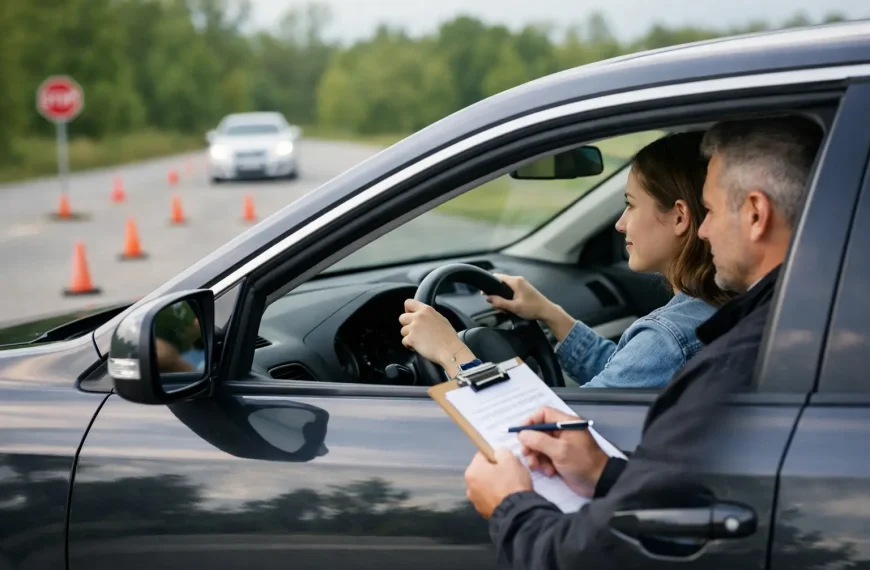
Examiners are not trying to trick you. They are checking whether you can drive safely, predictably, and independently. That sounds simple, but nerves tend to expose weak habits fast.
At stop signs, they want to see a real stop, not a slow roll. At intersections, they watch whether you scan properly before moving. During lane changes, they expect clear mirror checks, a signal at the right time, and a shoulder check before you move. On turns, they notice your speed, steering control, and whether you end up in the correct lane.
They are also paying attention to the things students underestimate. Are you maintaining steady speed, or drifting under and over the limit? Do you brake smoothly, or too late? Do you notice school zones, pedestrians, and parked cars that block visibility? A lot of test mistakes are not dramatic. They are small judgment errors that add up.
The sections that give students the most trouble
Some parts of Ottawa driving test routes create more anxiety than others. Left turns at busy intersections are a big one because they force you to manage timing, traffic gaps, steering, and lane positioning all at once. Students often rush these turns because they feel pressure from cars behind them.
Lane changes on faster roads are another common problem. A student may know the sequence in theory, but under test pressure they either forget the shoulder check or hesitate too long and miss the opportunity. Neither feels good in the moment.
Residential areas can look easier, but they catch many drivers off guard. Rolling stops, wide turns, missed speed signs, and weak observation near driveways are common there. The road feels calmer, so some students relax too much and lose precision.
For G-level candidates, merging and highway decision-making can become the deciding factor. Examiners want to see confidence, but not aggression. If you merge too slowly, that is a problem. If you force your way in without proper spacing, that is also a problem. It depends on traffic flow, which is why real coaching matters.
How to practice smarter, not longer
The best preparation for ottawa driving test routes is focused repetition. Spending ten hours driving randomly around the city is usually less effective than spending three hours working on the exact situations that challenge you.
Start by identifying your weak spots honestly. If left turns make you tense, practice left turns until your routine becomes automatic. If lane changes feel rushed, work on judging traffic gaps with an instructor or experienced supervisor. If parallel parking is shaky, do not avoid it and hope it will be skipped.
It also helps to practice near the test area at the same time of day as your appointment, if possible. Traffic patterns change. A road that feels easy at midday may become much harder during school pickup or commuter traffic. Familiarity with local timing, not just local streets, can make a real difference.
Short, structured sessions usually work better than marathon drives. When students get tired, their observation and judgment drop. You want practice that builds confidence, not practice that reinforces sloppy habits.
Why route familiarity still matters
There is a reason students ask about local routes so often. Familiar roads lower mental load. If you already know where the sharper turns are, where speed limits tend to change, and which intersections require extra patience, you have more attention available for safe driving decisions.
That said, route familiarity has limits. If a student becomes too attached to one version of a route, any small change can create panic. An examiner may choose a different street, add an extra turn, or adjust the sequence based on traffic. Drivers who only memorized a pattern often struggle when that happens.
A better approach is to learn the area in categories. Know the residential sections where observation matters most. Know the busier roads where lane choice matters early. Know the spots where school zones, pedestrians, or complex intersections tend to increase pressure. That kind of preparation is flexible.
The value of practicing with a local instructor
A local instructor does more than point out streets. Good instruction helps you understand why certain parts of Ottawa driving test routes are challenging and how to handle them calmly.
This matters even more if you are a nervous driver, a newcomer, or someone retaking the test. Often the issue is not basic knowledge. It is timing, confidence, and consistency. A patient coach can spot habits you no longer notice, like braking too late, turning too slowly, or checking mirrors without really processing what is around you.
At Autoz Driving School, that local experience is a big part of what helps students improve faster. The goal is not to overload you with information. It is to give you targeted practice, clear feedback, and a realistic sense of what test day will feel like.
What to do the week before your test
The final week should be about sharpening, not cramming. If you are still making major errors the day before your road test, the solution is not panic driving for five straight hours.
Use that week to tighten your routines. Practice smooth stops, clean lane changes, proper scanning at intersections, and speed control. If parking is part of your test level, make sure you can do it without needing a pep talk before every attempt.
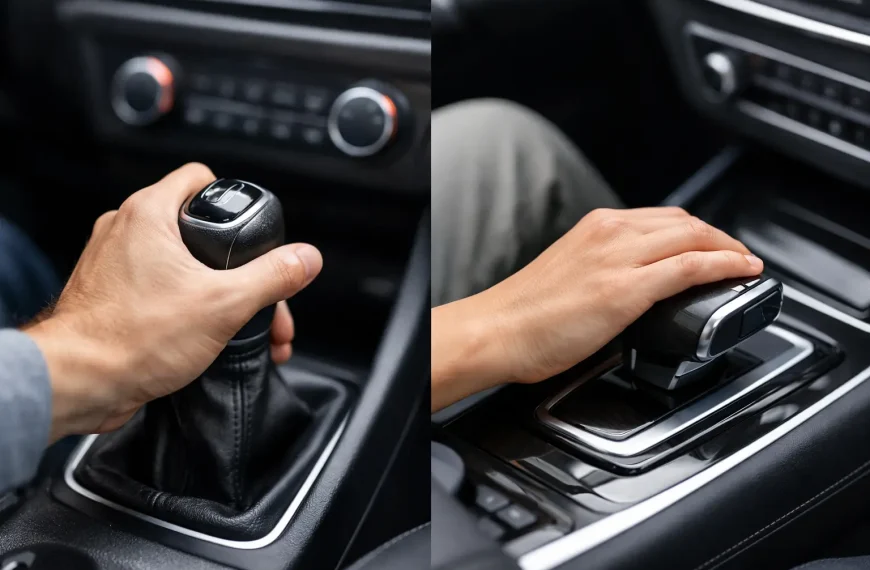
You should also make sure the non-driving details are handled. Know your test time, your documents, and the vehicle you are using. If the car has an unusual feature layout and you are not used to it, that can add stress you do not need. A calm start helps more than people think.
The night before, rest matters. Tired drivers miss signs, react late, and second-guess simple decisions. You do not need to feel perfect. You need to feel settled.
What to expect on test day
On test day, aim to arrive early enough that you are not rushed. A few minutes to breathe and reset can steady your focus. Once the test starts, keep your attention on one decision at a time. Students often get into trouble when they replay a small mistake in their heads and stop driving the current moment.
If traffic is busy, stay patient. If the examiner gives a direction late, do not make a dangerous move to follow it. Missing a turn is usually better than forcing one. Safe judgment counts for more than blind obedience.
Most of all, remember what the examiner wants to see: a driver who notices hazards, follows the rules, and makes calm choices. That standard is achievable. It does not require perfection. It requires preparation that matches real driving, not wishful thinking.
The best way to approach Ottawa road testing is simple: learn the local patterns, fix your weak habits, and practice until safe driving feels repeatable. When that happens, the route matters less – and your confidence starts to feel real.