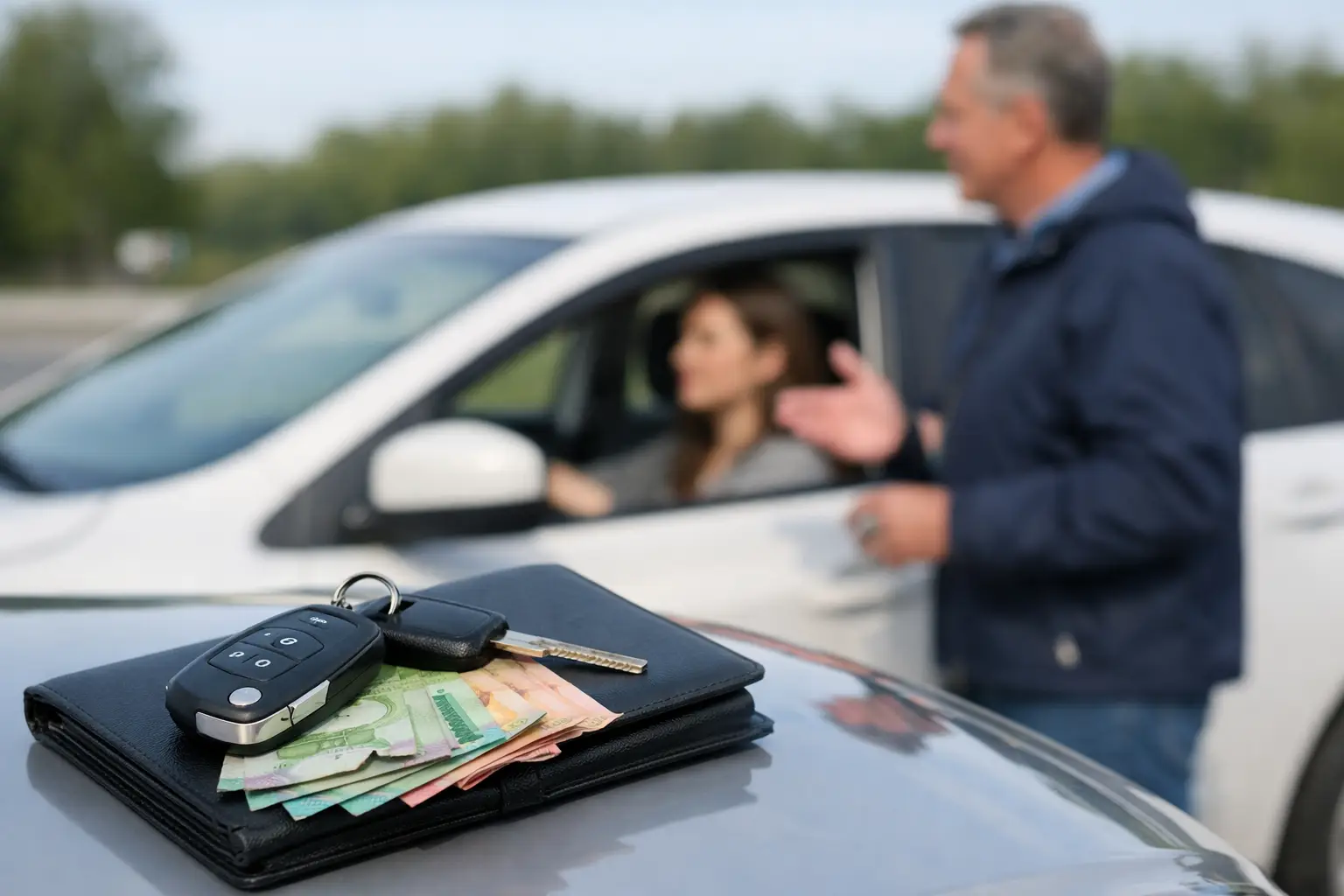
Sticker shock usually hits before the engine even starts. If you’re asking how much do driving lessons cost in Ontario, the short answer is that prices can range from about $50 to $90 per hour for private in-car lessons, while full beginner packages often land between $600 and $1,200 depending on what is included.
That range is wide for a reason. Not every student needs the same amount of training, and not every driving school offers the same level of support. Some programs are built for first-time drivers who want a complete path to their G2, while others are designed for road test retakers, nervous drivers, or adults who only need a few focused refresher sessions.
How much do driving lessons cost in Ontario on average?
In most Ontario cities, private driving lessons are priced by the hour or sold as part of a package. A single lesson often costs less upfront, but packages usually bring the per-hour rate down and include useful extras like pickup and drop-off, progress tracking, or road test preparation.
If you are comparing prices, you will usually see three common options. Individual in-car lessons often cost around $50 to $90 per hour. Beginner driver education packages, which combine online or classroom theory with in-car training, often cost between $700 and $1,200. Road test packages, including a warm-up lesson and use of the instructor’s car, can add another $150 to $300 depending on location and timing.
Ottawa pricing often falls in the middle of that range, although local demand, scheduling flexibility, and vehicle type can push rates up. A school that offers newer vehicles, one-on-one coaching, and test-route familiarity may not be the cheapest option, but it can be better value if it helps you pass sooner and avoid repeat test fees.
What affects the cost of driving lessons?
The biggest factor is the type of training you need. A complete beginner usually needs more structure than someone who already drives comfortably and just wants to polish parallel parking, lane changes, or highway merging before the road test.
Lesson length also matters. Some schools offer 60-minute sessions, while others focus on 90-minute or 2-hour blocks. Longer sessions can be more productive because you spend less time settling in and more time practicing, but they can feel intense for anxious learners. It depends on your confidence level and attention span.
Location plays a role too. In larger urban areas, rates may be slightly higher because of demand, traffic, instructor availability, and operating costs. On the other hand, busy city driving can give you more real-world practice in a shorter time, which has its own value.
Then there is the quality of instruction. A patient, experienced instructor who knows the local test routes and common mistakes can save you money in the long run. Lower-priced lessons are not always a bargain if they leave you underprepared, frustrated, or paying for extra sessions later.
Package lessons vs hourly lessons
For many students, this is the real pricing question. Hourly lessons seem simple because you only pay for what you book, but the total can add up quickly if you do not have a clear plan.
Packages work better for students who want structure. They often combine the required elements for beginner driver education with practical road training, and they can create a more consistent learning experience. If your goal is to move efficiently toward your G2 or G road test, a package often gives you better value than booking random one-off sessions.
That said, hourly lessons make sense for some drivers. If you already have experience, recently moved to Ontario, or failed a road test by a small margin, you may only need a few targeted sessions. In that case, paying for a full package may not be necessary.
A good school should be honest about that. The right recommendation is not always the biggest package. It is the training that matches your current skill level and your actual goal.
What is usually included in the price?
This is where pricing can look similar on the surface but feel very different once you book. One school may advertise a lower package price, but that package might not include road test car rental, pickup and drop-off, online course access, or enough in-car practice.
A standard beginner package often includes a digital or classroom BDE course, a set number of in-car hours, and a certificate once requirements are completed. Some schools also include progress updates, flexible scheduling, or one-on-one coaching tailored to your weak spots.
Road test support is often priced separately. That may include a pre-test warm-up lesson, use of the instructor’s car for the exam, and guidance at the test center. For many students, that support is worth paying for because it reduces stress and makes test day more predictable.
Is the cheapest driving school the best deal?
Usually not. Price matters, but so does what you get for it.
A cheaper lesson can cost more if it is rushed, inconsistent, or taught by someone who does not adjust to your learning style. New drivers and nervous students especially benefit from calm, clear instruction. If you spend each lesson confused or overwhelmed, you are not saving money. You are delaying progress.
The better question is whether the school helps you improve quickly and safely. Good instruction should build confidence, correct mistakes early, and prepare you for the actual road test environment. That is what makes the investment worthwhile.
How many lessons do most students need?
There is no one number that fits everyone. Some students with regular family practice only need a few professional sessions to tighten up their skills. Others need a full beginner program plus extra hours to feel test-ready.
A first-time teen driver may need a complete package with consistent in-car coaching. An adult learner who feels anxious might need more repetition and a slower pace. A newcomer with driving experience from another country may only need lessons focused on Ontario rules, lane discipline, and local test expectations.
This is why fixed price comparisons can be misleading. Two students may each pay a different total, and both can still get good value if the training is matched to their needs.
How to compare driving lesson prices the smart way
When you compare schools, look beyond the headline rate. Ask how many in-car hours are included, whether the lessons are private, whether the instructor knows the local test routes, and whether road test support is available.
You should also check scheduling. A lower price does not help much if you cannot get lesson times that fit your work, school, or test date. Flexibility matters, especially if you are trying to prepare quickly.
Vehicle quality can matter as well. Learning in a clean, modern, easy-to-handle car can make lessons feel less stressful. Some students also prefer schools that offer newer technology or specific vehicle types because it helps them feel more comfortable behind the wheel.
If you are in Ottawa, working with a school like Autoz Driving School can make the process feel more straightforward because the focus is not just on logging hours. It is on building confidence, practicing with purpose, and getting ready for the test with local insight.
When paying more actually saves money
This is the trade-off many learners miss. A stronger lesson program can cost more upfront, but it may reduce the chances of failing your road test, rebooking, and paying for extra practice later.
Failing a test is expensive in more ways than one. There is the test fee, the cost of additional lessons, and the lost time and confidence that come with starting over. If better instruction helps you pass on the first try, the higher initial price often turns out to be the lower total cost.
That is especially true for nervous drivers and test retakers. Personalized coaching, local route practice, and patient feedback can make a major difference in how quickly you improve.
So, what should you expect to pay?
For most learners in Ontario, a reasonable budget is around $50 to $90 per hour for private lessons, $700 to $1,200 for a full beginner package, and $150 to $300 for road test support if needed. Some students will spend less. Others will spend more because they need extra practice or want premium scheduling and added convenience.
The right price is not just the lowest number. It is the amount that gets you properly prepared without wasting time, money, or confidence on lessons that do not move you forward.
If you are choosing a driving school, look for transparent pricing, patient instruction, and a clear plan based on your goals. The best lessons should leave you feeling calmer, more capable, and closer to passing every time you get in the car.
A good driving lesson is not just a cost on paper. It is a faster path to confidence, safety, and real independence on the road.