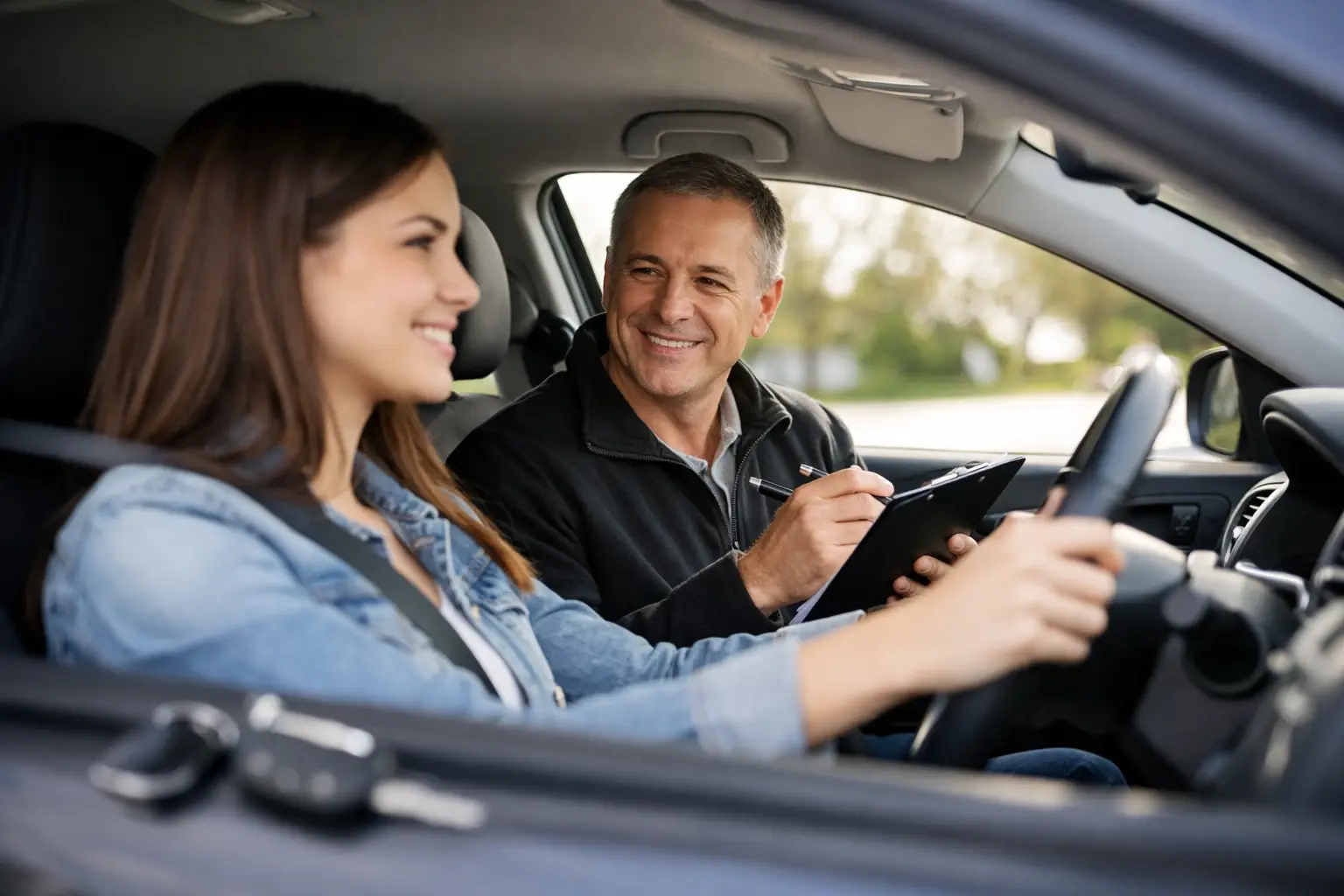
A road test can feel high-stakes when you are unsure what an examiner will see from the passenger seat. The right guide to private driving lessons starts with a simpler goal: build safe, repeatable habits until driving feels controlled, not overwhelming. Whether you are preparing for your G2, upgrading to a full G license, returning to driving after a long break, or taking a test again, private instruction gives you focused time behind the wheel with a clear plan.
Private lessons are not just about getting more practice. They are about practicing the right skills, correcting mistakes before they become habits, and learning how to make sound decisions in real Ottawa traffic.
What Private Driving Lessons Should Include
A quality private lesson is one-on-one, but it should never be random. Your instructor should assess where you are now, explain what needs work, and choose routes and exercises that match your current ability. A first-time driver may need help with steering control, smooth braking, lane position, and scanning intersections. A more experienced driver may need targeted support with highway merging, parallel parking, left turns, or test-day decision-making.
The best lessons balance coaching with actual driving time. You should receive calm, specific feedback while you drive, then have a chance to apply it right away. Hearing “watch your speed” is less helpful than learning why your speed changed, where to check it, and how to adjust safely before the next situation.
For road test preparation, lessons should also reflect the conditions you will face. Local route familiarity matters because Ottawa roads can include busy multi-lane intersections, school zones, residential streets, construction changes, and highway ramps. Knowing common test areas is useful, but memorizing a route is not the goal. You need skills that hold up when traffic, weather, or an unexpected instruction changes the plan.
Who Benefits Most From One-on-One Instruction?
Private driving lessons work well for many learners because each session can move at an appropriate pace. They are especially valuable if you feel nervous in traffic, have limited access to a family vehicle, or learn better with direct feedback than with general advice.
Teen drivers often benefit from structure and consistency. Driving with family can be helpful, but different people may give different instructions or overlook small habits that can affect safety and a road test. An experienced instructor provides a consistent standard and helps new drivers understand what safe driving looks like beyond simply operating the car.
Newcomers may already have driving experience but need to adjust to Ontario rules, local traffic patterns, winter conditions, and G2 or G test expectations. Adult learners who have delayed driving may need a patient environment where questions are welcome and progress is not rushed. Test retakers usually need an honest review of what happened last time, followed by practice focused on the actual reason they did not pass.
There is no single “right” number of lessons. It depends on your current experience, comfort level, practice outside lessons, and target test. Someone who drives regularly may only need a road test refresher. Someone starting from scratch will need more guided practice before they are ready for independent driving.
How to Choose the Right Instructor
The instructor matters as much as the lesson package. Look for someone who communicates clearly, stays patient under pressure, and can explain the reason behind each correction. A good instructor does not simply take over when you hesitate. They help you recognize the situation, make a safe choice, and learn from it.
Ask how lessons are personalized. You should know whether the school provides an initial assessment, how progress is tracked, and whether sessions can focus on your specific concerns. If parallel parking makes you anxious, for example, you need more than a quick demonstration. You need a repeatable method, several practice attempts, and feedback on where your reference points or vehicle control are breaking down.
Scheduling is another practical consideration. Regular sessions usually help skills build faster than long gaps between lessons. Still, flexible scheduling matters for students, shift workers, parents, and busy professionals. Choose a school that can help you create a realistic schedule rather than selling lessons you cannot consistently use.
Finally, understand the pricing before you book. Transparent packages should explain what is included: lesson duration, in-car instruction, pickup options if available, road test preparation, and vehicle rental for the test. The lowest hourly price is not always the best value if the instruction lacks structure or leaves you needing more sessions than expected.
A Practical Plan for Your Lessons
Your first lesson should establish a starting point. Expect your instructor to observe basics such as seating position, mirror setup, braking, acceleration, steering, observations, and how you approach intersections. This is not a test you need to “pass.” It is a way to create the right training plan.
From there, your lessons should progress from lower-pressure skills to more demanding situations. Early sessions may focus on residential driving and fundamental control. As confidence grows, training can include busier roads, lane changes, complex intersections, highway driving, and the maneuvers required for your license level.
A productive lesson has a clear focus. You might spend one session improving smooth right and left turns, then use the next to practice lane changes and speed management. As your road test gets closer, sessions should combine skills in realistic driving conditions rather than treating each maneuver as an isolated task.
Between lessons, practice is where improvement becomes durable. If you have access to a qualified supervising driver and a suitable vehicle, repeat the skills covered in your session while the feedback is still fresh. Keep it simple: practice the same observation routine at intersections, the same parking setup, or the same merge process. Repetition builds confidence when it is done correctly.
Preparing for the G2 or Full G Road Test
Road test preparation is about more than knowing the checklist. Examiners are watching how you observe, communicate through your actions, manage space, follow signs, and respond to changing traffic. A driver can complete a parking maneuver but still lose marks if they do not check mirrors, signal properly, or control the vehicle smoothly.
For a G2 test, focus on core city-driving skills: intersections, turns, lane changes, parking, speed control, and consistent observations. For the full G test, highway skills take a larger role. You need to show confident merging, lane discipline, proper following distance, safe exits, and calm decisions at highway speed.
A final practice drive before your test should identify any remaining weak points without creating panic. It is normal to make small errors while learning. What matters is whether you can recognize them, recover safely, and avoid repeating them. A patient instructor will be honest about readiness while giving you practical steps to improve.
If you plan to rent a school vehicle for the road test, practice in that vehicle beforehand when possible. Familiarity with the mirrors, brake response, steering feel, and controls removes one more variable on test day. Autoz Driving School offers this kind of focused support for Ottawa learners who want private instruction, test preparation, and road test vehicle options in one straightforward plan.
Common Mistakes That Slow Progress
The biggest mistake is waiting until a few days before the test to begin focused practice. Last-minute lessons can polish a skill, but they cannot reliably replace steady experience. Start early enough to practice, reflect, and return to the same skill without pressure.
Another common issue is driving on autopilot. Learners may know how to operate the vehicle but forget the observation routine that proves they are aware of their surroundings. Mirrors, blind spots, signs, pedestrians, cyclists, and changing speeds all require active attention. Your instructor should help make these checks natural rather than exaggerated for the test.
Some drivers also focus too much on one maneuver, usually parallel parking, and neglect the rest of the drive. Parking matters, but strong overall driving comes from safe positioning, appropriate speed, controlled turns, and good judgment. The road test is a full drive, not a parking challenge.
Make Each Lesson Count
Arrive ready to ask questions. Tell your instructor what made you uncomfortable during your last practice drive, whether it was a busy roundabout, a tight parking space, highway traffic, or uncertainty about right-of-way. The more specific you are, the more useful the lesson can be.
Confidence does not come from being told you are ready. It comes from seeing yourself handle the same situations safely, calmly, and consistently. Give yourself enough time to learn, practice with purpose, and let each lesson move you one step closer to driving independently.