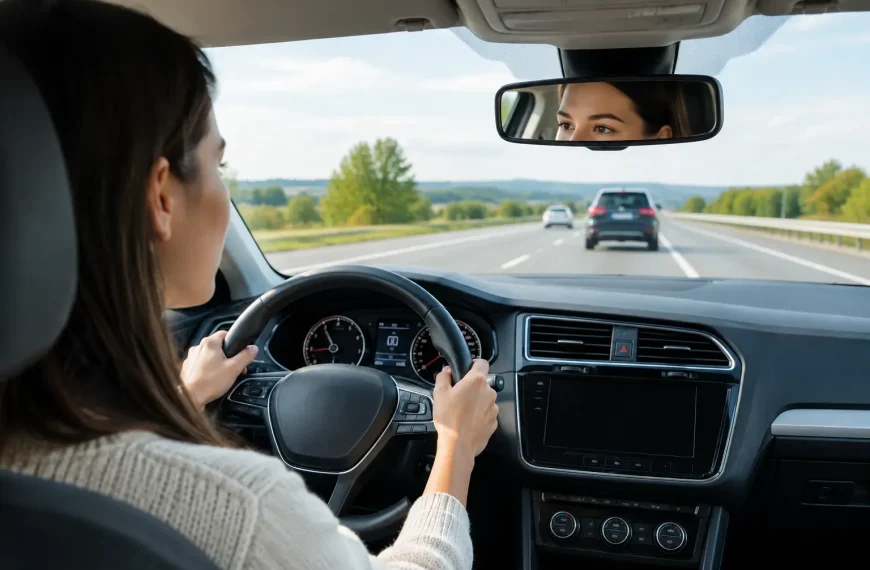
The car you bring to a road test can affect how calm, prepared, and in control you feel before you even leave the parking lot. The best cars for road test day are not necessarily the fastest, newest, or most expensive. They are the cars that help you see clearly, steer smoothly, park confidently, and focus on the examiner’s instructions instead of fighting unfamiliar controls.
For Ottawa G2 and G test candidates, a reliable, easy-to-drive vehicle can remove a major source of stress. Your goal is to demonstrate safe driving habits, not to impress anyone with the vehicle. A practical car with good visibility and predictable handling gives you more attention for mirror checks, speed control, lane changes, parking, and observation.
What Makes a Car Good for a Road Test?
A road test vehicle should make basic driving tasks feel natural. You need a responsive brake pedal, smooth steering, clear mirrors, working signals, and a driving position that lets you see the road without strain. If you are testing in a vehicle you have never driven before, even a good car can become a distraction.
The strongest choice is usually a vehicle you have practiced in repeatedly. You should know where the defroster, hazard lights, windshield wipers, lights, parking brake, and fuel door controls are located. You should also be comfortable judging the car’s size when making turns, reversing, parallel parking, and stopping at intersections.
Automatic vehicles are often the preferred option for new drivers because they let you concentrate on traffic conditions and road test procedures. A manual transmission is completely possible if you are skilled with it, but it adds another task at moments when you need full attention on observation and control. If clutch work is not second nature, an automatic is usually the lower-stress decision.
Visibility Comes First
Good visibility is one of the most valuable features in a test car. A car with large windows, well-positioned mirrors, and a clear rear view helps you complete shoulder checks properly and notice pedestrians, cyclists, parked vehicles, and traffic approaching from behind.
Compact sedans, hatchbacks, and small SUVs are often easier for learners because they offer a comfortable balance of road visibility and manageable size. Very large trucks and SUVs can be harder to position in a lane or judge while parking, especially if you have limited experience in them. That does not mean they cannot be used, but they demand more familiarity.
A clean windshield and functioning front and rear defrosters matter too. Ottawa weather can change quickly, and fogged windows, snow buildup, or poor wiper performance can create a safety problem before your test begins. Make sure all glass is clean inside and out, with no cracks that significantly interfere with your view.
Smooth, Predictable Controls Build Confidence
A road test is not the right time to adapt to touchy brakes, loose steering, a stiff accelerator, or a vehicle that pulls to one side. The best test cars respond consistently, allowing you to make controlled stops and gentle turns without overcorrecting.
Before test day, practice stopping at different speeds. Learn how much pressure the brakes need for a smooth stop rather than a sudden jerk. Practice turns at residential intersections, lane changes on larger roads, and parking maneuvers in the exact vehicle you plan to use. Familiarity turns many small worries into routine actions.
Modern safety features can be helpful, but they do not replace your driving skills. A backup camera may support your awareness while reversing, but you still need to look around, check mirrors, and complete shoulder checks as required. Driver-assistance technology is a backup, not a substitute for active observation and safe decision-making.
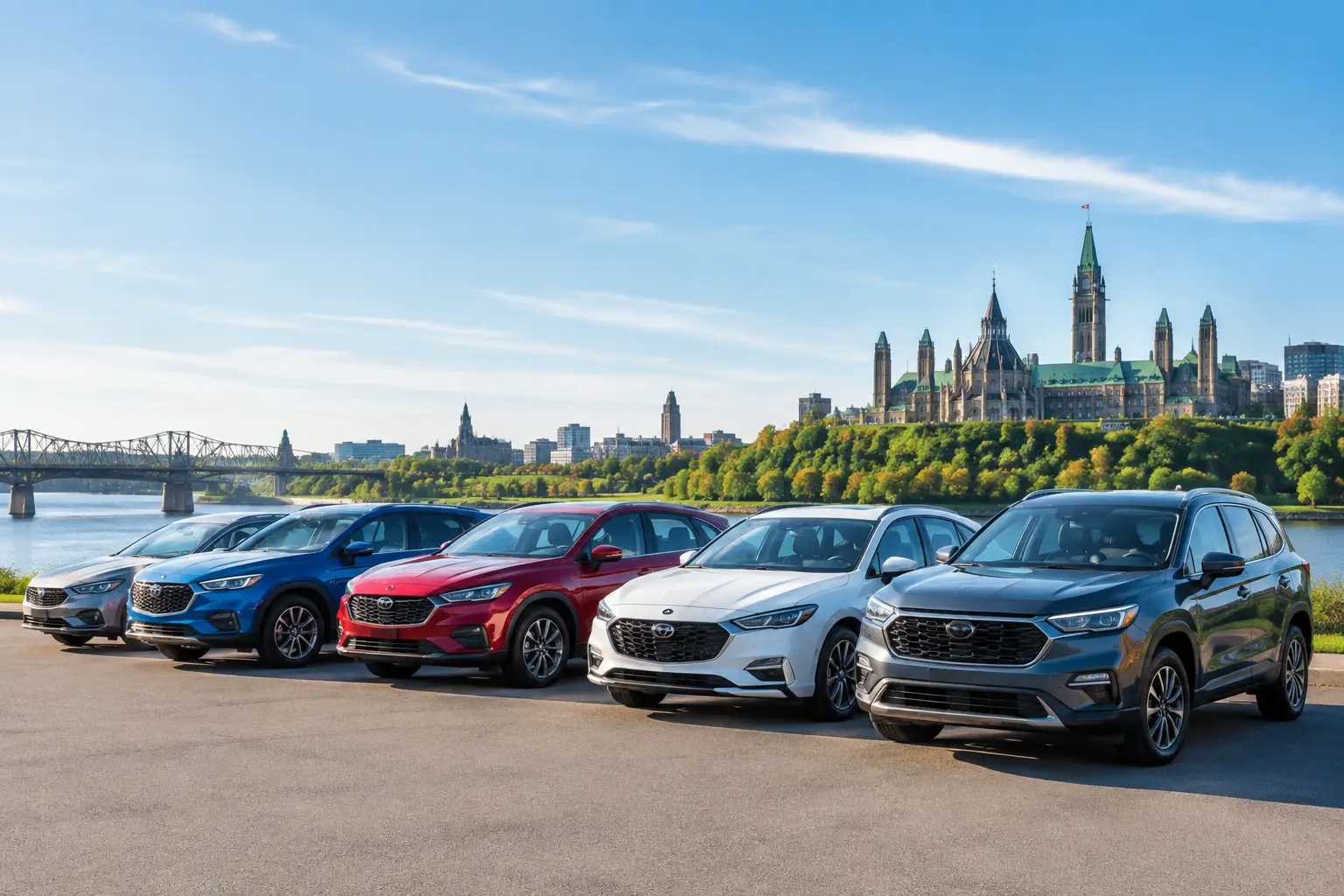
7 Best Cars for Road Test Situations
There is no single perfect model for every driver. However, the following types of vehicles are commonly strong choices because they are practical, stable, and easy to learn in.
- Compact sedans are a dependable option for most G2 candidates. Their smaller size makes them easier to park, while their trunk and rear window layout are familiar to many new drivers.
- Small hatchbacks offer excellent maneuverability and a shorter rear end, which can make reverse parking and parallel parking feel more approachable. Make sure you are comfortable with rear visibility, since hatchback designs vary.
- Midsize sedans work well for drivers who want a more settled ride on higher-speed roads. They can be slightly longer than compact cars, so practice parking and turning before test day.
- Small SUVs can be a good choice if you are already used to their higher seating position. They often provide a clear forward view, but you need to account for a wider body and larger blind spots.
- Reliable driving school vehicles are designed for learning. They are maintained, insured for instruction, and familiar to instructors who can help you prepare around the vehicle’s handling and controls.
- A family car you drive regularly can be ideal if it is safe, properly maintained, and available for enough practice. Repetition in the same car is usually more valuable than switching to a different model at the last minute.
- An electric vehicle you have trained in can be a comfortable option, including a Tesla. EVs often have smooth acceleration and quiet operation, but the controls, regenerative braking, screen settings, and vehicle dimensions must feel familiar well before your test.
The common theme is not the brand badge. It is your level of comfort and control. A modest sedan you know well is a better test car than a luxury SUV that feels unfamiliar.
Cars to Think Twice About Using
Some vehicles create avoidable pressure on road test day. A car with a warning light, damaged tire, broken signal, cracked windshield, or unreliable brakes may not be suitable for the test. Test examiners can refuse a vehicle that does not meet required safety standards, which could cost you a test appointment and create more delay.
Avoid borrowing a vehicle at the last minute unless you have enough time to practice. Every car has a different turning radius, brake feel, mirror position, blind spot location, and dashboard layout. Those small differences are manageable when you are relaxed, but they can be distracting when nerves are high.
Oversized vehicles, low sports cars, and vehicles with heavily tinted windows can also bring extra challenges. Again, the issue is not that these vehicles are automatically bad. It depends on your experience, the vehicle’s condition, and whether it allows safe visibility and control. The most practical vehicle is often the one that keeps your attention on the road instead of the car itself.
Your Road Test Vehicle Checklist
Before leaving for the test center, take a few minutes to confirm the vehicle is ready. Check these items the day before if possible:
- The fuel or battery charge is sufficient for driving to the test, completing the route, and returning without stress.
- Headlights, brake lights, turn signals, horn, windshield wipers, and defrosters work properly.
- Tires appear properly inflated and have safe tread, with no obvious damage.
- The windshield, mirrors, backup camera, and rear window are clean and clear.
- Your documents are ready, including the required license, appointment details, and any vehicle paperwork required for your situation.
Arrive early enough to settle in. Adjust the seat, mirrors, steering wheel, climate controls, and navigation settings before the examiner approaches the vehicle. Put your phone away. If you use a vehicle with a large touchscreen, make sure you know how to access essential functions without searching through menus.
Why a Road Test Rental Can Be a Smart Choice
Not every learner has access to a suitable family vehicle. Others may have a car available but feel more confident testing in the vehicle they trained in. A road test rental can solve both problems when it includes a familiar, well-maintained car and a short warm-up lesson before the test.
At Autoz Driving School, students can practice and take their road test in a training vehicle they already know. That consistency matters. Instead of spending your final minutes adjusting to a different brake pedal or mirror setup, you can focus on the habits that help you pass: full stops, clear observations, safe speed choices, smooth lane changes, and confident parking.
The best preparation combines the right vehicle with focused practice. A patient instructor can help you identify whether the car you plan to use fits your skill level, then prepare you for the local roads, common maneuvers, and decisions you will face on test day.
Choose a car that feels calm, familiar, and dependable, then give yourself enough practice to make every control feel routine. When the vehicle supports your driving instead of adding pressure, you have more room to show the safe, confident driver you have worked hard to become.